

Money talks dominated Monday night’s Athens City Council meeting, with discussion ranging from the pros and cons of accepting an abandoned property to income from artsy events in Athens County.
Randy Cohen, vice president of research and policy at Americans for the Arts, presented results of a survey conducted in Athens County in 2011 that showed the economic impact of art events.
The survey indicates that 739 full-time equivalent jobs are supported in Athens County by art organizations and that these organizations generate $2.2 million of local and state government revenue.
“Arts are food for the soul, but arts also put food on the table,” Cohen said.
These events not only provide economic stability for Athens, but they also draw patrons from out of the area, according to the survey.
People spend money on food, lodging, transportation and souvenirs, which brings money in from outside the county.
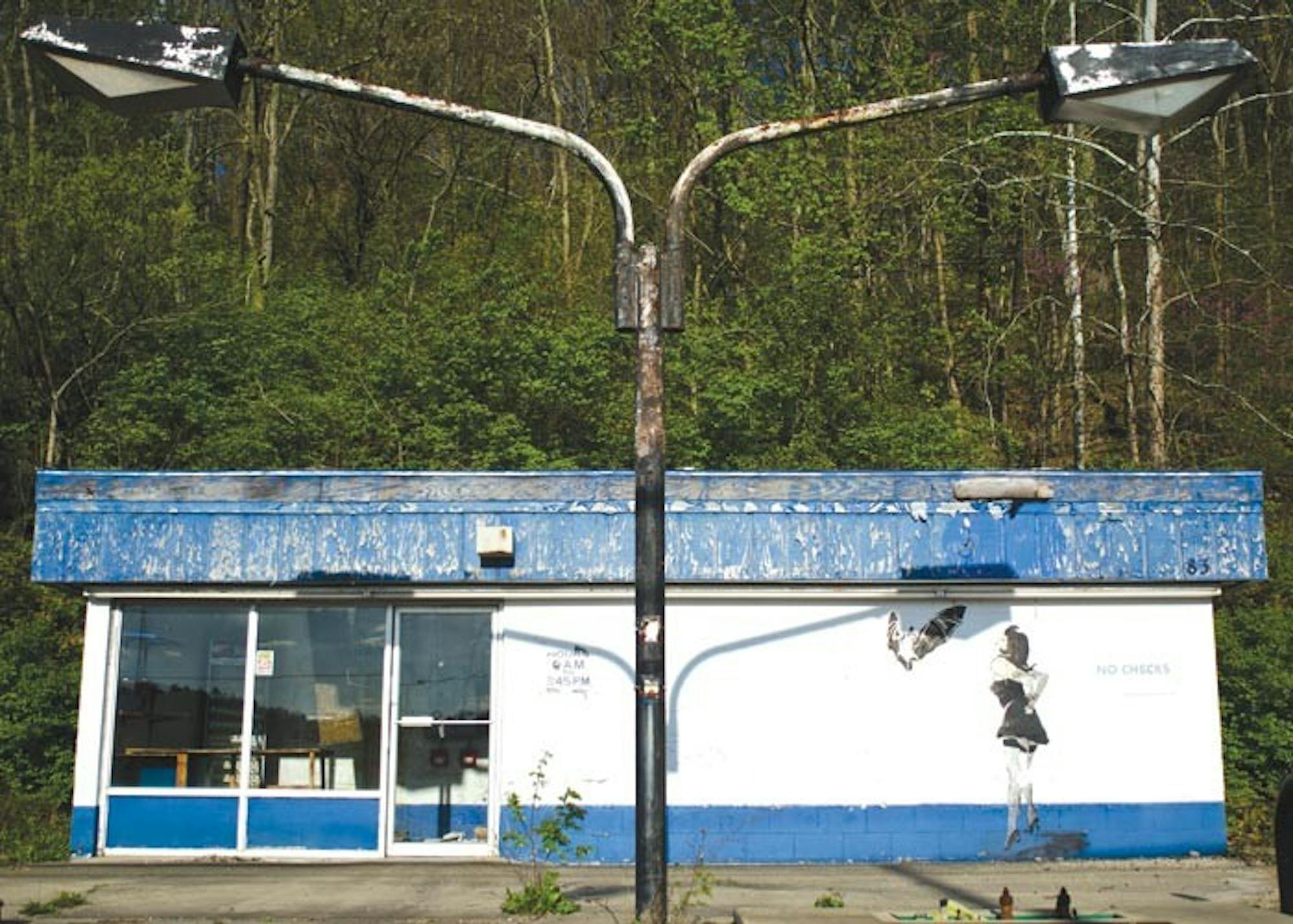
Councilmembers also discussed the pending land acquisition of an abandoned gas station at 83 Columbus Road.
The state allows Council to discuss property acquisition in a private executive session, said Councilman Elahu Gosney, D-at large in a previous Post article.
“It’s best we discuss these matters in private,” he said.
Council has discussed land acquisitions in at least two executive sessions since Spring Quarter.
But accepting the property could be a double-edged sword for Council because though the land could be developed or sold at the city’s discretion, the underground tanks could be contaminated and expensive for the city to treat.
Despite tests indicating acceptable levels of oil in the soil, the city must pay to remove the tanks, said Service-Safety Director Paula Horan-Mosley.
“We’re going into it with eyes wide open,” Mosley said, adding there could be contaminantes left in the area because of the abandoned fuel tanks.
Though most of the councilmembers and Mayor Paul Wiehl thought the benefits of accepting the land outweighed the risks, Auditor Kathy Hecht expressed concern over the potential for soil contamination.
“This is a perfect example of additional money costs down the line,” Hecht said. “I’m just worried about the money.”
Even though the acquisition may be necessary, Gosney’s primary concern was the proximity of the oil tanks to the city’s water supplies and the possibility of contamination.
“Should we take a chance and get rid of those tanks?” Gosney asked councilmembers. “I think we should.”
sh334311@ohiou.edu
bm471311@ohiou.edu


