

Athens’ historic luster might shine brightly into the future if City Council adopts an ordinance suggested at its last meeting.
The ordinance, suggested by Athens City Planner Paul Logue, would create a historic preservation board that would designate and preserve local historic properties.
“(Preservation boards) are pretty common in Ohio,” Logue said. “Athens is a very historic community in Ohio, especially with Ohio University being one of the oldest universities in the nation.”
The board would consist of five voting members and two non-voting alternates. All board members should demonstrate interest in preserving Athens’ history and two members would be professionals in architecture, history, planning or related disciplines, according to the ordinance.
The board would promote the use and preservation of historic sites in Athens and would also review requests from individuals who want to make any changes to protected properties, according to the ordinance.
“The city has been around for more than 200 years,” Logue said. “There are many old neighborhoods, historic buildings, the brick industry of the university and the mental health history at The Ridges that need to be protected.”
Athens has needed a historic preservation board for a long time, said Ron Luce, director of the Athens County Historical Society & Museum.
“I think most major cities that are successful and value their history have a preservation board in place,” Luce said. “It will help the city and developers value and respect the historic properties and sites that we have and help them come up with reasonable ways to preserve sites rather than destroy them.”
Uptown Athens is particularly historic and deserves to be protected, Luce said, adding that there are no protection laws in place based on the historical value of a property.
“This board would help make it so people at least have to think about what they’re doing before destroying a building,” he said.
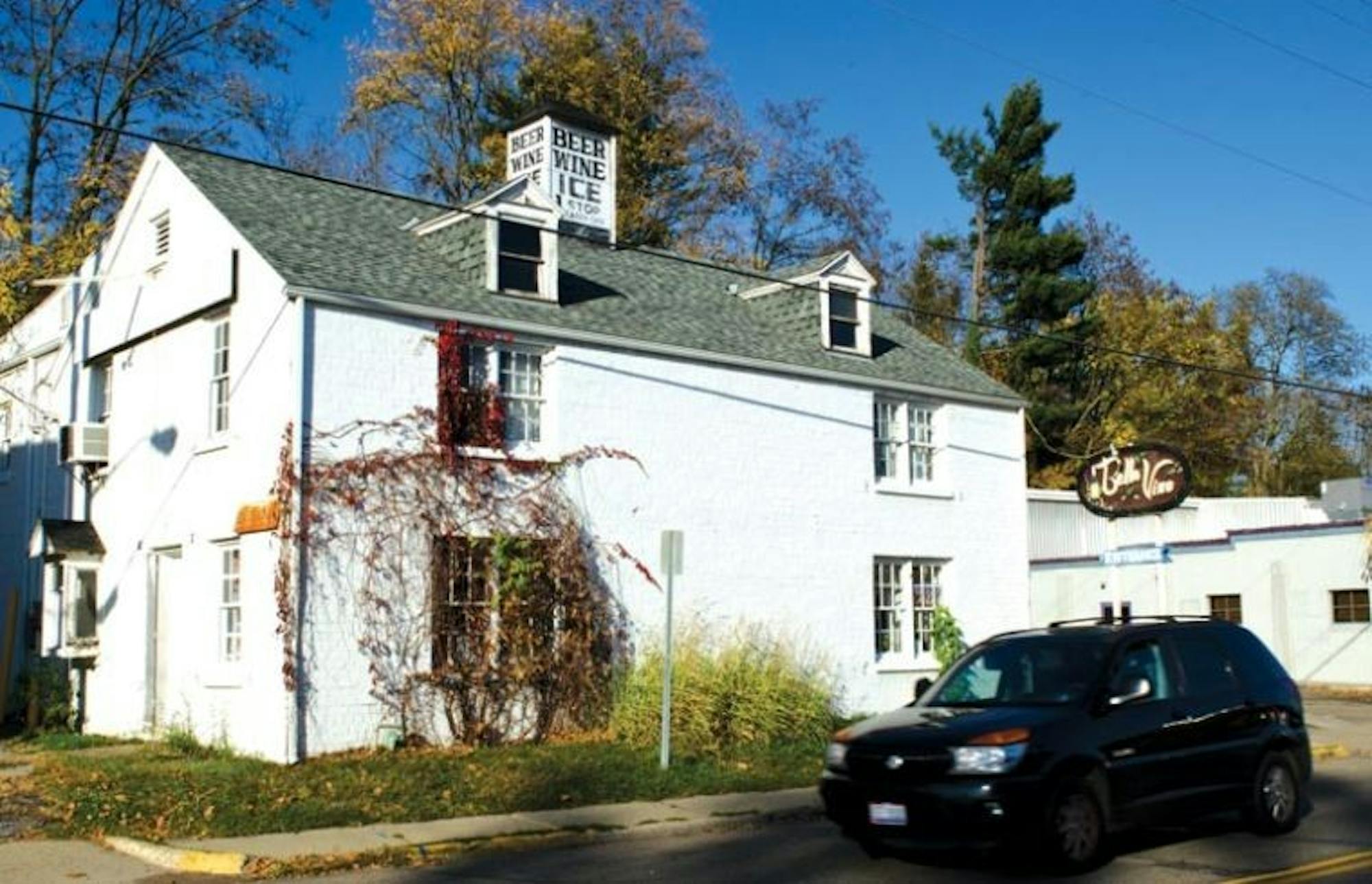
Luce said BellaVino, 22 W. Stimson Ave., which is going to be turned into an apartment building, is an example of something that would have been protected by the ordinance if it had been in place when the building’s fate was decided.
“That building used to be a mule barn for the Athens Brick Company,” Luce said. “It’s a wonderfully historic buildings that’s going to be knocked down.”
Logue said Cleveland, Columbus, Cincinnati, Oxford, Kent and older suburbs in Ohio already have historic preservation boards. He said as city planner, it is his responsibility to put the ordinance in place.
Mayor Paul Wiehl said that people assume the university will preserve historic sites, but it is also the city’s responsibility.
“I think it’s a good idea,” he said. “We’ve been around for 200 plus years, so why not? We should cherish (our history).”
ls114509@ohiou.edu


