Ohio’s national and state public lands have recently been affected by cuts to budgets and staffing. In the Ohio legislature's 2026-27 budget bill, the basic operational budget for Ohio State Parks and Watercraft, which includes nearby locations such as Strouds Run State Park and Burr Oak State Park, was cut in half. The state budget bill was signed by Gov. Mike DeWine in July and brought the Parks and Watercraft budget from $55 million in the 2025 fiscal year to $27.7 million in the 2026 fiscal year.
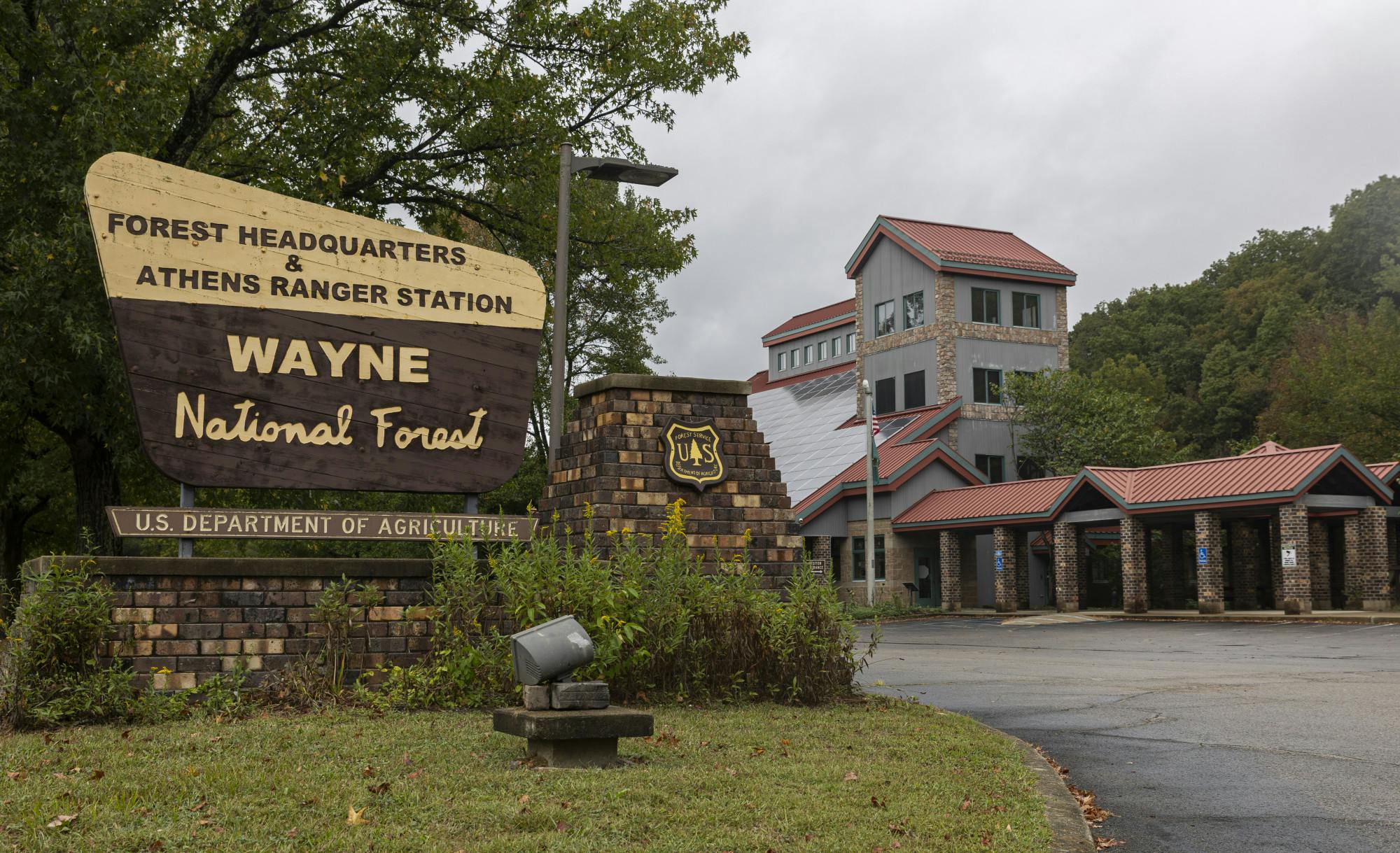
Nationally, the Trump administration has cut almost 3,400 workers at the U.S. Forest Service and nearly 1,500 at the National Park Service, limiting parks' abilities to keep extra staffing during busy seasons and limiting their abilities to upkeep trails and amenities.
Molly Bryden, the climate and sustainability researcher for Policy Matters Ohio, said interest groups have applied for federal grants to help with the upkeep of parks and services, but they are incredibly difficult and time-consuming to apply for.
“We’ve seen a lot of volatility and turbulence in the federal funding landscape,” Bryden said. “That has made it virtually impossible for local community leaders to plan and budget for the future.”
Many are concerned about the economic impact these cuts could have on Southeast Ohio, which relies on revenue from visitors to wildlife areas. Bryden said tourism and spending from park-goers bring in a lot of benefits that are vital to improving the region.
“Investing in parks and recreation systems is an incredibly important pathway for community revitalization,” Bryden said. “Especially in Appalachian communities, it’s also important to build and reinforce community resiliency.”
Jessie Powers, executive director of the Outdoor Recreation Council of Appalachia, said many people enjoy living in the region because of the easy access to outdoor recreation like hunting, fishing, hiking and biking.
“This is part of the fabric of our lives,” Powers said. “We have an abundance of state parks as well as the only federal forest, which spans 11 counties in Appalachian Ohio, so we really value that and feel it contributes to our quality of life down here.”
Powers said the parks are also very financially important to the state of Ohio. According to a report by Ohio State University’s College of Food, Agriculture and Environmental Sciences, outdoor recreation spending in Ohio contributes about $8.1 billion to the state’s economy. Powers said the 50% operating cuts by the legislature could have a serious effect on this.
“We do have amazing state parks and they’re really close to charming small towns and other cultural attractions,” Powers said. “We’re not helping the state’s economy by reducing these visitors.”
The state budget reduction, Powers said, is also affecting the funds for trail upkeep and emergency response and could end up costing taxpayers money instead. She said many of the trail systems in Southeast Ohio are already staffed by unpaid volunteers, and if they can’t afford to have trained professionals as well, safety may become a major issue.
“First responders could be volunteers who could get hurt themselves,” Powers said. “Ohioans who are volunteering their time shouldn’t have to be out there doing that stuff.”
Cathy Cowan Becker, board president for Save Ohio Parks, said the state parks budget was cut in half for 2026, but the legislature offered to make up some of the difference by offering funds from fracking revenue. Becker said this now puts pressure on the Ohio Department of Natural Resources to accept fracking bids because they’re reliant on those funds to keep parks running.
Seven wildlife areas have already been approved for fracking, including Leesville Wildlife Area in Carroll County. Becker said fracking can have negative long-term effects on the natural areas and have negative effects on the welfare of citizens.
“People need to have access to nature, to experience nature, to experience what land is like when it’s left in its natural state,” Becker said. “We want these parks and wildlife areas to be here, to be unpolluted and untouched for generations to come.”