In 2012, “Project X” broke barriers for the found-footage film genre. It showcases wild young adults and broadcasts uncontrollable American party culture to the world. “Project X” showed modern high schoolers and college students how to be the perpetrators of absolute chaos, giving rise to “Project X” parties, which saw thousands of people attempt to replicate the irresponsible monstrosity that was “Project X.”
Ohio University had the honor of being called the “Project X” school, as party culture is something that OU has been known for nationally. Halloween and Fest season are the most iconic of OU’s wild party culture. Once known as the number one party school in the nation, we lost our ranking by 10 places last year. Just 10 years ago, Playboy Magazine ranked OU as number one in the country, a rank that many Bobcats held with pride.
However, this isn’t just an OU issue. Nationally, we have seen complaints about party culture. From bad music to uncouth behavior, the party culture that made so many look forward to college may be in critical condition.
“It is becoming clear that, for whatever reasons, today’s younger generations are just less interested in alcohol,” said George F. Koob from the National Institute on Alcohol Abuse and Alcoholism’s in a statement for TIME. “. . . and are more likely than older generations to see it as risky to their health and participate in periods of abstinence like Dry January.”
The decline in alcohol consumption has been seen as a major factor in the decline in large parties. Alcohol is no longer being seen as a medium of escape for younger generations, many seeking alternative measures for mental reprieve. Birthing the “sober curious” movement, conceived by Ruby Washington in her 2019 book “Sober Curious,” which explores the mental health and well-being benefits of sobriety.
Some do believe that the decrease in alcohol usage is due to younger generations' preference for drugs. Psychology Today reported that cannabis, in the form of THC edibles and beverages, has been on the rise for Generation Z, with the market expected to exceed $8 billion by the end of 2025.
Alcohol is also seen as a social substance; most drinking is a way to engage in social situations. Gen Z isn’t the most sociable generation, being deemed the loneliest generation in 2024 by the GWI, as reported by Newsweek. The “Loneliness Epidemic” has become the greatest concern for the well-being of Gen Z, with it being called the “silent threat of our time.”
In a survey shared exclusively with AXIOS, Hopelab and Data for Progress saw that amongst 577 survey respondents from ages 13-24, 61% reported that loneliness takes a toll on their mental health, with 35% saying it disrupts their daily lives.
While less social interaction has led to a decrease in social drinking, there are many other factors contributing to the decline of the party scene.
Some people correlate the decline of party culture with the recent decline of club culture. Many Gen Zers are choosing “soft clubbing” over the raging club scenes that populated the media of the early 2000s.
However, the base for most of the decline of club culture, and most likely major party culture, is expenses. VICE interviewed Ella, an art curator for the Old Red Bus Station in 2023, who discussed having reached a breaking point due to operational costs.
“The costs of putting events on are so much higher, due to increased venue running costs like energy bills, drink prices and much higher artist fees,” Ella said. “At the same time, clubgoers have less money, and are less willing to pay higher ticket prices or buy drinks, so our customers’ spend per head has dropped significantly.”
Impacted by the COVID-19 Pandemic, we see the inability for most to afford the ability to club, along with reduced social engagement.
Now, five years post the beginning of the pandemic, we are still seeing the effects of the height of the pandemic caused internationally.
The rise of commercial goods is impacting people’s desire to go out; the costs for external costs like dining and drinking have increased significantly since the pandemic, and again with the current inflation.
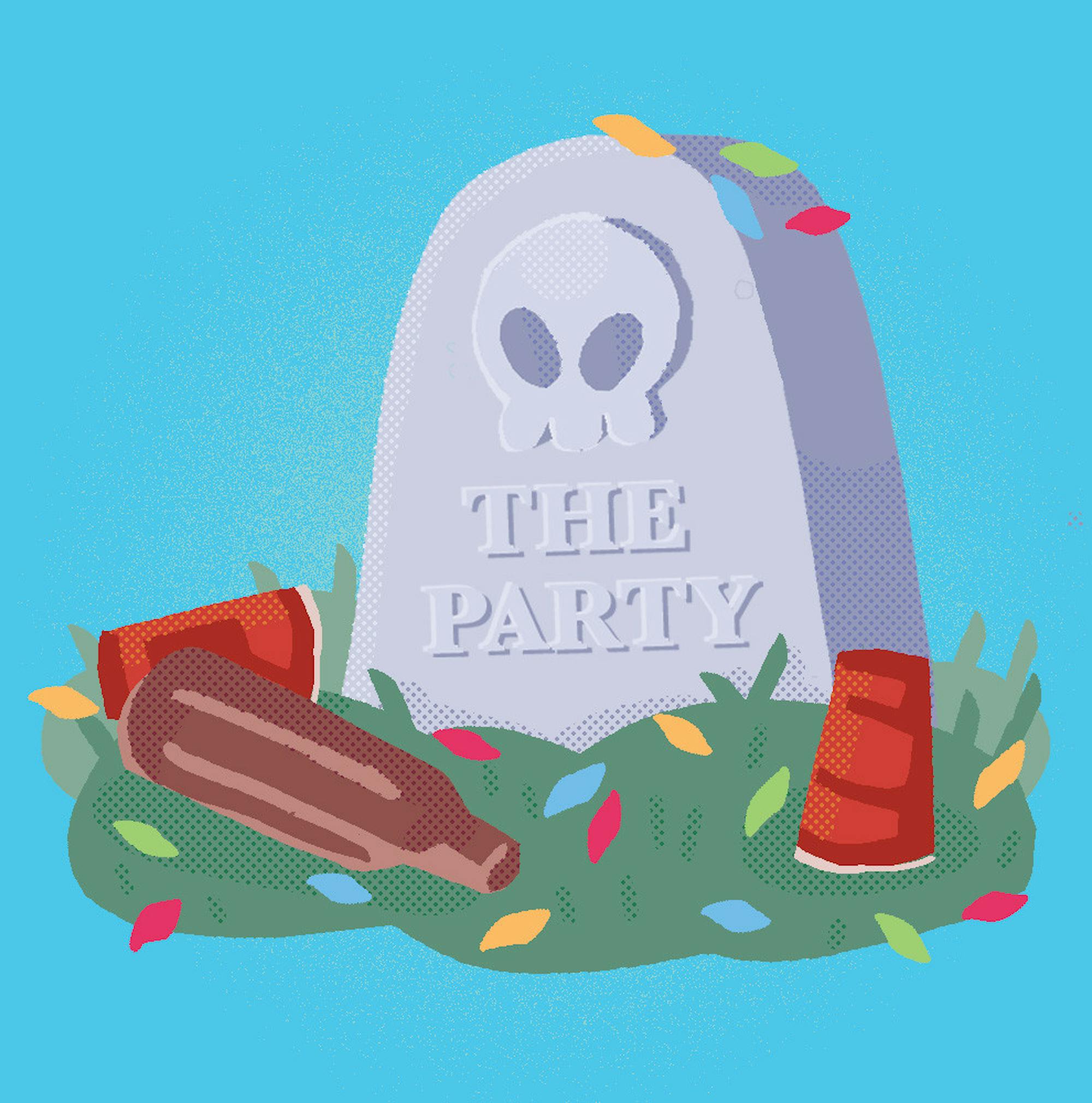
Partying is no longer affordable for many, nor is it affordable for the establishments that hold them. Popular, even iconic, nightclubs have closed due to the operational costs being unmanageable. The death of party spaces has been steadily on the rise for the past five years.
Yet, some argue that this doesn’t mean party culture is dying. The shift in the priorities of Gen Z has caused a societal shift in social engagement. Many argue that this is the same as the party culture. We are seeing gatherings become more intimate and well-being focused, with a refocusing on talking, dancing and community.
Gen Z has been shown to prefer intimate experiences like house parties, DJ pop-ups at coffee bars and arts & crafts events. Parties with social intention are becoming a rising trend with Gen Z, like “K-pop nights”, “Queer people teach line dances,” “Women DJ nights,” etc.
While some Gen Zers are feeling nostalgia for the way party culture used to be, many are a part of the current reshaping of party culture to fit the generation’s values.
Sure, the era of chaos-fueled parties might be over, but what is replacing it is fewer hangovers and walks of shame. The “death” of party culture isn’t a tragedy. It’s a rebrand to something that future generations won’t regret.