

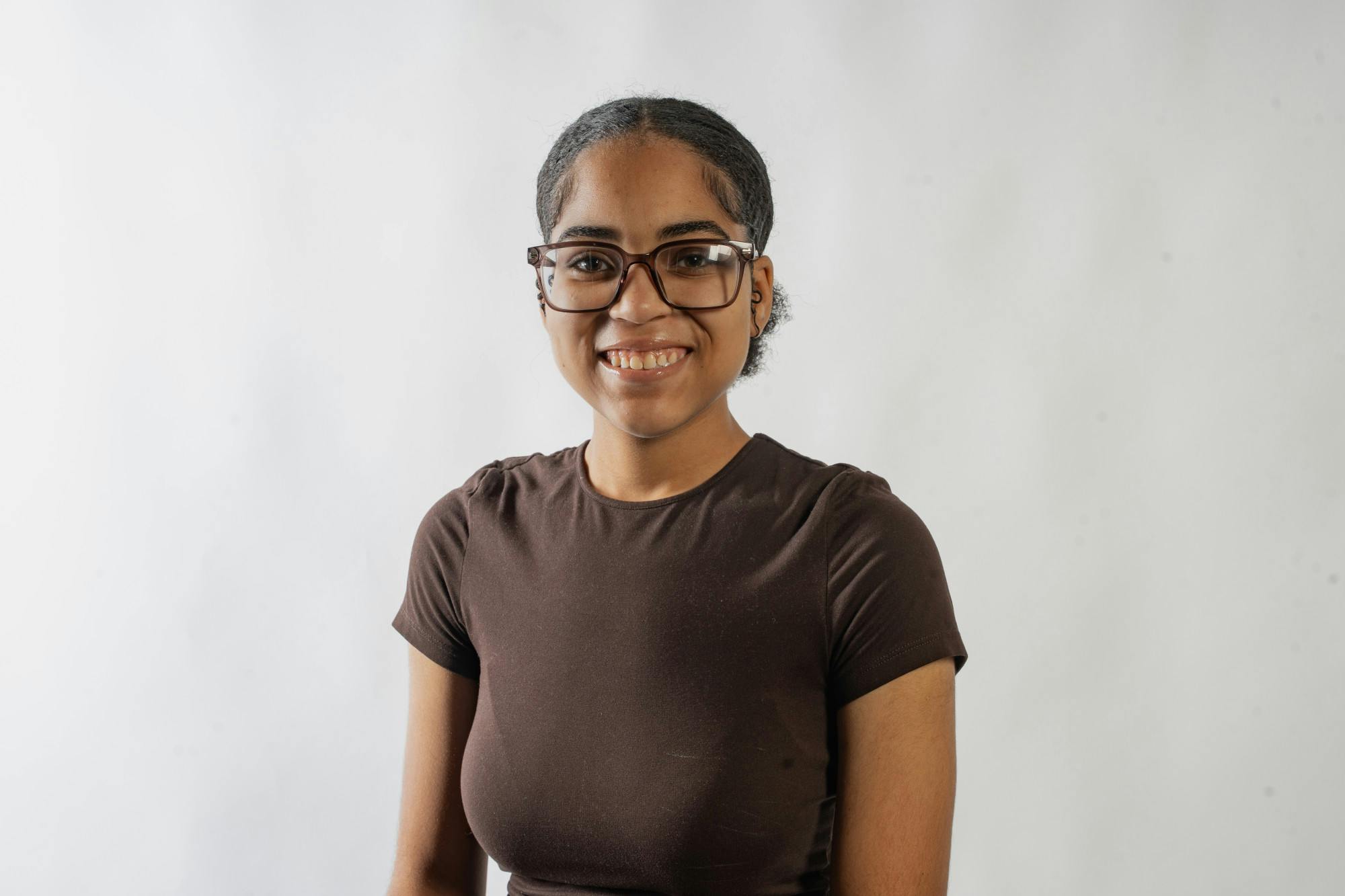
Settling on journalism as my career path was a difficult decision. A lot of that difficulty stemmed from not seeing other Black journalists and watching the erosion of Black media and publications.
In my journalism classes, we discuss the effects of convergence, job instability and other factors that contribute to the volatile nature of the journalism field, particularly in news and information. A lot of the examples are from a general or mainstream lens, which usually disregards the experiences of Black journalists, Black journalism and Black media.
There is nothing more soul-crushing than seeing the only publications and media that accurately reflect you and your interests erode in front of your eyes. It's discouraging to hear how many journalists in general aren’t being hired or are being laid off, and mentally having to multiply the likelihood of that happening to you.
Some mainstream publications and organizations dedicate departments to Black issues and news, but I know deep down those departments and the Black journalists who work in them aren’t priorities.
Such examples of Black journalists not being prioritized are seen in recent decisions. On Oct. 30, CBS News disbanded its race and culture unit, and two weeks before that, NBC News cut its journalists centered on marginalized issues. VIBE magazine, a quintessential Black music and pop culture magazine founded by the late Quincy Jones, merged with Rolling Stone magazine, resulting in many Black writers being laid off.
As a freshman journalism major, it’s terrifying to watch. The field itself is already volatile, which is anxiety-provoking, but I feel that pressure tenfold. From the layoffs to the firings and cancellations and cuts, I watch the erosion of Black media, news and journalism in front of my eyes.
Black journalists are underrepresented in newsrooms and don’t tend to hold leadership positions like editors, meaning we don’t have as much say in what stories are told, especially our stories.
Watching Black publications and departments dissipate or scale down is disappointing. It makes me feel like there won’t be spaces left for me. Black publications serve as a cornerstone in Black entertainment, news, issues and other topics. Having a place for Black life and identity to be centered is crucial; it builds community and gives a voice to important perspectives.
Concerning diversity departments and Black journalists being laid off, you cannot ignore the reality that a push for anti-diversity, equity and inclusion has caused a trend in eroding diverse stories, the publications that push them and the journalists that write and report them. President Donald Trump has vowed and put into effect actions dismantling DEI and rejecting diversity, which in turn rejects the stories, experiences and livelihoods of many marginalized groups.
Seeing the effects of this anti-DEI trend isn’t hard to miss as a first-year Black student at Ohio University, seeing as the university shut down all its offices related to DEI. It seems like the whole country is pushing forward with this sentiment.
NBC seems to have followed suit when it cut its teams dedicated to marginalized news. It shows a lack of commitment and interest in reporting the news and sharing the experiences of marginalized people. The constant firings and layoffs show me they view Black journalists as disposable.
More publications and broadcasts following the lead in this political climate would not surprise me. If Black publications fail to survive on their own, they’ll either wither away or converge with larger outlets that often don’t have Black people and stories in their best interests.
It’s hard to feel motivated to complete this degree. Especially when I feel like being a Black journalist and sharing my stories, my interests and my perspective will become a hindrance in finding jobs, or will become deciding factors in whether I’m employed or laid off.
Being a young journalist means having to stay optimistic about the future of this field. Unfortunately, being a Black journalist means knowing those factors are going to hit you tenfold and some people’s vision for the future of journalism does not include you. It’s demoralizing.
Dawnelle Blake is a freshman studying journalism at Ohio University. Please note the opinions expressed in this column do not represent those of The Post. Want to talk to Dawnelle about their column? Email them at db948724@ohio.edu


