Younger Generation Z and Generation Alpha are often viewed and criticized for acting too “grown” for their age, whether it be in mannerisms or interests. Many have a huge interest in makeup, skincare, clothes, music and media that exceeds their maturity level. It's not surprising, though because many of them are online and susceptible to social pressure and disdain.
Social media use is increasing among younger kids. There’s growth between the ages of eight to 12. Forty percent of 10-year-olds have a phone, and by 14, the number surges to 91%. Therefore, social media and the internet have a huge role in kids’ lives.
For example, every once in a while, a new “glow-up” trend begins on TikTok, and people post themselves at 12 years old and then at 21 years old and call it a “glow-up.” You grew up.
This inaccuracy is called out, rightfully. I think it's deeper than inaccuracy, though. It juxtaposes childhood as an inherently ugly stage on the path to adulthood, when in reality, you’re just early in development and some attributes can’t or shouldn’t be amended to a “glow-up.”
Then there were the “princess cover-up” videos. A "princess cover-up" is a technique of braiding used to cover up bald spots on babies and toddlers. Instead of patiently waiting for young kids to grow their hair fully, some mothers feel it necessary to pull the little hair their children have together.
Despite the dangers of traction alopecia that may occur on these babies’ sensitive and developing scalps, the mothers do this for appearance reasons, which I think deflects social pressure onto children early.
The minute I became vigilant of how adults project social pressure onto children, it was as if I couldn’t escape it. The most recent and jarring example I saw was a mother putting her child into a waist trainer and the outrage that arose online.
It’s ironic and unfortunate since the world demonizes being a child and the bliss that comes with not having to answer to social standards that early. Then, it shames this upcoming generation of kids and pre-teens for “growing up fast.” In reality, these kids were exposed to social pressure by adults and the internet and feel the need to conform early.
I think it's most evident in the influx of younger girls, nicknamed “Sephora kids,” who are obsessed with skincare and makeup. Many of them are criticized for their premature interest in cosmetics and for their behavior in stores, but a lot of them are mimicking the behaviors of adults and internet influencers they look up to.
Kids and tweens don’t have spaces carved out for them. Tween culture is inherently dead; not many tween-centered music genres, celebrities, stores or games exist competitively in the mainstream.
Stores that nurtured young minds and were once very successful, such as Justice, are now closed, and Claire’s is on the decline. While SHEIN, Amazon and Fashion Nova skyrocket, Disney Channel plummeted in popularity, and kids share online spaces like Roblox and TikTok with adults. Without spaces dedicated for tweens, kids are subject to adult-made or centered content, which exposes them to social pressures and conformity early on.
Because we share the internet with kids, there is no doubt they see the open disdain many older people have for them. The annual "kids on airplane debate" and the unprovoked random TikTok of someone talking about how much they hate kids and babies. They see that adults view them as burdens, and they may feel a pressure to distance themselves from traits, behaviors and interests associated with being a kid.
Right now, children exist in a strange space. The nature and presence of childlikeness and immaturity are condemned, and they are pressured to socially conform. When they do conform, they’re still condemned for “being too grown” and encroaching on adult territory despite the lack of spaces for children and the demonization of childhood.
Childhood can bring some of the most freeing moments you’ll have felt in your entire life. We should work harder to provide children and pre-teens with spaces to have for themselves, so they can enjoy and embrace their youth without social pressure and judgment.
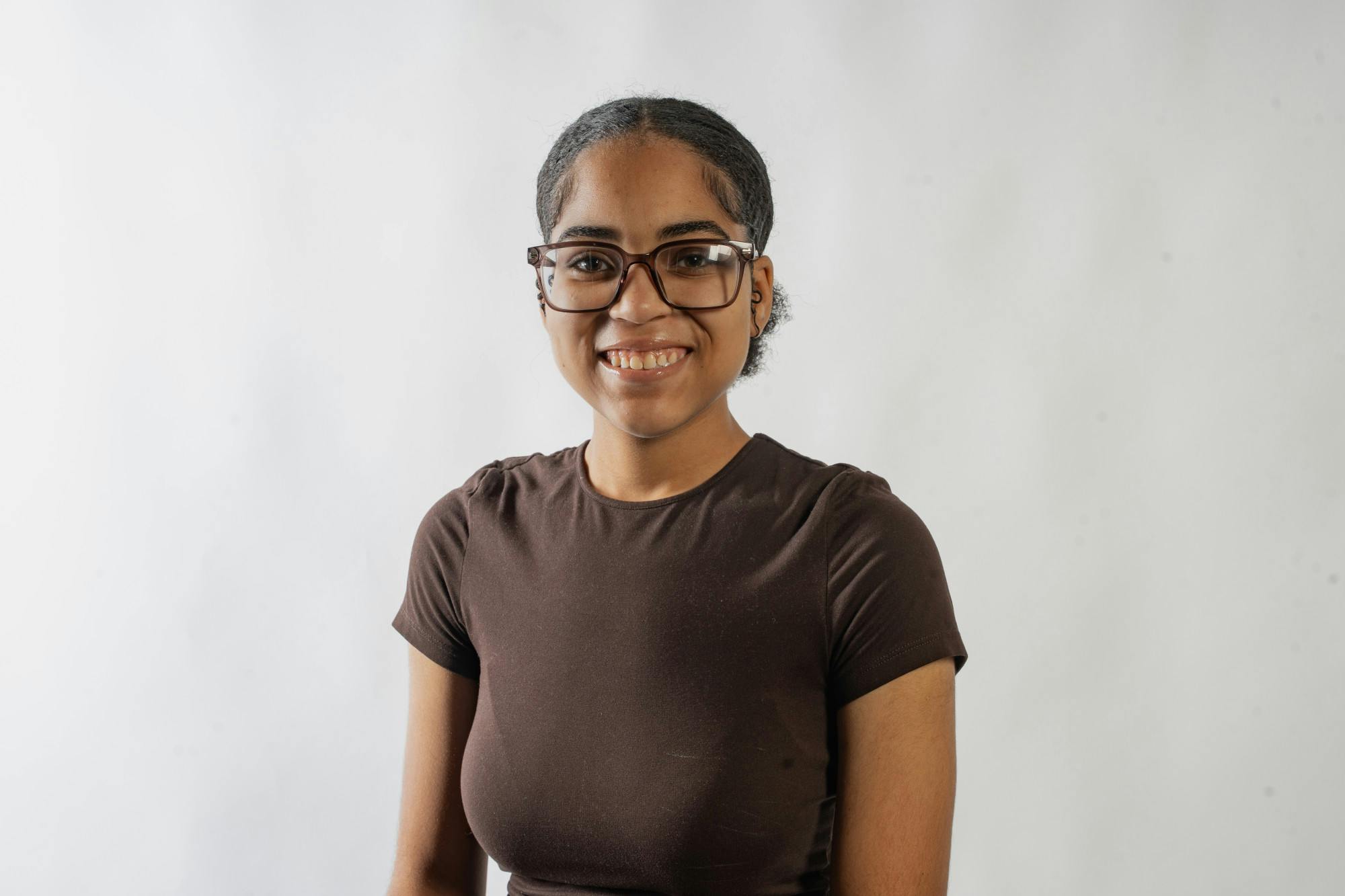
Dawnelle Blake is a freshman studying journalism at Ohio University. Please note the opinions expressed in this column do not represent those of The Post. Want to talk to Dawnelle about their column? Message them at db948724@ohio.edu or @dawne.jpg