

Supplemental Nutrition Assistance Program benefits have ceased since Saturday for those who rely on government funding for groceries, due to benefits running dry in the longest government shutdown in U.S. history.
SNAP has helped one in eight Americans buy groceries since 1964. According to the Associated Press, SNAP provides about $350 monthly to participating households in grocery help.
Two federal judges ruled the Trump administration must cover SNAP benefits with emergency funds through the government shutdown, as reported Friday by the AP.
Before the ruling, Trump stated in a U.S. Department of Agriculture memo that he would not tap into about $5 billion in contingency funds to support the program, the AP reported.
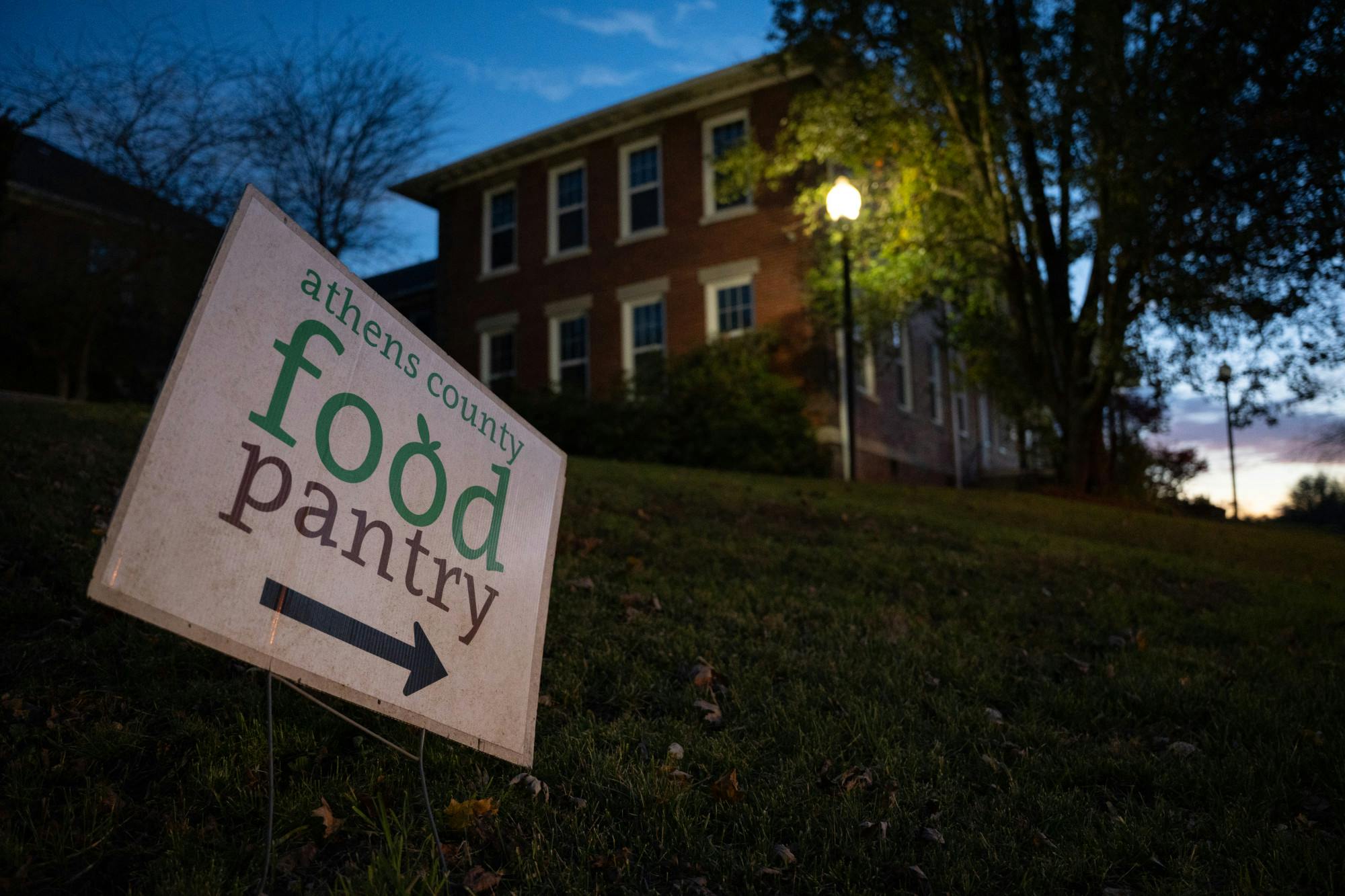
Karin Bright, president of the Athens County Food Pantry, said on a monthly average, they serve about roughly 600 households, which is an average of about 20 households a day in Athens County. The Athens County Food Pantry served 70 households alone on Oct. 27.
“We don't call them clients, they're our neighbors and I spoke to several of them, and the word that I kept hearing was scared,” Bright said. “We're scared, we're not worried, we're not frustrated, we're not angry. We're scared that they're not gonna be able to feed their kids.”
Bright said the food pantry is very lucky, with generous donations in previous years. Many of which came in after Athens homegrown and Bengals quarterback Joe Burrow's 2020 Heisman Trophy speech, in which he acknowledged Athens and Athens County as a highly impoverished area.
The Athens County Food Pantry has been very mindful of its money and how it's been invested, putting them in a better position to succeed and support others when in rough and uncertain times. Bright said if they ever ran low on physical food supply, they could always go and buy food from retail if needed.
The biggest impact the food pantry will sustain is the increased number of people they are serving. Bright said most of the time, the people they serve do not come to receive help every month. Typically, people will come in when they are in a financial crunch.
“We anticipate that we will see more and more people coming regularly to fill that gap,” Bright said. “We also will see people that we have not seen before, either because they've been able to get by and now they can't, or they have gone to another pantry and maybe couldn't get served by another pantry, or that's just not enough to get them through the month.”
To prepare for a possible increase in the community's need for food, the pantry has been packing food five or six times a week to ensure it keeps up with the demand.
Bright said volunteers are always welcome, and they have a full list of foods they prefer to be donated on their website, including foods like peanut butter, cereal, granola bars and canned meat. Donations can be dropped off at the food pantry, which is open Monday through Friday, 10 a.m. to 3 p.m.
In terms of possible future cuts, Bright said she has faith in the community to step up and help, like they’ve done in years past.
“I think if you're doing good things for the right reason, things seem to come through,” Bright said. “We've been very blessed that we've had very good, supportive donors over the years.”
Alicia Miklos, the director of the Southeast Ohio Food Bank, said they serve 10 counties across Southeast Ohio, with about 61,344 of those users being dependent on SNAP to help feed their households.
To highlight the strain the government shutdown has placed on families, Miklos also said 62% of SNAP participants are families with children, and 43% of SNAP participants are elderly or have a disability.
Miklos said during this time of food uncertainty, they have been working closely with all of the food banks and pantries they support, using flexible grant funds to order more food and having a purchase program for banks to order food from.
Miklos also said they received a $25,000 donation from Hunger Solutions for the pantries in Washington County.
Even with their ongoing support for pantries and banks, Miklos said they can never fill the gap that SNAP provides, and they hope to see the program continue soon.
“For every one meal that a food bank network provides, SNAP provides nine meals to people in our country, so we won't be able to fill the need that exists,“ Miklos said. "Federal relief is critical."
Even with it being less than a week since SNAP benefits ceased, Miklos said the HAPCAP for Health Market has seen a significant increase in need.
“Since this kind of announcement came about, they've seen 70 or 80 families some days visiting a pantry,” Miklos said. “Normally, I think that 40 to 50 families have been the norm since the market opened last year.”
Miklos said volunteering is always helpful to their cause, as well as monetary donations. One can sign up to volunteer and donate on their website.


