

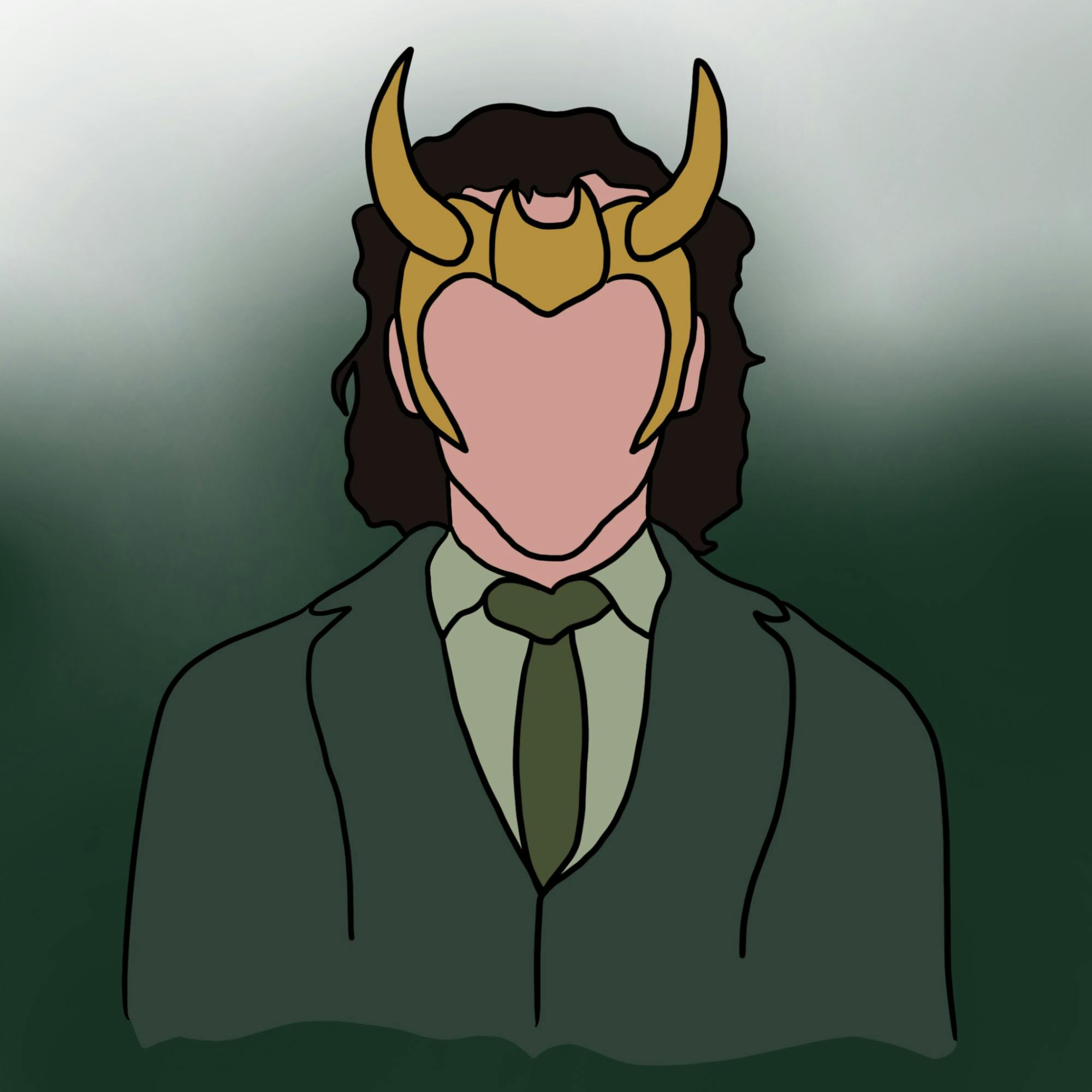
If you have a favorite character from a movie, a book or a TV show, you’ll probably recognize they are not identical to you and your identity. In fact, if this character were real, you may not support them in any way.
Morally gray can mean a lot of things, but the idea is basically summed up with the idea that a character who falls under this category can neither be labeled as a “good guy” nor a “bad guy." It can be difficult to define these kinds of characters, but they usually fall in the middle of right versus wrong.
“Morally gray characters follow their ambition rather than those of the greater good or evil,” said Katie Davis in an article from Andrews University. “Morally ambiguous characters may still strive to impact their world positively or negatively in some manner.”
A study conducted in June 2019 looked into the relation people have with “Dark fiction characters” or “DFCs.”
“People take sides according to their view of what is right and wrong,” the article said. “... right up until the point audiences find themselves liking and rooting for morally ambiguous or even evil fictional characters.”
Characters don’t have to be perfect to be loved. In fact, it’s sometimes annoying to have to consume a piece of media where all the characters are always flawless. It’s no fun when their morals aren’t ever challenged. If characters aren’t faced with obstacles and weighted decisions, it takes away from their reality.
However, this doesn’t answer why we feel so inclined to morally gray characters and not just “normal,” everyday characters.
Perhaps some people’s love for morally gray characters comes from the fact that these characters make sense in the context of their worlds. For example, Dexter Morgan from Showtime’s “Dexter” is a popular morally gray character.
In this world, Morgan kills only “bad” people and solves crimes as his day job. Nobody knows about his secret. Although this isn’t deemed as right, the show is written so viewers accept Morgan. We are led to the point where we even side with him. We root for the man who, from another perspective, would be the “bad guy.”
With morally gray characters or media in general, many boundaries that would be implemented in real life are completely lost. This is another reason that makes this character archetype more appealing. Taking away the real-life aspects, yet still keeping the characters realistic, people have just enough fantasy to be drawn in and enjoy media that would be wrong in the real world.
A big part of what makes characters moral or immoral is their decisions. These characters can think a certain way, but what really matters to audiences is what choices they make.
On the surface, Walter White, from “Breaking Bad,” is a drug dealer. But below this, there is an ethical dilemma; White is dying of brain cancer and wants to make sure his family doesn’t suffer after his death. Sure, there are other choices White could’ve made, but “Breaking Bad” isn’t a documentary or PSA on what’s a good choice versus wrong.
If the show is analyzed from that angle, viewers begin to see that, in a way, characters like this come from an understandable place. What makes them morally gray is the way they execute their plans to get out of their circumstances.
Ambiguous characters also tackle what would happen when “normal” people are thrown into unbelievable situations.
Another amazing example when it comes to characters where morals have to be changed is “Yellowjackets.” The show follows a girls’ soccer team stranded in the wilderness after their plane crashes. The show, written as a horror, thriller and light fantasy, deals with numerous decisions nobody in a regular situation would be able to make. In some instances, life or death decisions are made.
The show runs with a dual timeline, showing the aftermath of this incident with some of the teenage characters grown into adults. Even 25 years following the crash, the characters' morals are still rocky, at best.
“It's about not dealing with your past and what happens years later when it comes back to haunt you,” one IMDB reviewer said.
Still, viewers have trouble blaming characters for what they do. Sure, some of their decisions are made poorly or in haste, but if we look at it from the outside, we have to wonder if we could be perfectly aligned with our beliefs in situations like this. The answer, as much as we don’t want to admit it, is most likely bordering on a “no.”
Morally gray characters allow people to explore their own morals. We aren’t forced to follow exactly what they do, but we begin to think about real-world scenarios and how we may act in them. Real people aren’t two-dimensional. Morally gray characters perfectly capture and allow more meditation on the topic.


