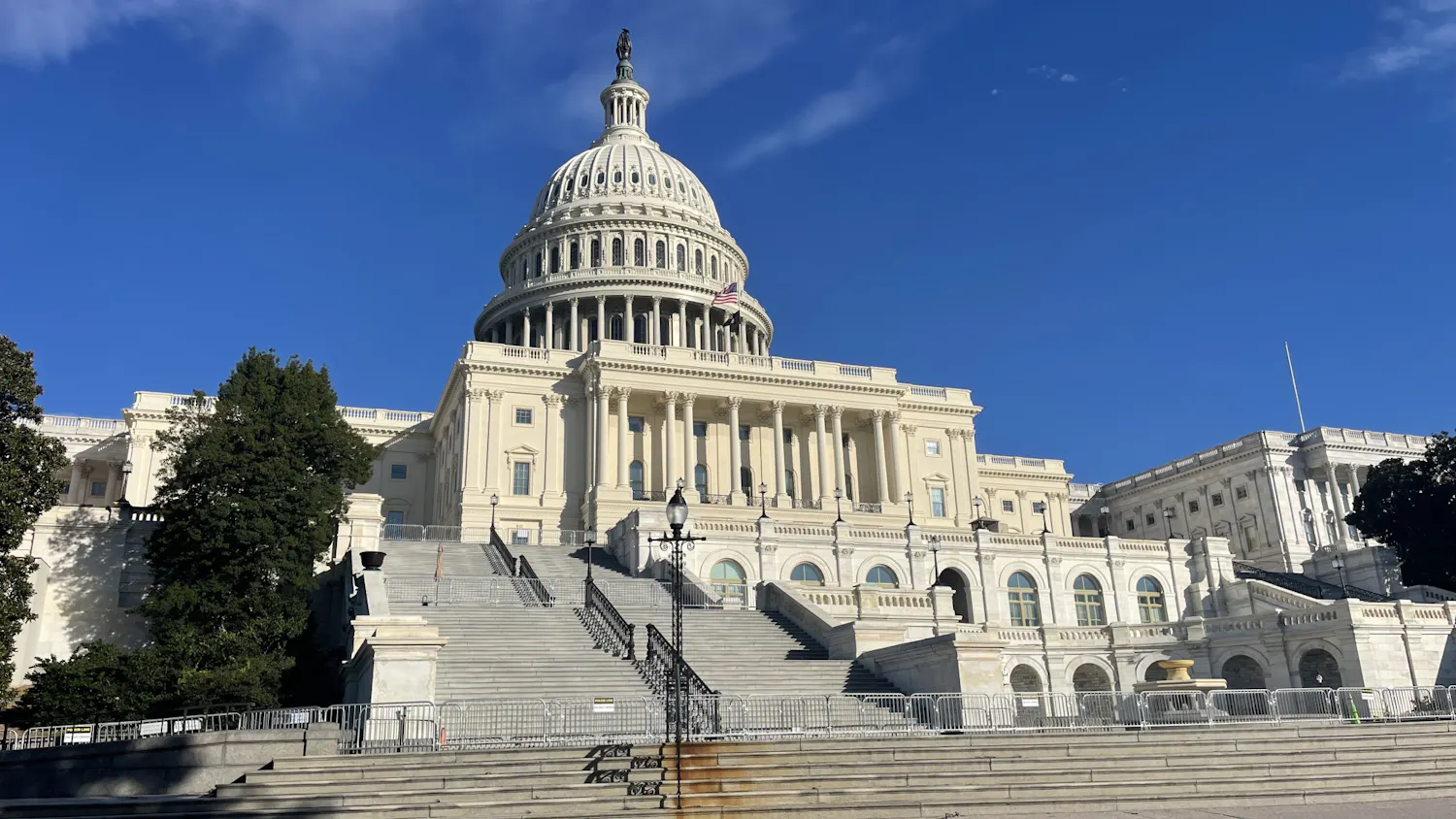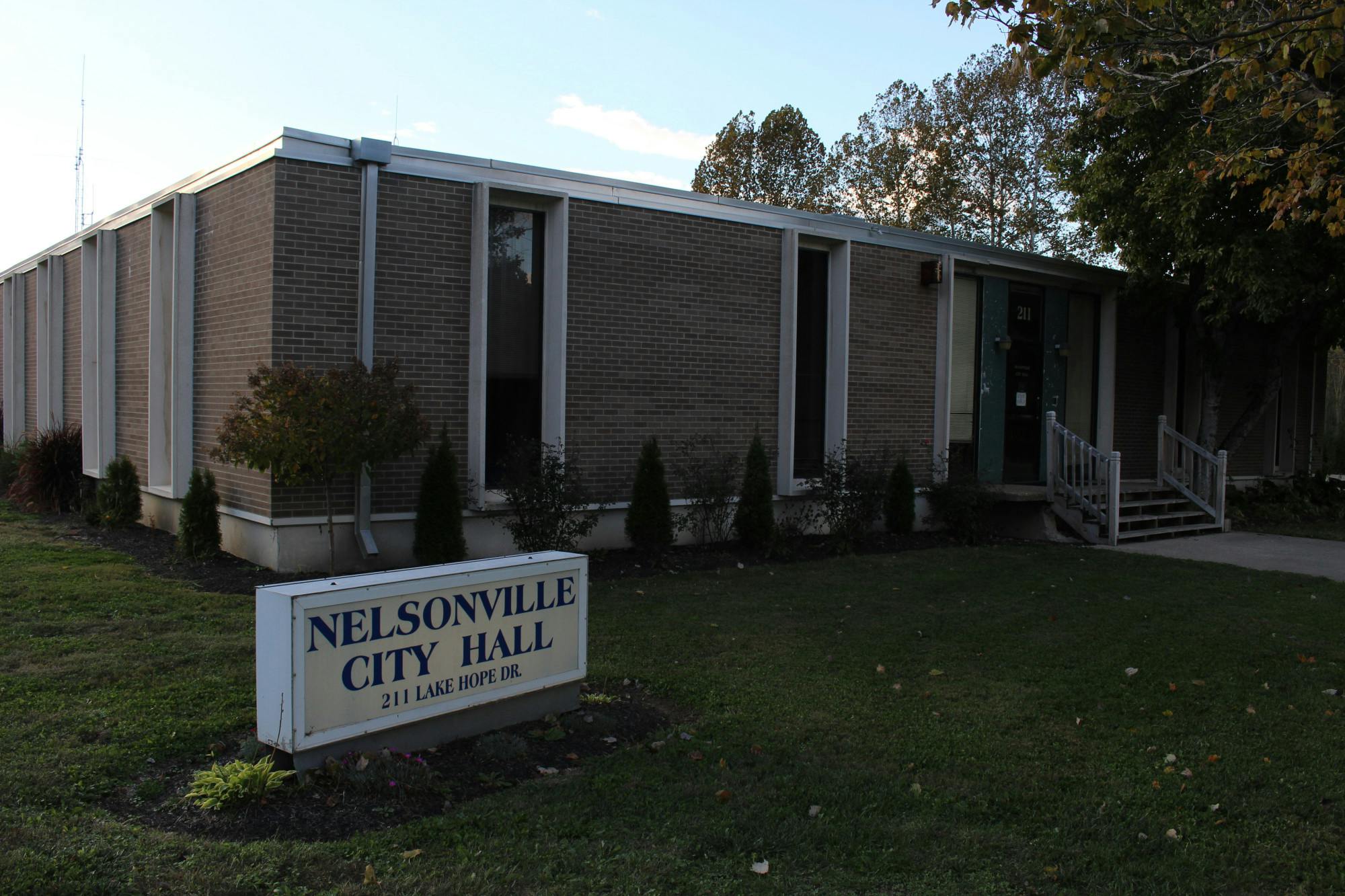
Nelsonville remains divided between the legitimate governing charter city council, and a statutory city council. According to Cameron Peck, Nelsonville City Council President, the statutory council is not "proven to be legally correct.”
The official Nelsonville city charter was adopted in 1994 and effective in 1995.
Issue 23 was the ballot initiative aimed at dissolving the charter and establishing a statutory form of government. The issue passed in November 2024 with about 70% of the vote, according to a previous report by The Post.
However, Ordinance 54-25 passed on Aug. 11, 2025 and said Issue 23 had a lack of a transitional plan and authority. The ordinance officially repealed Issue 23, declaring it null and void as of when it passed.
The Supreme Court of Ohio allowed elections to the statutory city council to occur, even though the ordinance was passed before the elections were set to take place.
The statutory city council meets at a local lodge, and its meeting times, location and member names are not located on the City of Nelsonville website.
Peck said the role of the charter council is to control finances, write laws and consider public opinions regarding roads and sewers.
“The purported statutory candidates are a group of varying ages that meet at the local lodge … who had been put in for seats under a statutory government that would have been instituted had I not written 54-25, and the council had not passed it.”
Ordinance 54-25 said the charter council remains in effect and should continue uninterrupted.
“Nelsonville City Charter remains in full force and effect, and all existing ordinances, resolutions and governmental structures established under the charter shall continue uninterrupted until lawfully amended or repealed in accordance with the Ohio Constitution and Nelsonville City Charter,” the ordinance said.
Peck also said a merger of the two councils is not feasible because there is no apparatus that would make it possible.
A primary reason Peck wrote Ordinance 54-25 is that it is very expensive for a city to transition to a new form of government.
“I believe the lack of transition was projected to cost the city … between $2 and $3 million for a statutory transition without a staggered implementation, so I saw myself as diverting a crisis when I did this,” Peck said. “I wished I had been able to turn away from the wall sooner, but you can't start correcting until you start crashing or you realize you're crashing.”
Dakota Saul started living in Nelsonville three years ago. He said he moved to Nelsonville during the period of campaigning for Issue 23.
Saul said at the time he was trying to make sense of the situation, and saw a lot of dissatisfaction within the community regarding the lack of “things being done on a governmental level.”
Saul also said the frustration with the city government began to dissipate a little, detailing the disfunctionality of the council in prior years.
“In the last year, I am seeing change, but the two years before that, I know as I was trying to figure out what was going on and reading old articles and news about the past, it was pretty much a resignation every few months and not anything getting done,” Saul said. “If I understand correctly, we've almost gone a whole year with nobody disappearing off of council and resigning in frustration.”
Saul said he believes people have more faith that business can resume as usual, but it is on a smaller scale, and some frustration with the government system remains.
Saul, who is married to Nic Joseph Saul, a member of the charter council, said he would like to see a little more effort from the city, not just the city government.
“Instead of just saying you're kind of on your own,” Saul said. “Going above and beyond to actually serve the residents is something that I would love to see improve everywhere in the city, not just city government, but it starts there.”
Peck said it is business as usual in Nelsonville currently, with officials focused on providing economic growth and good government for citizens.
Saul believes most Nelsonville citizens would like a sense of closure in relation to the two councils and “most people are just waiting for a resolution so we know where to put our faith.”
Nelsonville Mayor Jonathan Flowers did not respond to a request for comment.
The issue of whether or not the city council had the authority to override the decision to revert to a statutory form of government is the subject of a lawsuit pending before the Supreme Court of Ohio, according to Court News Ohio.