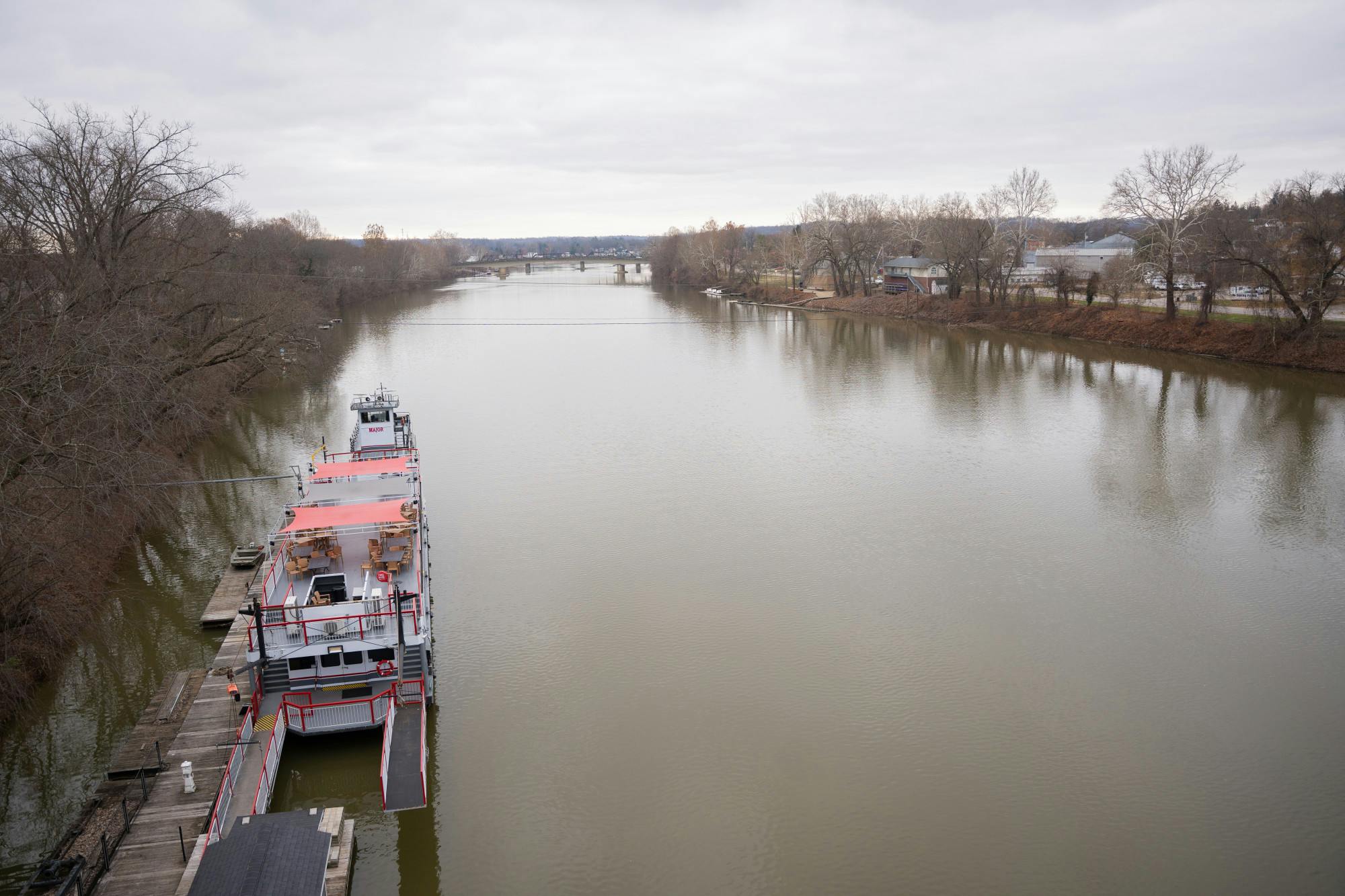
Buckeye Environmental Network is suing the Ohio Department of Natural Resources following the approval of two oil and gas waste disposal wells, Stephan #1 and American Growers #4, in Southeast Ohio.
DeepRock Disposal Solutions applied for permits for both Class II injection wells in Washington County in 2021, when certain rules were in place. However, ODNR issued the permits on Aug. 28, after those rules were changed to be more protective of the community.
According to the U.S. Environmental Protection Agency, a Class II injection well is an underground well where fluids are injected to produce oil and gas. The injected fluids are often wastewater brines, a fluid that is saltier than seawater and can contain toxic metals and radioactive substances that come to the surface during drilling processes.
Bev Reed, Appalachian organizer for Buckeye Environmental Network, said the lawsuit alleges ODNR should be following the new laws. The legislature passed in 2022.
“The lawsuit argues that ODNR did not follow their own rules that they created in preventing these two permits simply because the company, DeepRock, applied for the permits right before the new rules took effect,” Reed said.
ODNR declined to comment on the ongoing lawsuit.
The regulations, found in the Saltwater Operation chapter of the Ohio Administrative Code, placed more restrictive mandates on permit approvals and permissible activity of injection wells. Those restrictions took effect Jan. 13, 2022.
One of the restrictions included an increased radius required for the area of review. The area of review is the zone surrounding an artificial penetration, such as an injection well, which is analyzed to determine where increased pressure from injected fluids could potentially cause contamination of underground sources of drinking water.
Catherine Helm-Clark has over 35 years of experience in geology and reviewed the geography of the Washington County area and came up with conclusions on how the injection wells could impact drinking water.
Helm-Clark said in a writ of mandamus on how DeepRocks' use of outdated areas of review could impact drinking water in Washington County.
“These smaller AORs allowed the owner of the two permits, DeepRock Disposal Solutions LLC, to avoid examining whether their new well would potentially impact Marietta’s municipal water wells, less than two miles away,” Helm-Clark said in the summary.
According to Reed, the new restrictions also capped the number of barrels of waste a company can dispose of per day at 200, which is significantly lower than the previous cap of 5,000 barrels.
A large concern for many is the proximity of the wells to the drinking water sources in Marietta, with locals establishing a Facebook group called Washington County for Safe Drinking Water, which advocates against the injection wells.
Some experts claim the waste could make its way into the water system, contaminating water for the entire city. Helm-Clark highlighted the dangers injection wells have already posed in the Washington County area.
“Two of Washington County’s 17 Class II injection wells have been documented by ODNR and other researchers as leaking injected brine more than two miles out of their targeted injection intervals, causing increased seismicity and infiltration of brine into producing oil and gas Wells,” Helm-Clark said in the review. “Stated another way, over 12 percent of Washington County’s Class II injection wells have already leaked.”
Helm-Clark argued the presence of rocks in the ground is not sufficient to prevent the contaminated water from moving its way into the Underground Source of Drinking Water aquifers.
The Marietta City Council recently began focusing on the issue after Susan Vessels, president of the Marietta City Council, attended a water and sewage meeting discussing the matter with Reid and a leader of the Facebook group.
Vessels decided to convene the Committee of the Whole to discuss the matter in July. She invited people with different opinions, including those from ODNR, Ohio EPA, elected officials, petroleum engineers, people from the injection well company and more.
“The meeting went forward, and the speakers showed up, people with the injection well company, people from the university, from the college and it was a fantastic meeting,” Vessels said. “It went on for three hours. I had probably 100 people from the community.”
Following the meeting, the council voted to draft an objection to the approval of the reissue of the Stephan #1 well. All members of the council signed the document on August 8, which was then hand-delivered to ODNR.
Vessels discussed how those from all over the region are joining together to oppose these injection wells and express their concerns.
“This isn't just a fight with the city of Marietta; we have Buckeye Environmental and Earth justice, and not just the city,” Vessels said. “We have got the water districts in the county there that are joining in and filing their own moratorium resolutions with the state, asking for help. So it's the trustees, it's the water districts, it's the city of Marietta…so it's a whole effort to say, please, please pay attention. This is not going to end well, unless something changes soon.”