

Many nations are restrictive on their freedom of expression. According to the World Population Review, 165 countries have free speech. However, many of them are still in desperate need of improvement and lack freedom of expression overall.
The U.S.’s First Amendment explains Congress should respect a citizen's choice of religion, their freedom of speech, press, assembly and petition.
Nevertheless, there are obvious limitations to our First Amendment. The sharing of obscene material, plagiarism, defamation and threats are all examples. Yet, just because there are limitations to be followed, doesn’t mean the public is completely restrained in the power they hold through the media, news and protests.
A good example of when Americans utilized the First Amendment was on March 12, 1990, with the “Capitol Crawl”. This event took the first amendment to a new level, using the right of speech, petition, assembly and of the press. Hundreds marched and watched as around 60 people with physical disabilities demonstrated their pain by crawling up the U.S. Capitol’s stairs.
A more recent example of when Americans utilized the First Amendment was the No Kings Protest on March 28. Nationwide, around 8 million people stood up against President Donald Trump’s administration.
These examples exemplify what it means when a community gathers to fight a higher power in support of change. Still, there is more we can do as Americans against corruption.
Despite a copious amount of support behind freedom of expression, only 51% of U.S. adults could identify what our First Amendment does, according to the Pew Research Center.
Additionally, there is a lack of understanding in what the first amendment does.
“Only 26% of Americans know the First Amendment does not apply in private workplaces — nor does it protect free expression in many places we frequently interact,” Freedom Forum said.
Unfortunately, in a world of “cancel culture”and “fake news”many Americans have begun to avoid the news altogether. Only 14% of Americans say they have a strong trust in journalists.
It is not wrong to question the news and to ask where information may be coming from. However, ignorance is not always bliss and avoiding news is taking the First Amendment for granted.
Journalism has become an obligation for many Americans, but maybe there are solutions so our First Amendment will not be taken for granted.
Instead of focusing on such widespread news, the public could localize their concerns. Reading or watching any type of news intake focuses our attention more on a relative area. This could help in lessening news fatigue. Additionally, those struggling with integrating the news in their lives could try to balance the intake of bad news with good news.
There are various positive news outlets.
The U.S.'s freedom of expression is not a global phenomenon. Many voices are not heard or spread. Therefore, we need to remind ourselves every day of what we have and try not to avoid our remarkable accessibility because of the First Amendment.
Spreading awareness online and through media has been useful throughout the 21st century, from the educating of climate change to the awareness of silenced women in Afghanistan. Still, there can always be more done to sustain the power of our freedom of speech, religion, press, assembly and petition.
I was reminded of what I’ve been taking for granted in my own home, especially as a woman, after seeing the stripping or rights and the affairs in Afghanistan. Realistically, anyone’s freedoms could be swiftly stripped from them. It’s daunting this horrendous image is occurring in our world today, looming over our thoughts. Yet, it serves as a reminder to us all lucky enough to have these freedoms.
“We realize the importance of our voices only when we are silenced,” Malala Yousafzai said.
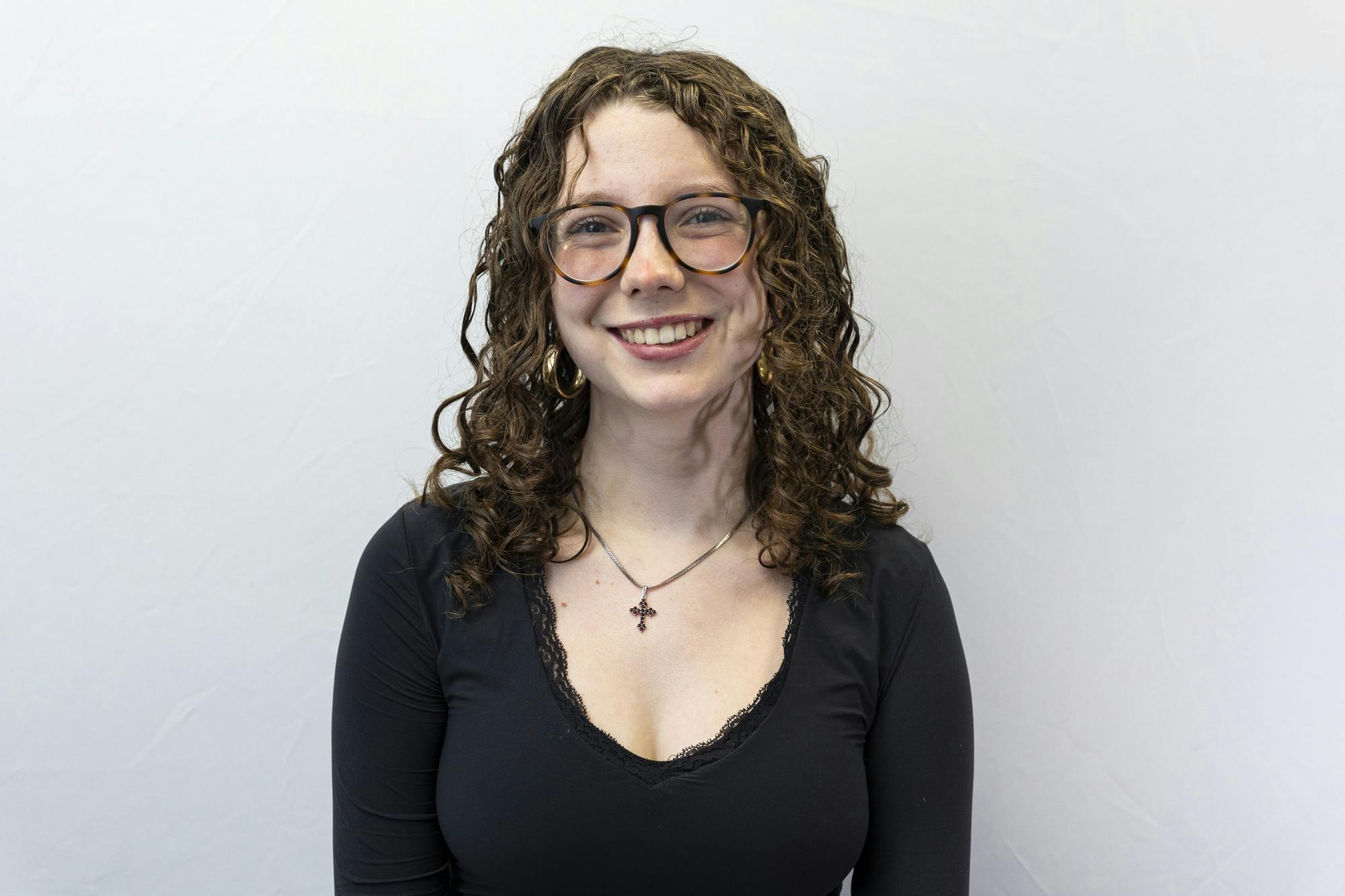
Grace Siener is a freshman studying Journalism at Ohio University. Please note the opinions expressed in this column do not represent those of The Post. Want to talk to Grace about her column? Email her at gs349725@ohio.ed / Grace.Siener


