Ohio Gov. Mike DeWine signed an executive order Aug. 10 that gives the Ohio Department of Behavioral Health the authority to create a certification program for addiction recovery housing operators to ensure quality of the homes.
After an influx of recovery houses in Ohio, Dewine made the order to create higher certification standards to safeguard against potential fraud, waste and abuse.
Current certifications acquired prior to the order will be reviewed by DBE for recognition and future requirements.
“ODBH assuming responsibility for certification of recovery housing residences will allow for the establishment of a standard that ensures Ohioans seeking recovery have access to safe, stable, secure living conditions, and that public resources supporting these services are managed with integrity, transparency and accountability,” the order states.
Per the order, ODBH has the authority to refer any recovery homes suspected of fraud, waste or abuse to the Ohio Attorney General’s Office.
According to the National Institute of Health, addiction recovery houses are “alcohol- and drug-free living environments that provide peer support for those wanting to initiate and sustain recovery from alcohol and other drug disorders.”
The number of recovery houses in Ohio has increased by over 400% in four years. In 2022, there were 356 recovery houses in operation in Ohio; today there are over 1,700, according to a press release from ODBH.
Kim Crum, community services manager of the Alcohol, Drug Addiction and Mental Services Board, or 317 Board, said the DBH has not yet announced any monitoring in Athens.
The 317 Board, which oversees Athens, Hocking and Vinton Counties, manages state and federal funds and allocates it to a system of mental health or substance misuse care providers that rely on their support.
“We are a pass-through for state and federal funds,” Clum said. “We do not provide direct service. What we do is plan, fund and do quality, kind of, maintenance or quality checks on our system of care and our network of care.”
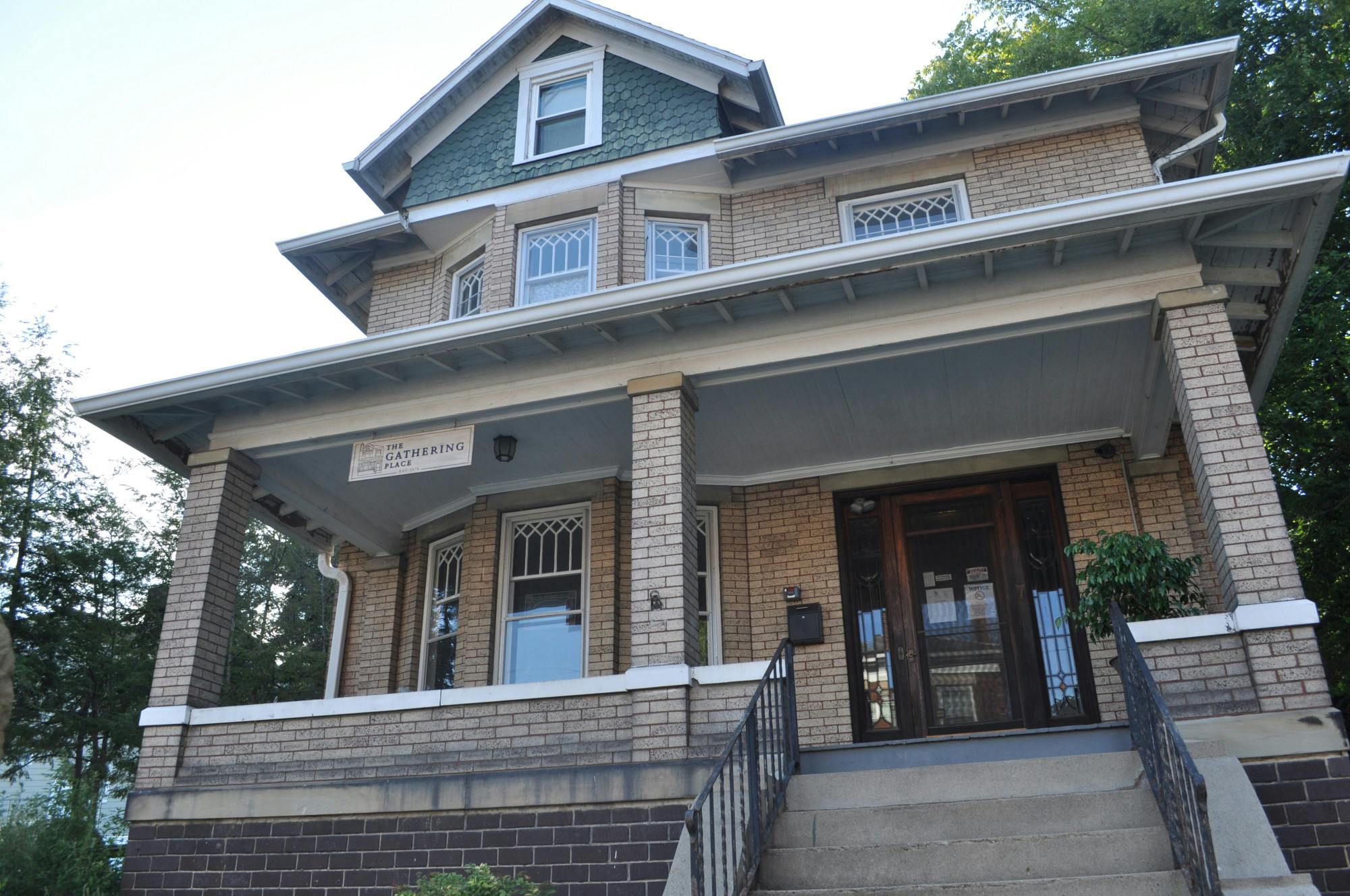
The 317 Board’s designates money to partners, including recovery houses, such as The Gathering Place, John W. Clem House & Briggs House and Women for Recovery - Serenity Grove Recovery House.
According to Clum, people who go through the network are typically referred to a less-intense program after completing six months of sobriety at a higher level recovery house. However, housing facilities are “almost always full.”
The Southeast Ohio region has historically experienced high rates of substance use disorder, specifically being plagued by the opioid epidemic. Years of intense manufacturing labor, coupled with high rates of poverty and limited access to healthcare, are main reasons why opioids are highly present in the region, according to the NIH.
From 2021-22, 18.3% of people age 12 and over in Ohio struggle with substance abuse disorder, which is 1.3% higher than the annual national average, according to the Substance Abuse and Mental Health Services Administration.
The 317 board also contains a board of 14 members between Hocking, Vinton and Athens counties.
“We really rely on the board members to help us be good fiscal stewards of our dollars,“ Clum states. “So we take a little bit and kind of make a lot out of that, and I think that’s something you see in Appalachia a lot.”
Jack Pepper, Athens City-County Health Department administrator discussed how Athens County specifically is attempting to reduce substance abuse and support recovery.
The Health Department created a harm reduction program, supported by federal grant money allocated for addiction response, according to Pepper.
“We oftentimes will have food giveaways,” Pepper said. “We have basic hygiene kits that are available to folks. We have on-site counselors. We have folks here that can get people into rehab.”
According to Pepper, many of the recovery housing facilities that have popped up are for-profit operations. He discussed why the executive order might help the state better manage the recovery housing sector.
“Any time that there is opportunity for healthcare reimbursement there are opportunistic organizations out there that see a space, fill the space, probably expand rapidly and as a part of that expansion, sometimes the details can get lost in the mix,” Pepper said. “And I think that this bill is being put into place to help corral and make sure that all of those details are responsibly managed.”