In the last year, Ohio University’s Army ROTC program has said goodbye to valued staff members and hello to an especially large freshman enrollment.
With odds against them, the Bobcat Battalion is getting by just fine, maintaining a top-in-the-state reputation by adding a new exercise course to its morning routine.
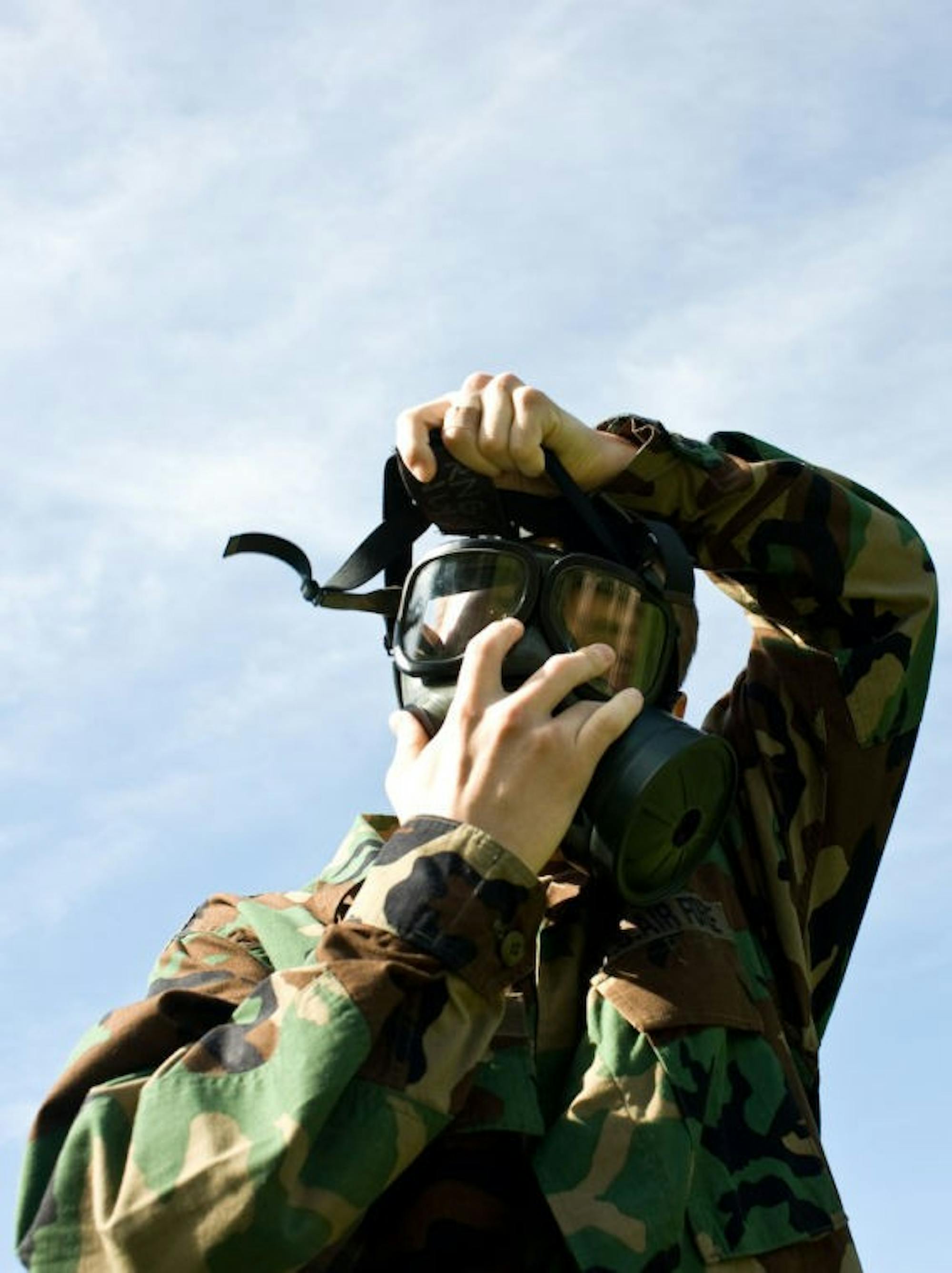
The cadets will now be running to West State Park on West State Street for physical training before most students wake up for their 8 a.m. classes. After years of being confined to OU’s Ping Recreation Center and The Convo, the cadets finally have an outdoor course to call their own.
“Prior to the park, we, as a program, had no facility that would accommodate both our growing numbers and our need to improve muscle strength and endurance,” said First Lt. Chad Apple, an OU military science instructor. “We needed something a little more suitable to what we do for physical training.”
For 10 consecutive years, the battalion has exceeded Army ROTC assessment scores in every event at the annual Leader Development and Assessment Course, the evaluative course for upperclassman ROTC students — an accomplishment only OU can claim.
A recent environmental scan conducted by OU’s University College also showed a 40 percent increase in ROTC enrollment from 2003 to 2009. The incoming class of 2015 alone will expand the program by about 30 percent, raising the number of cadets on campus to 142. Recent budget cuts, however, forced the program to eliminate its administrative assistant, the only position provided by the university.
“They’ve been operating on the leanest possible budget and even with fewer staff support from the university, they continue to meet and exceed targets,” University College Dean David Descutner said. “The Army has been very thoughtful and supportive with their own staff. They’re a very resourceful crew.”
Though it lost an administrative assistant, the program recently increased the number of students it must commission into the Army each year from 21 to 28 OU cadets. The U.S. Army’s Central Command, who calls the shots on all funding and staffing decisions in the ROTC, increased the “commission mission” to give the Bobcat Battalion additional resources, including scholarships, in response to their success, Descutner said.
The new, more than $3,500 training course was funded by carryover funds from last year’s University College budget, said Lt. Col. Joel Smith, a military science professor. Although not a full-sized exercise course, it will provide necessary outdoor facilities to help the battalion outperform 272 competitors in the Leader Development and Assessment Course, as it has in the last decade.
OU’s Army ROTC, University College and the City of Athens worked together to build the public course. After the battalion offered its services in a flag ceremony for Athens’ new Richland Avenue roundabout, the City of Athens employees offered free labor, equipment and materials such as concrete and ground covering.
“We had already been looking at areas to plug in fitness programs along the bike path,” said Athens Arts, Parks and Recreation Director Rich Campitelli. “It brings the West State Park yet another activity.”
OU cadets were eager to assist the small team of city workers, some of whom are Army personnel themselves, in building the course, sometimes dropping by to lend a hand four times a day, Campitelli said.
“The truth is, most townspeople have a very positive view of the university and most people at the university have a positive view of the town,” Descutner said. “When you manage to do something, materially, together, that really cements it.”
oy311909@ohiou.edu
@ThePostCampus