In 2024, when then-candidate Donald Trump ran for president for a second time, he appeared as a guest on the All-In Podcast hosted by Silicon Valley investors.
Responding to a question on high-skilled immigration, Trump promised to implement a policy that would automatically grant permanent residency to international students graduating from U.S. colleges.
Fast forward to 2026, and the Trump administration has done everything in its power to squeeze the legal immigration pipeline, effectively sending a message to international students they are no longer welcome.
It began with the administration’s effort to cap student visas at four years, a move blocked earlier this month by a federal judge. The government argued implementing the policy would “safeguard national security.” The judge said, “borders on the absurd.”
In August, the administration sent a memo to universities across the nation, seeking to restrict work authorization for international students pursuing internships.
"Failure to comply with SEVP regulations may result in an institution losing certification to enroll foreign students," the memo said.
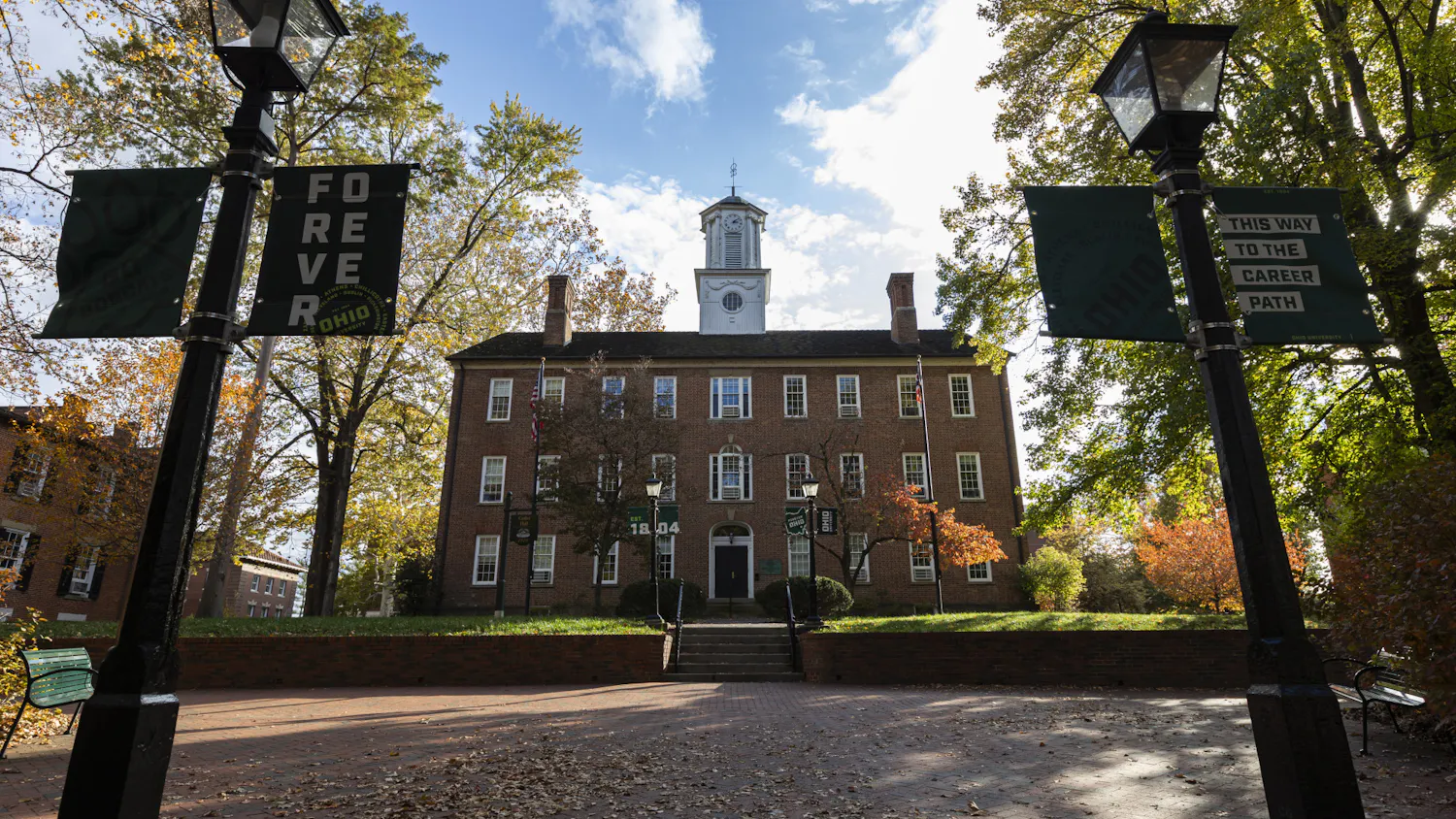
Several universities, including Ohio University, paused applications for work authorizations earlier this month, even though there was no change in immigration rules. A memo threatening consequences for noncompliance was enough to make universities fall in line.
International students, undergraduates and graduates alike, will not have the opportunity to intern at U.S. organizations next summer or gain relevant experience, leaving them at a severe disadvantage when applying for full-time roles. The job market, for international students or not, has been one of the toughest to break into in recent memory.
Internships are among the few opportunities students can lean on to gain meaningful industry experience and get a foot in the door. International students already face a handicap in securing full-time roles in the U.S., since few organizations are willing to sponsor work authorizations. Denying them the opportunity to even intern makes everything far more difficult compared with their U.S. peers.
However, it doesn’t end here. The administration is in the process of implementing a rule that would require companies to pay a six-figure sum to hire an international graduate, a move that flies in the face of Trump’s 2024 promise to retain the “best and brightest” international talent.
The impact of such poor policymaking has already led to a steep decline in international student enrollment. A report by NAFSA: Association of International Educators found “international students studying at U.S. colleges and universities contributed $42.9 billion and supported 355,736 jobs to the U.S. economy during the 2024-25 academic year.” In Ohio alone, the financial contribution stood at $1.3 billion and 10,736 jobs. On average, international students pay nearly 3 times more tuition than their U.S. peers, revenue that allows universities to subsidize costs for the broader student body.
The administration’s actions tell a story that contradicts its own rhetoric. A president who once sold this pipe dream, stapling green cards (permanent residency) to the diplomas of foreign graduates, is now actively leveraging the system to discourage them from enrolling at all: squeezing internships, threatening universities into compliance, and pricing out the employers who might otherwise hire them. The students caught in the middle are the same ones the 2024 campaign trail promised to welcome and retain.
Whether this approach reflects a genuine national security concern or a broader retreat from legal immigration, its immediate effect is measurable: Fewer international students, less tuition revenue subsidizing American classmates and funding research and a shrinking pipeline of the “best and brightest” talent.
Leela Gullapalli
Ph.D. student in journalism at Ohio University