The Southeast Ohio region has long been a beacon of coal mining and oil drilling. The region’s history of coal mining has posed intense environmental dangers due to abandoned coal mines and orphan wells.
According to an article by the U.S. Department of Agriculture, orphan wells are sites that companies once used as wells to drill hundreds to thousands of feet into the Earth. Once these sites stopped producing oil or gas, when it was unregulated, the companies would abandon the site.
The Ohio Department of Natural Resources has documented 6,805 abandoned underground mines, 6,449 abandoned surface mines and 11,572 orphan wells all within the Southeast Ohio region.
ODNR Press Secretary Karina Cheung said there are likely thousands more orphan wells that have yet to be located and documented.
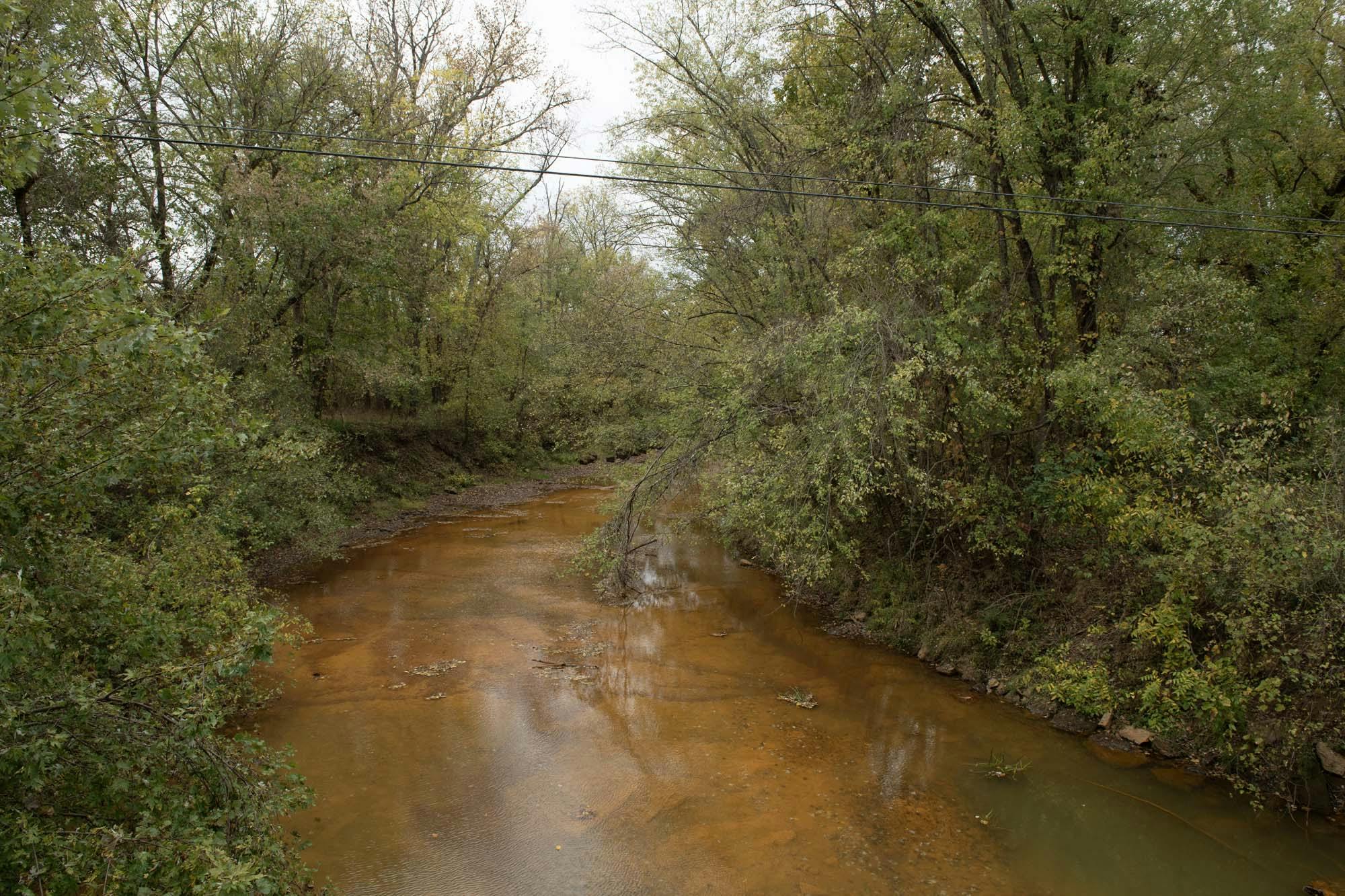
Abandoned coal mines contain poisonous gases, mine openings that could lead to a potential fall and injury, dangerous highwalls, hazardous waterbodies and acid mine drainage issues that impair local water systems.
The abandonment of these wells without proper closure opened the door to many dangers and environmental problems. According to the USDA, the wells can leak oil and brine, which can contaminate the surrounding water or soil and release methane gas, a greenhouse gas that contributes to climate change.
ODNR has led the charge on plugging these orphan wells and closing the abandoned mines with support from the federal government.
ODNR established the Orphan Well Program, or OWP, in 1997, which is designed to properly plug orphan wells across Ohio. The project has received federal funding from the Infrastructure Investment and Jobs Act.
Congress increased the funding for the process of plugging orphan wells in 2021, encouraging ODNR to continue its efforts at a faster rate.
According to Cheung, the OWP is led by the Division of Oil and Gas Resources Management and begins the process of plugging these wells by investigating them via drones or public reports, then analyzing them for their environmental dangers. They are then assigned a score based on how dangerous they are to the environment, and wells with higher scores are prioritized. The OWP then formulates plans to plug the well and has contractors bid on the projects.
Abandoned mines are managed through a state-led program called the Abandoned Mine Land Program. This program seeks out abandoned mines and determines if the problem will be eligible for funding, then works on designing the project.
“The design process involves obtaining mapping and surveys and then developing a plan for the AML problem that is cost-effective and does not require a lot of maintenance,” Cheung wrote in an email. “Project development involves working with the landowner and obtaining the environmental clearances involved within the National Environmental Policy Act (NEPA) process. Once the project is ready for construction, it will be put out to bid and awarded to the lowest responsible and responsive bidder.”
This state program is also federally funded through the Infrastructure Investment and Jobs Act, allotting up to $326 million for orphan well plugging through 2035 in Ohio, Cheung added.
In addition to both the state programs, the USDA leads its own project called the Orphan Wells & Abandoned Mines Project. The USDA’s project works as a precursor to the state programs. The program coordinates with other federal organizations to evaluate issues and coordinate plans for reclamation and plugging.
The abandoned coal mines and orphan wells are spread out all across Ohio, with many residing in Athens County. According to an article by the USDA, Wayne National Forest was once heavily mined, both underground and on the surface. Almost 22,000 acres of the forest were mined underground, mainly in the Athens unit. Additionally, nearly 20,000 acres of the forest were surface mined, evenly split between the Athens Unit and the Ironton Unit.
ODNR continues to fight for the plugging and closing of these environmental dangers, but recognizes it will be a long process.
“While our current funding is intended to eliminate all the AML issues in Ohio, the reality is that there will always be some AML issues to deal with,” Cheung wrote in an email. “There are new subsidence and acid mine drainage issues occurring every day.”
As more wells and mines are being discovered every day, ODNR asks locals to report any issues and dangers they might see.