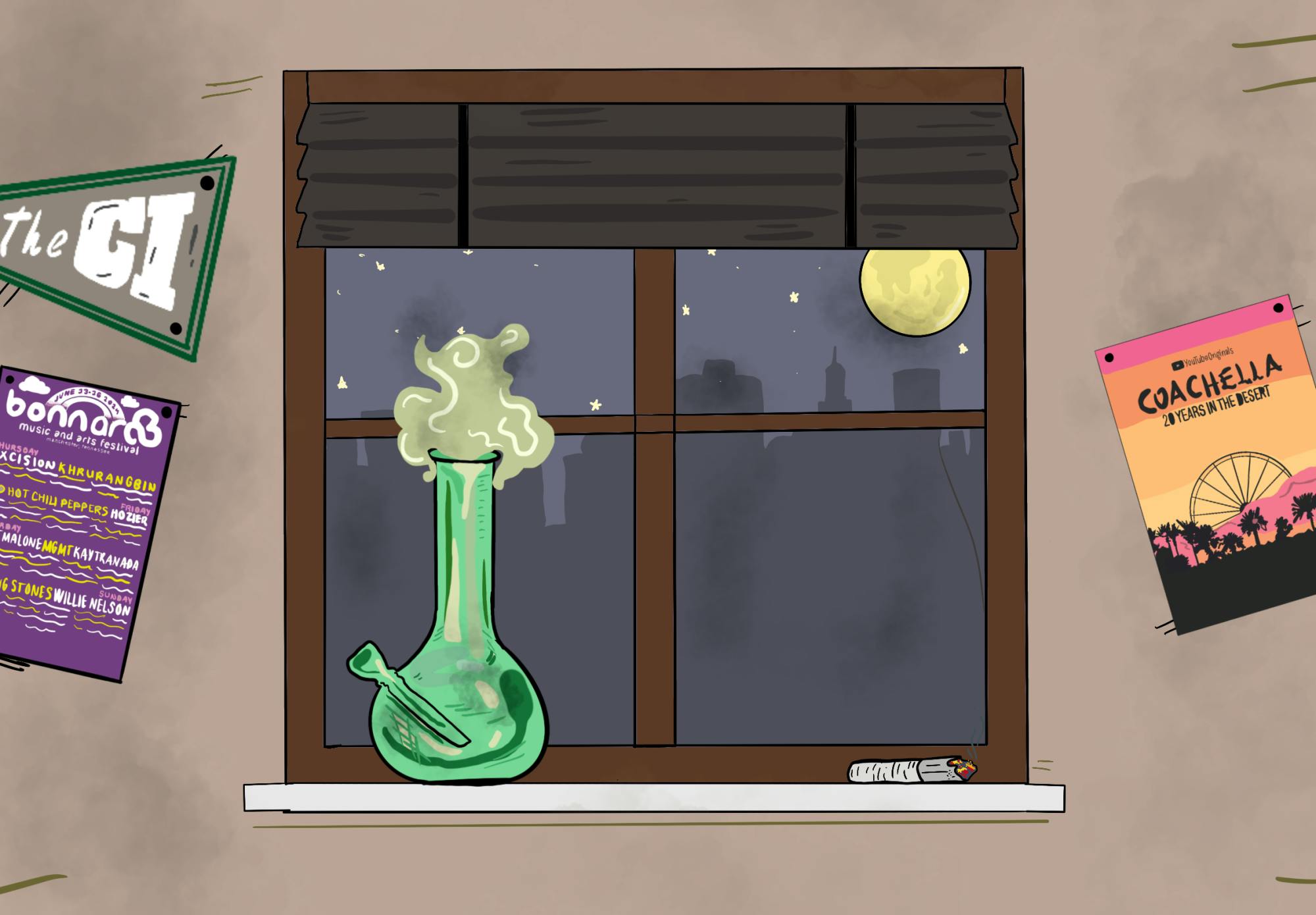
Let’s stop calling marijuana a coping tool; it isn’t. At best, it delays the pain; at worst, it intensifies. Coping means confronting stress, trauma and hardship in ways that promote growth and resilience. Marijuana may offer a quick escape, but the problems are still waiting once the high fades. By leaning on weed as a solution, users risk avoiding the hard but necessary work of actually dealing with what life throws.
Marijuana’s biggest trick is the illusion of relief. Stress, anxiety and pressure feel dulled in the moment, but those feelings never truly go away. Researchers at University of Oxford suggested cannabis use for pain relief; however, it makes pain more bearable rather than getting rid of it.
It is like putting a bandage over a wound without cleaning it. Though it might look better, the infection under the bandage only gets worse. A smoke session can make things feel lighter temporarily, but when the high wears off, the same struggles remain, often with more intensity than before.
Depression is one of the most common mental health disorders. According to the National Institute of Mental Health, an estimated 21 million adults in the United States report having at least one depressive episode. Studies have shown that there is an association between increased depressive symptoms and cannabis consumption in the general public.
This is where the cycle of avoidance begins. Stress hits, weed provides an escape, and then the stress comes back, pushing people to reach for the same ‘solution’ again. It’s not about addiction in the traditional sense, but about dependence.
Coping means facing discomfort, not dodging it. Therapy, journaling, exercise and genuine conversations all do the hard work of addressing root causes. Weed, on the other hand, just clouds them.
Leaving these feelings buried behind the flick of a lighter will only worsen the effects of previous mental health problems, as well as possibly conjuring up new ones. Overconsumption can lead to increased depressive states, which can cause decreased motivation or interest, especially in still-developing teens and young adults.
Overconsumption of marijuana can create a cycle where temporary relief slowly turns into dependence. What begins as an escape from stress may, over time, dull motivation and cloud judgment, leaving people less prepared to face difficulties directly. Instead of providing real comfort, excessive use deepens the very struggles it is meant to soothe.
It’s time to rethink what coping really means. True coping is not about escaping what we fear; it is about managing internal and external stressful situations. There are healthier outlets to help manage stress and anxiety without leaving much to be dealt with.
Engaging in self-care activities such as exercise, journaling and surrounding yourself with loved ones has been proven to reduce stress and anxiety.
Marijuana is not a coping mechanism; it’s a mask. The problems you’re running from don’t vanish in smoke; they only wait for you on the other side. Using real coping methods doesn’t mean struggles disappear overnight, but it does mean you’re moving toward healing instead of hiding. True strength comes from facing life’s challenges directly, not trying to burn them away.
BudPost is a cannabis opinion column that does not reflect the views of The Post.