

As artificial intelligence has advanced, important conversations are being had over its use in the music industry. Recently, numerous AI-generated songs and artists appeared on TikTok and even charted on music billboards.
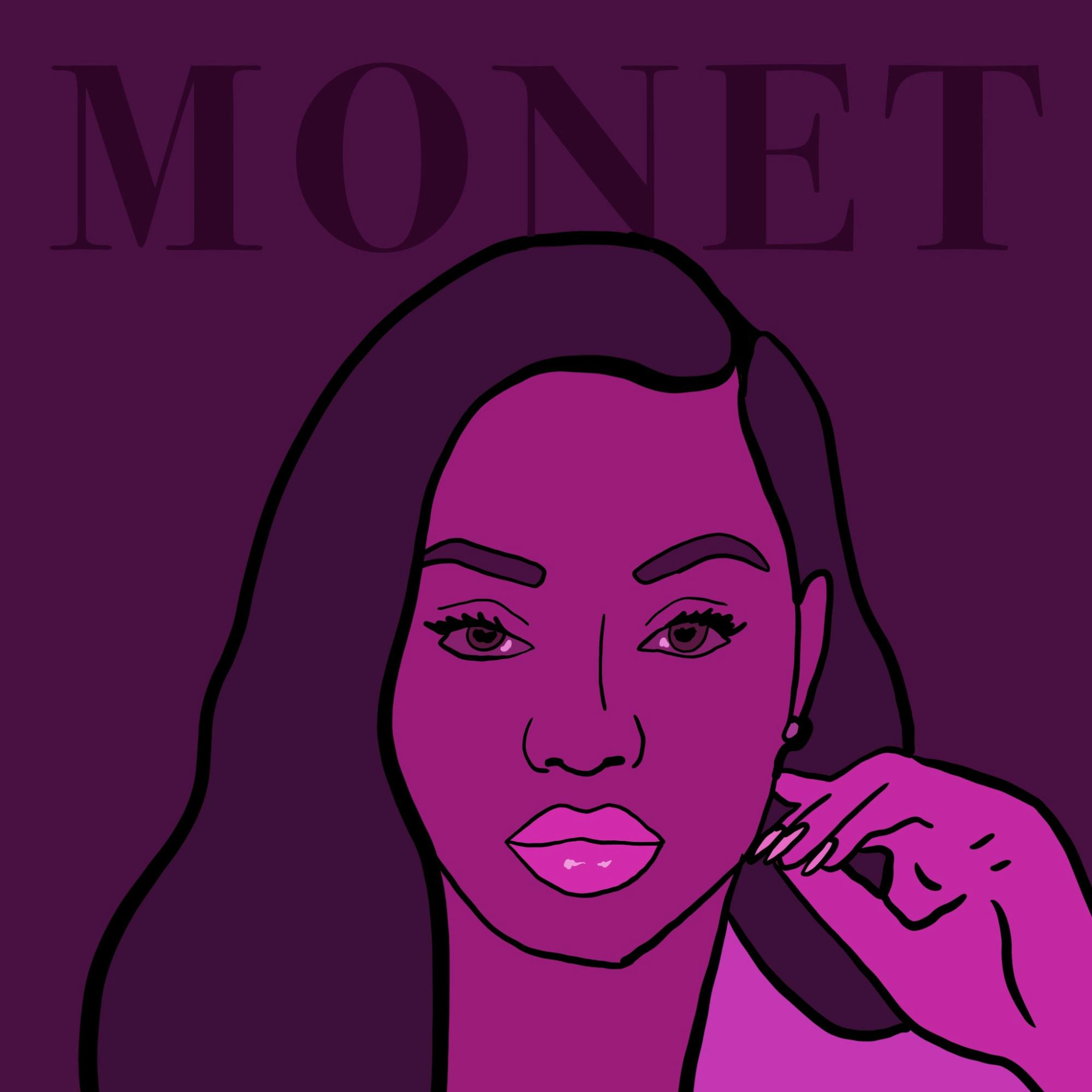
Recently, R&B singer Kehlani came forward about an AI-generated R&B singer, Xania Monet. Kehlani, who is currently enjoying her first top 10 on the R&B/HipHop Song charts, expressed her discontent in a recorded video posted by TheShadeRoom.
“This is so beyond ‘out of our control’ and nothing, no one on earth will be able to justify AI to me,” Kehlani said.
The controversy particularly hinges on the fact that the AI artist signed a $3 million record deal, despite the music not being sung by an actual person. The person behind Monet is Mississippi poet Talisha Jones, who is writing and entering those lyrics into an AI generator to “sing” them.
In the same post, R&B singer SZA responded to the news via her Instagram story. The singer expressed shock, disbelief and offense at the implications of AI music being valued over actual human musicians.
“I don’t f--k with this either, why devalue our music?” SZA wrote. “Something tells me they would not do this with another genre.”
SZA would go on to further elaborate on her stance against AI, expressing her disdain for the AI’s impacts on the environment, people and her displeasure with fans making AI recreations of her and her songs.
“People and children are dying from the harm and pollution that AI energy centers are creating,” SZA wrote. “A stupid photo is not worth polluting and harming underserved communities. Please know, every time you use or prompt AI, someone in a forgotten community is suffering. Eventually, the effects will reach everyone, and by then, it will be too late. Bless.”
This was in reference to the pollution Elon Musk’s AI supercomputer was causing in the Memphis community that lived near it.
As Monet’s music has gained traction, with it becoming the first AI-generated artist to be number one most added to a U.S. radio format, people have been sharing their thoughts on AI’s place in music.
“It's not lost on me they're doing this in R&B first. The genre they claim isn't profitable, and that they can't market. The genre is full of so many deserving black women hustling with beautiful pens (lyrical abilities) and REAL voices,” X-user @CDRADIO8 wrote. “This industry is run by art-hating, profit-obsessed sharks with no integrity.”
AI’s place in art and music has been a long ongoing debate, but the concept of “soulless artists” has predated generative AI’s rise. After the passing of musical titans such as Michael Jackson, Tupac and Whitney Houston, their images have been used for hologram concerts and performances, allowing them to perform their songs posthumously.
Labels can sign AI artists for multi-million dollar deals, and the money will either have to pass through fewer people or straight back into the pockets of the label heads, since they generated the music and art themselves.
Therefore, there’s no need to bargain with human artists over record deals, pay for equipment, pay artists for album covers or fund the music videos when it can all be artificially created. The usual middleman between the record label and the art is removed.
Other than the inability of AI to make autonomous decisions, a lot of AI art is a compilation of already existing art. Xania's vocals are reminiscent of Beyoncé, K Michelle and many other prominent R&B singers.
Pioneering 1990s-2000s producer Timbaland was recently under fire for what he calls “A-Pop” (AI-Pop) and his AI artist, Tata. Timbaland was in a related controversy when indie artist KFresh claimed his music was stolen to train Timbaland's AI beat prompts.
Consent is the common denominator in this discussion. Creating artificial artists from scratch eliminates actual creatives and their role in the decision-making process. Reviving dead artists through AI removes the dead artist’s ability to consent to the use of their likeness and art. Artists in general lose their ability to consent to their music being used by these artificial artists.
It also calls into question what real art is and whether the music industry will bypass human artists in favor of AI-generated artists and art due to the lack of limitations AI-generated artists have.


