

Ohio experts warn against the rise of a lethal synthetic opioid known as carfentanil. The substance is 100 times more potent than the synthetic opioid, fentanyl, which killed 48,422 people in 2024, and 10,000 times more potent than morphine, a non-synthetic narcotic.
According to the Ohio Bureau of Criminal Investigations, usage of the drug reached its height in 2017. However, usage is beginning to rise again, with 199 samples found so far in 2025, more than the last two years combined.
Out of these 199 samples, six of them were found in Athens County, and several others were found in the neighboring counties, including Meigs, Hocking and Washington.
According to Evan Wilkof, the community relations officer at the Ohio University Police Department, the area that would cover about 1/100 of the tip of a sharpened pencil is enough carfentanil to be lethal.
According to the U.S. Drug Enforcement Administration, most carfentanil seizures in 2024 were in pill or tablet form, whereas in the past, carfentanil was typically found in powder form. Experts believe the shift may be leading to an increase in overdoses from unintentional consumption.
Opioids are a class of drugs that are made up of natural, semi-synthetic and synthetic drugs that are used to treat pain. Over time, this class of drug has become the leading cause of overdose deaths in the U.S., according to the National Institute of Drug Abuse.
Wilkof explains that drugs such as fentanyl and carfentanil were developed as sedatives for large animals, such as horses, elephants and rhinos, making them extremely dangerous to humans.
“Most sedatives take into account the body mass and the composition of muscle and fat for the body,” Wilkof said. “Obviously, a large animal like that has a very different chemical makeup and structure than humans.”
According to data from Case Western Reserve University, in 2023, there were 4,745 drug-related deaths in Ohio, but that number was projected to decrease by 23% in 2024.
However, according to a previous report by The Post, opioid-related deaths have stayed consistent in Athens County, with 33 overdose deaths in 2023 and a number projected in the mid-30s for 2024.
Wilkof reports that although Athens County has seen those cases, the OU campus does not see many opioid overdoses and has never seen a case of carfentanil usage on campus.
In general, the Appalachian region has consistently had more opioid-related deaths each year than the rest of the U.S. In 2017, Appalachia had 72% more overdose deaths than the rest of the country due to successful opioid prescription marketing.
Berkeley Franz, a professor in the Heritage College of Osteopathic Medicine, highlights that the history might be why Athens County is seeing more carfentanil samples than other Ohio counties.
“If you look at the history of the opioid epidemic, it does have a very strong regional variation across the state of Ohio, with the southern part of the state in particular having higher opioid overdoses,” Franz said. “I think there’s a lot of poverty and other kinds of economic barriers here that are often related to drug use there.”
Franz also expressed concern over how a rise in carfentanil could affect the opioid crisis in Appalachia.
“It would be pretty devastating for carfentanil to rise in high amounts because it is just that much more potent and deadly,” Franz said.
Specifically, Franz expressed how dangerous it would be if the drug showed up in recreational drugs that are used by people who don’t have a tolerance to heavy opioids.
Franz also emphasized the importance of more harm reduction programs for average people and college students.
“People are going to use drugs regardless of whether these programs exist,” Franz said. “I don’t think people want people to die from drug overdoses or to get a serious infectious disease from drug use, so we have the tools to prevent it.”
Additionally, Athens County has several resources for those dealing with substance use disorder, including Athens Hope, which provides drug education and help to those struggling. The word “Hope” in the title stands for “Helping Overcome substance use disorder through Prevention and Education.”
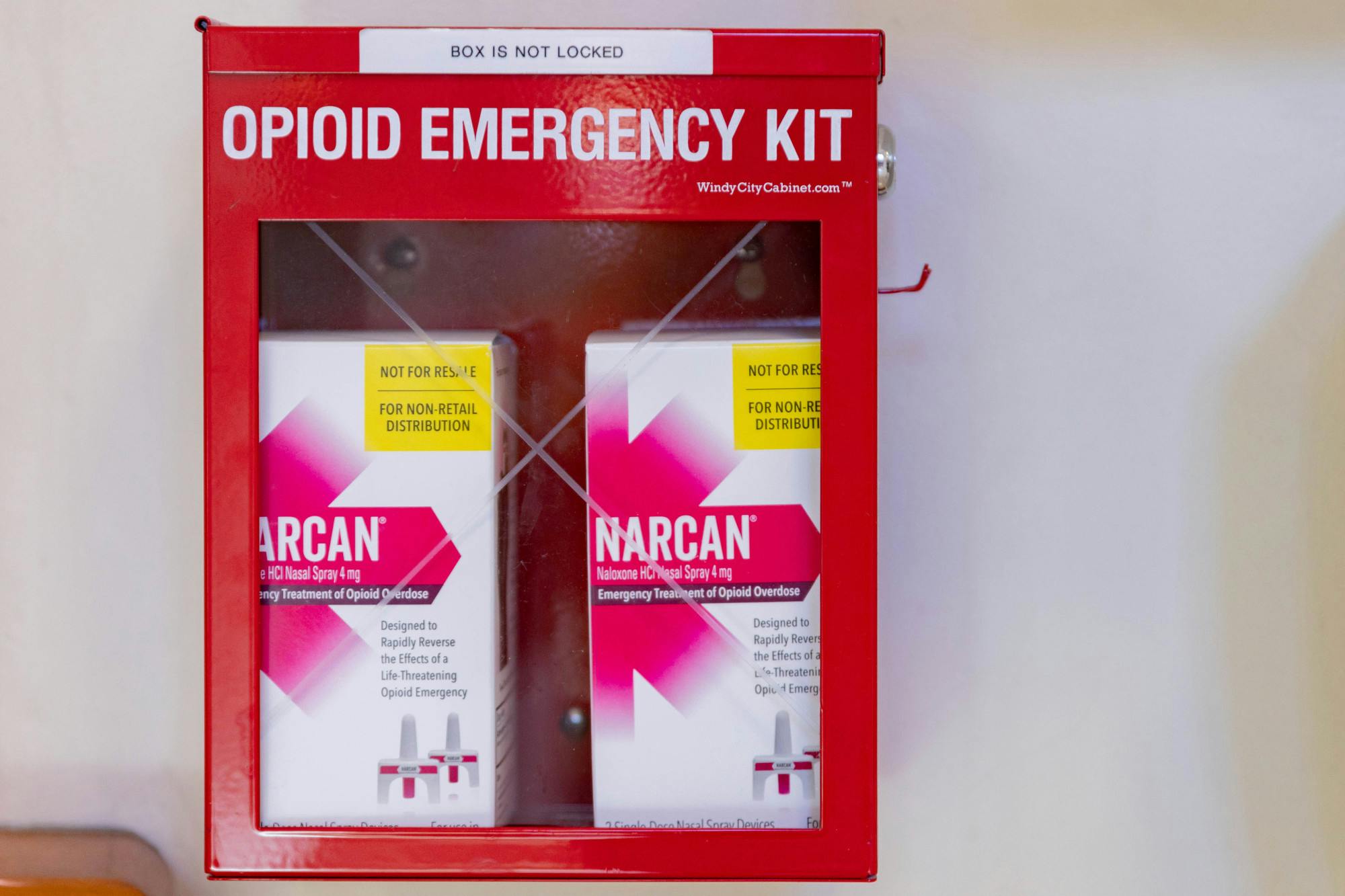
The Athens County-City Health Department also has a harm reduction program on Wednesdays from 1-3 p.m. and free Narcan open to the public, no appointment necessary.
Wilkof encourages anyone who thinks they see an overdose to call 911 and educate themselves on how to administer Narcan properly if they choose to carry it.
Symptoms of a carfentanil exposure include respiratory depression or arrest, drowsiness, disorientation, sedation, pinpoint pupils and clammy skin, typically occurring within minutes.


