The average adult makes around 35,000 conscious decisions each day, according to PBS. What’s hidden in each choice is the shaping of our unique authenticity, humanity and identity.
Passion, identity and risk are a few humanistic qualities examined in Nicholas Sparks’ “The Notebook,” despite its outward appearance as merely a sentimental romance film.
It’s easy to fall into the trap of mediocrity, believing a safe, predictable outcome in life is the best someone can expect, but Allie Hamilton and Noah Calhoun’s story shows viewers they should never settle.
The storyline transgresses time, following a young couple from different backgrounds who could never be together, yet somehow find each other nonetheless.
A main plotline of the story is Calhoun’s commitment to restoring a plantation home to its former glory over 14 years, always keeping Hamilton close by creating her dream home.
Memories are at the core of decisions surrounding identity in the film, with nostalgia and confrontation avoided at the cost of genuine happiness.
The strict decline in what we want and what we pursue comes with growing up. When the two first meet, Calhoun asks Hamilton what she wants in a dream house, and thus, the infamous line was born.
“I want a white house with blue shutters and a room overlooking the river so I can paint,” Hamilton said. “I want a big ole porch that wraps around the entire house, so we can drink tea and watch the sun go down.”
The story reveals a larger puzzle of identity and how it creates a portrait of choices, unfolding the square-shaped pieces of such a well-rounded human experience.
Fundamentally, our choices influence us. Even when those choices are difficult and risky to make at times, Hamilton shows viewers we should make them anyway, because the payoff of a vibrant life is worth the challenge.
I’ve recently been watching “Sex and the City,” reflecting on the larger themes of girlfriends, femininity and being bold. Overall, the romance genre tends to be undervalued for its celebration of empowerment, especially when taking risks and valuing passion.
In Season five Episode three, the great Carrie Bradshaw reflects, “Maybe there are some things worth gambling on. To hit the jackpot in the future, you might have to bet on where you are in the present.”
In a larger scheme of careers, jobs, relationships, grocery lists, bucket lists and more, emotion is what makes us human.
Although we frequently run away from what feels right, the everlasting story of love and passion between the couple shows how the risky choice, even in other contexts besides love, sparks true connection.
“Our brains are wired for self-preservation over self-actualization, naturally steering us toward what feels familiar and safe in the shorter term,” Forbes said. “But real transformation only happens when we decide to risk the control, certainty and comfort we have now for what we value even more.”
It’s a connection to identity, which shows how passion isn’t dangerous or impractical but a way of respecting yourself and those around you.
In a culture where burnout, performance metrics, algorithms, grades and resources influence how we live our lives, mediocrity is normalized. According to the National Institute for Health, metrics are a near-universal feature of the modern world, but they are most often poorly suited to the tasks for which they are used.
It feels like we have to work constantly to meet impossible standards instead of living a fulfilling life; the demand of the former makes the latter impossible.
Take, for example, the porch scene where Hamilton confronts Calhoun about his home in the newspaper. The scene examines how mediocrity and boredom push us to tiptoe around what we really want while remaining complacent.
“You’re bored and you know it, you wouldn’t be here if there wasn’t something missing,” Calhoun said to Hamilton.
One of the prime examples comes minutes later in the film, when Hamilton reads the letters Calhoun wrote her for 365 days following her departure, showing how her family's choices influence her perception of him.
“The best kind of love is the kind that awakens the soul and makes us reach for more, that plants a fire in our hearts and brings peace to our minds,” Calhoun said in one of the letters to her.
Although his argument is typically reviewed in the context of romance and Hollywood drama love, this love can apply to the little things, or passions in life we choose to accept into our hearts and identity.
My challenge to readers today is to take one thing you may not have been brave enough to take on, whether for fear of failure or judgment, and choose to try it.
Hamilton and Calhoun inspire us that our greatest love in life might be the life we build for ourselves when we are brave enough to choose passion.
With love and choosing passion,
Emily
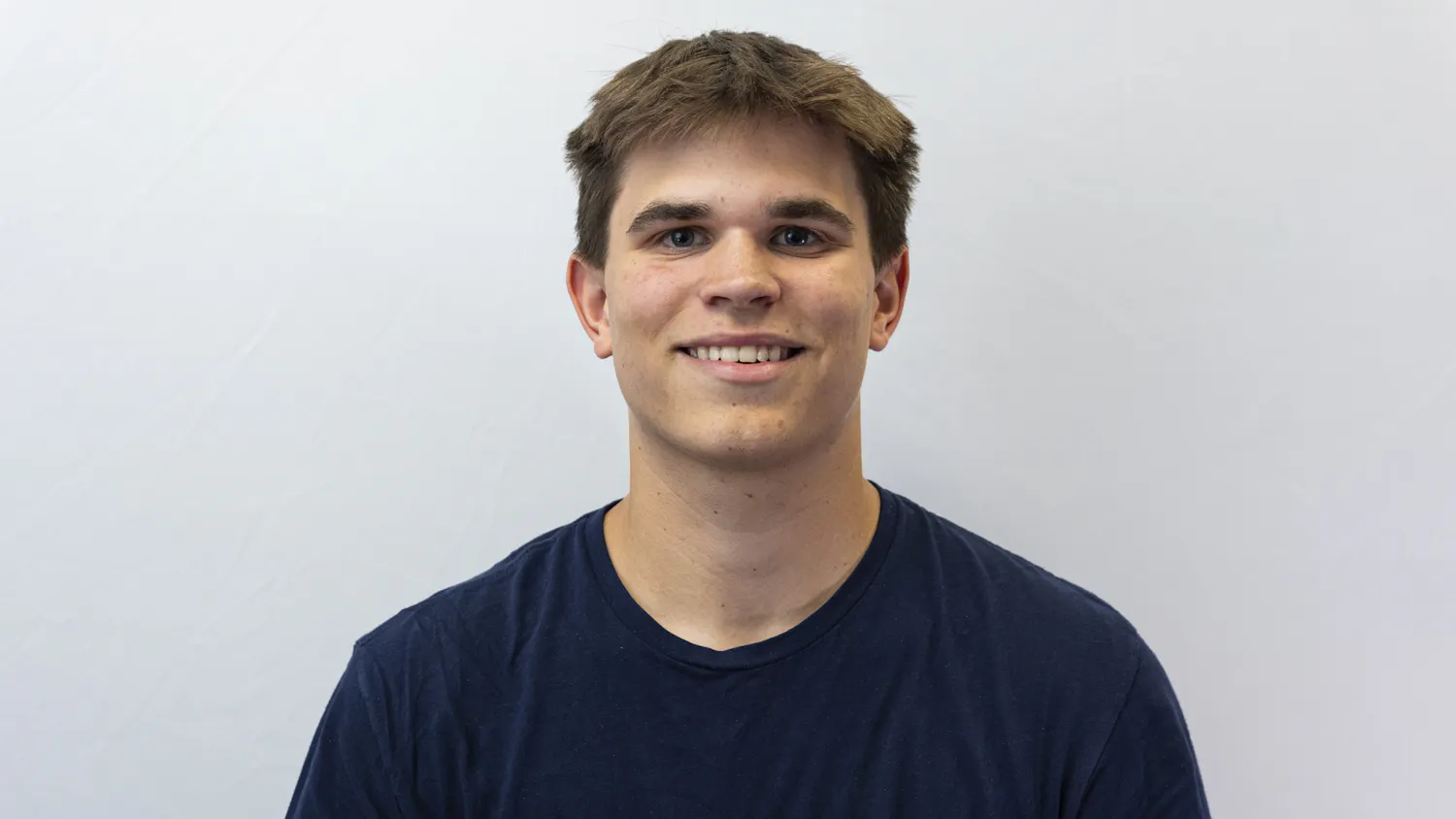
Emily Stokes is a junior studying journalism at Ohio University. Please note the views and opinions of the columnists do not reflect those of The Post. Have something to say? Email Emily at es542222@ohio.edu