

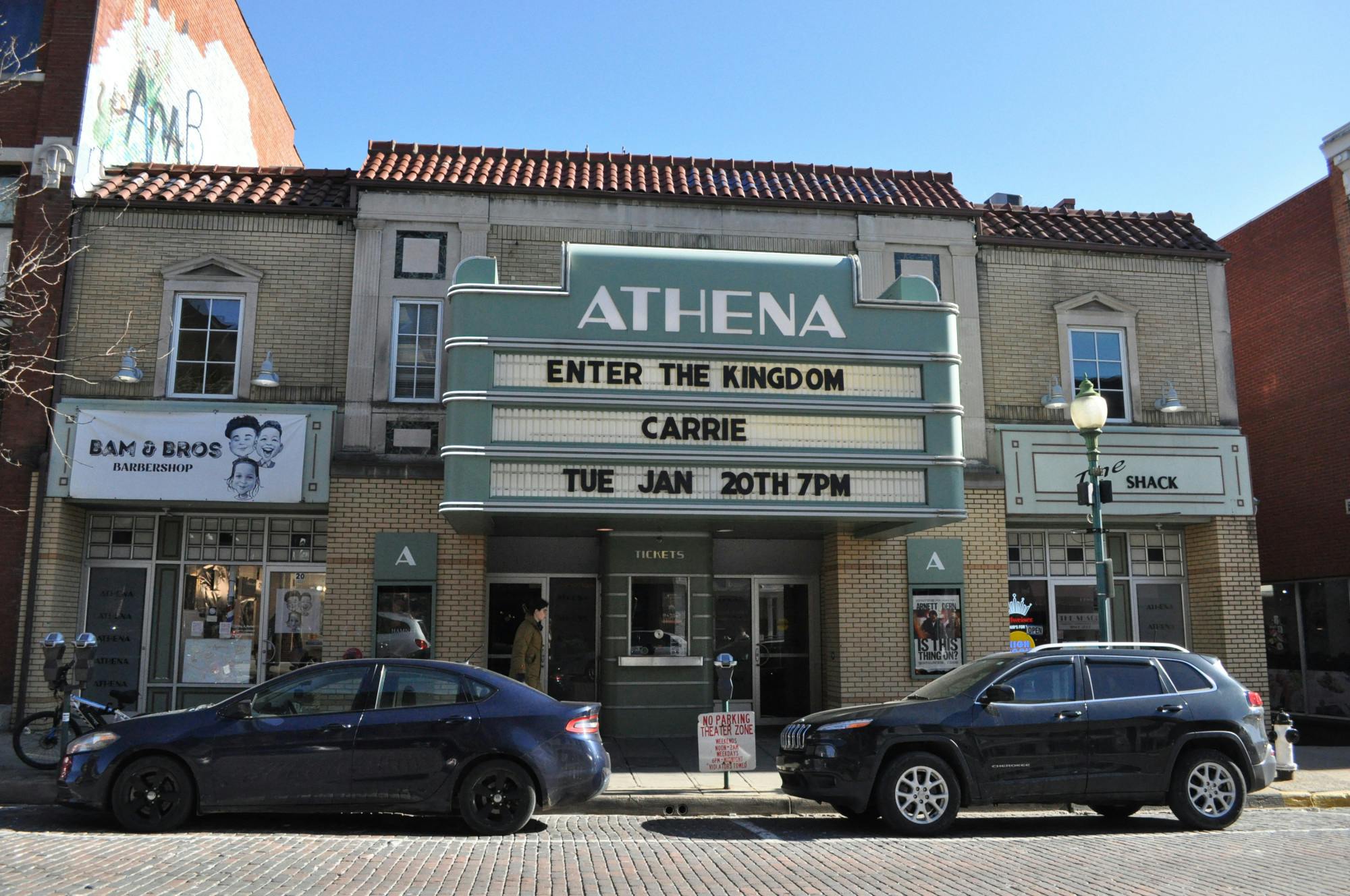
On Jan. 19, in honor of Martin Luther King Jr. Day, the Racial Equity Coalition of Appalachia and the National Association for the Advancement of Colored People of Athens County collaborated on a showing of the 2024 documentary, “Ain’t No Back to a Merry-Go-Round.”
The documentary follows the picketing at Glen Echo Park in 1960. On the outskirts of Washington, D.C., it was one of the most popular amusement parks of the early 20th century; however, the park was segregated.
The documentary focuses on all the phases of the picketing at the park. The audience is first introduced to students from Howard University who were key to the movement. Henry “Hank” Thomas and Dion Diamond were two of the main sources of information in the documentary. The documentary team also interviewed Helene Wilson, a white Jewish student who joined the movement.
The movement got its start with sit-ins of drug stores, specifically Woolworth’s. After those sit-ins worked, the students decided to aim higher and set their sights on Glen Echo.
As the students organised, they formed the Nonviolent Action Group, more commonly known as NAG. This group began picketing Glen Echo during the summer of 1960.
One of the things that made the documentary so powerful was the use of archival photos and video. The footage showed the struggles and efforts that were put in by the NAG.
The documentary then focuses on the neighbouring communities to Glen Echo. One of the communities was the white community of Bannockburn. This community, which had many people of Jewish descent, including some Holocaust survivors, was very much in favor of the desegregation of Glen Echo.
Although the documentary does not focus on the responses of neighboring Black communities as much, it is made clear that many of these community members in the area did join the effort. This includes some members who walked two miles to join the protest.
The protest started growing day by day with support from both the Black and white communities in the area. One of the most striking images of the documentary was a capture of a counter-protest by the American Nazi Party.
This moment of the documentary clearly captured the hatred that the Nazi Party members showed. They clearly hated both the Black and Jewish picketers, and hated the collaboration between communities.
Many of the members involved in these protests continued on a legacy of activism, which is the topic in the final portion of the documentary. Both Thomas and Diamond became involved in the following years’ Freedom Bus protest. Diamond became a Civil Rights activist for a long time, was arrested over 30 times and was the target of many assassination attempts, one of which he discusses in the documentary.
Thomas fought in Vietnam, where he won a Purple Heart, and then became an entrepreneur who has reinvested the money into scholarships and other financial opportunities for young Black students.
The documentary makers were unable to talk to the leader of the picketing, Laurence Henry, since he passed away in 1980. Henry was a 26-year-old Divination Student at Howard University, and with his age and major, assumed a leadership position. However, with later comments he made against a bill signed by civil rights advocate Senator Joseph S. Clark Jr., he was voted out of his leadership position. He did continue to picket, but this dampened his connection to this project.
“Ain’t No Back to a Merry-Go-Round” gets its title from Langston Hughes’ 1942 poem titled “Merry-Go-Round.” Overall, this is a powerful documentary of the allyship and strategic location of this movement. The sources they spoke to all had incredibly moving stories about their involvement and understanding of the pickets.
This is a powerful and often untold story that kicked off many similar movements. It is a great film to understand more of the Civil Rights Movement, the history of protesting and the legacy of Dr. Martin Luther King.


