

On March 18, The New York Times broke a story detailing sexual assault allegations in relation to a well-known labor and civil rights leader, Cesar Chavez. Dolores Huerta, who co-founded the United Farm Workers of America with Chavez, also shared a statement on Medium detailing her own experience with sexual assault and coercion by Chavez, which resulted in pregnancies.
News like this is disheartening and vile any time of the year, but especially so during Women’s History Month. It has shown me once again why social, civil and revolutionary movements must be fundamentally intersectional.
In an ABC News interview, Huerta is asked if speaking up would have hurt the movement, and she answers, “Absolutely. Can you imagine? … Convincing the farmworkers themselves that they had the power to build their own organization was very very hard.”
This story reminded me of ex-Black Panther Eldrige Cleaver, who went to prison for several different crimes, including serial rape of several white women in the late 1950s. In his book, “Soul on Ice,” he claims the rapes were “insurrectionary,” and he justified them because he was “... defying and trampling upon the white man's law." He also admitted he’d “practiced” on Black girls in the ghetto before targeting “white prey.”
Though Cleaver acknowledged later that these rapes were wrong, damage had been done to those women. After that, he joined the Black Panther Party and was then expelled for other reasons. His marriage to fellow ex-Panther Kathleen Cleaver also became abusive.
In many ways, these two events are connected; the male figures or members in these parties and groups leveraged their power in the group or misconstrued their own politics to subject women to cruelty. It’s particularly interesting when it happens in social, civil and revolutionary movements where you’d expect there to be more social and moral understanding.
The concept of intersectionality during the peak of many significant movements was unpracticed. An intersectional analysis means recognizing the multitude of ways oppression and privilege create a range of experiences.
Before third-wave feminism, it was hard for women of color to have a place to state their grievances and personal goals, without being made to feel like they were threatening movements. They felt this way with the predominantly white feminist movement as well.
In “Age, Race, Class, Sex,“ Audre Lorde, a poet, essayist and activist who discussed intersectionality and injustice frequently, said “I am constantly being encouraged to pluck out some one aspect of myself and present this as the meaningful whole, eclipsing or denying the other parts of self.”
Many women like her found it hard to voice grievances against issues such as rape, abuse and misogyny within movements predicated solely on race and class. This dynamic also inadvertently made men the predominant faces of those movements and made the politics of those movements susceptible to misogyny and other forms of bigotry.
When we separate issues of race, gender or class into neat categories, it ends up silencing people whose experiences are at the center, especially women of color.
Had women’s issues been woven more effectively into the values and politics of these movements, many of these abusers would not have been at the helm of these movements or would have been condemned. Women who faced hardship or abuse in these movements could have spoken up sooner if they did not feel like their voices would cause harm to the movement.
The effects of flattening these experiences or divorcing the issues of race and gender are also why so many iconic women leaders associated with race and class movements aren’t recognized for feminist work.
For example, most people only know Rosa Parks for giving up her seat in 1955, which led to the Montgomery Bus Boycotts, but rarely acknowledge her work on the Recy Taylor case 11 years prior. She was the NAACP’s chief rape investigator and launched “Committee for Equal Justice for Mrs. Recy Taylor” to advocate for Taylor, who was gang-raped by six white men. Despite not winning the case, this is still a footnote in history that should be told.
When we flatten the complex and multifaceted politics and work of women leaders, we also contribute to one-dimensional advocacy and do not fully recognize how movements can serve a range of plights. When we bury names like Taylor in the larger story of advocacy work, it diminishes the range of people who can see themselves as worth being advocated for.
Huerta advocated for so many and was the backbone of a movement that made strides in civil rights, yet she suffered alone, feeling as though her own issues could not also be advocated for.
Organizing for the issue of race should not make you susceptible to sexism, advocating for feminism shouldn’t make you susceptible to racism and so on. The goal should always be to foster an environment where your activists, organizers and peers are safe and heard.
Some people may have a hard time reconciling how a man who made such great progress could also hurt others. Ultimately, there are a range of takeaways from these allegations, but mine is that we can move forward and build more inclusive, intersectional and safe movements built on a range of experiences, politics and morals.
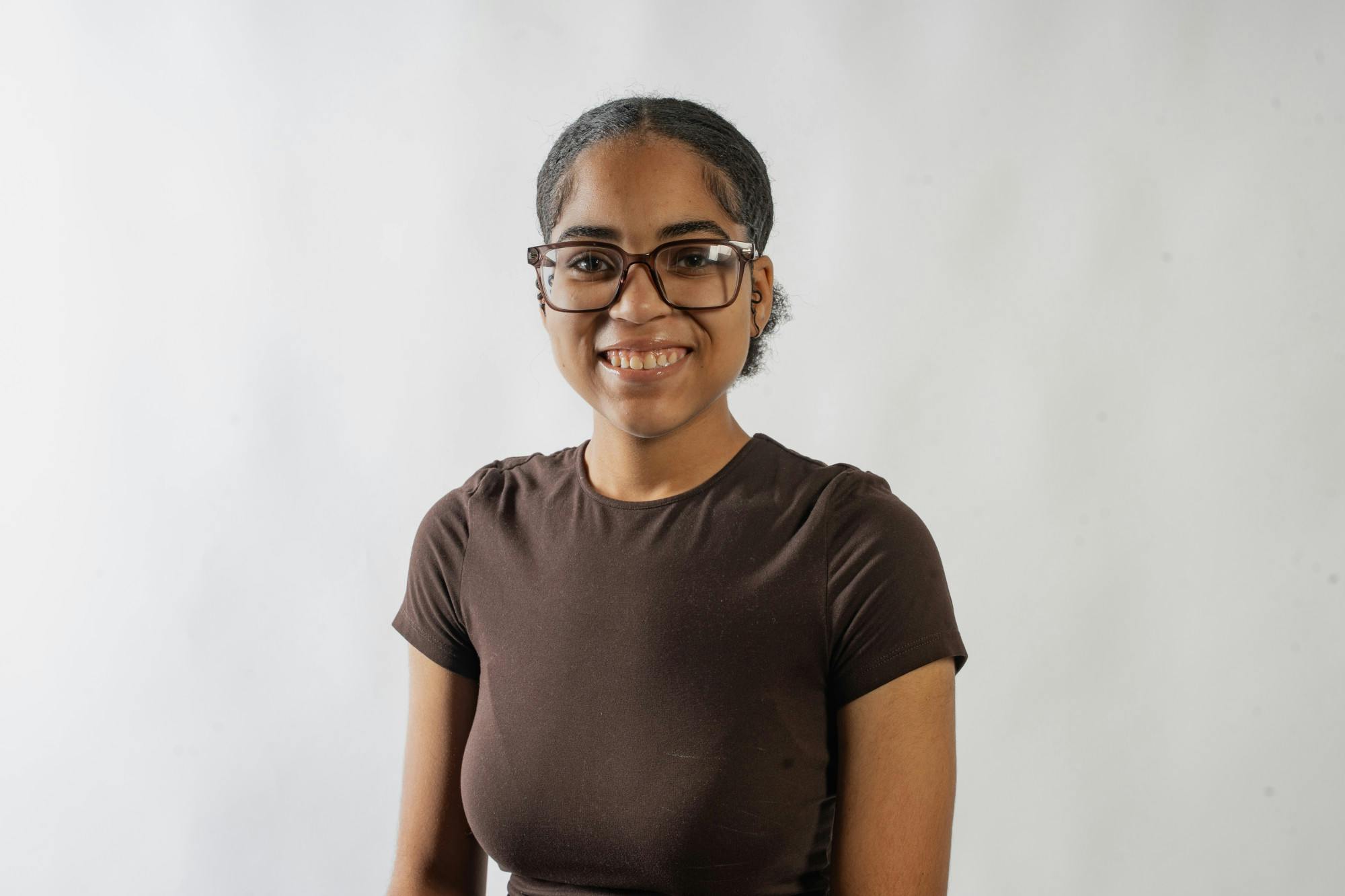
Dawnelle Blake is a freshman studying journalism at Ohio University. Please note the opinions expressed in this column do not represent those of The Post. Want to talk to Dawnelle Blake about their column? Email them at db948724@ohio.edu


