In Appalachian Ohio, where geography, transportation and funding often limit access to behavioral health care, organizations are trying a different approach: connecting the systems already in place, rather than building new ones.
The Appalachian Children’s Coalition, a nonprofit working across 32 Ohio counties, focuses on linking providers, schools, community groups and local agencies to help families access support more efficiently and strengthen existing resources.
“We really want to be a servant to those who serve kids, and that means I don’t think we should ever be doing anything on our own,” Randy Leite, executive director of the ACC, said. “Everything we do, we should have partners and collaborators.”
The strategy comes as behavioral health needs remain high. During the 2023-2024 school year, 30.9% of children in Ohio experienced behavioral health conditions, with Athens County reaching 41.4%, according to Appalachian Ohio Child & Family Health Data.
Rather than creating standalone programs, the coalition works through partnerships. It formally collaborates with 70 groups and maintains about 500 relationships with local organizations, including health providers, schools and community coalitions.
In a region where resources are often limited, leaders say coordination can be as important as expansion. By helping communities share information, funding opportunities and successful ideas, organizations in Appalachian Ohio are working to stretch limited resources while adapting to local needs.
Leite said the network allows the coalition to expand its reach far beyond what it could accomplish alone. On its own, the organization might host a single prevention conference. Through partners, it can help support multiple events, trainings and initiatives across the region.
Some of the work includes school health projects, workforce development efforts, community events and professional trainings aimed at supporting children and families.
“There are mental health boards, public health departments and Family & Children First Councils in every county, and they do a good job of bringing together people in those counties,” Leite said. “What we can really do is help connect people in Meigs County with people doing similar work in Trumbull County, which is a four-hour drive, but we’re in both places.”
Local leaders said those connections can create opportunities that might not happen otherwise.
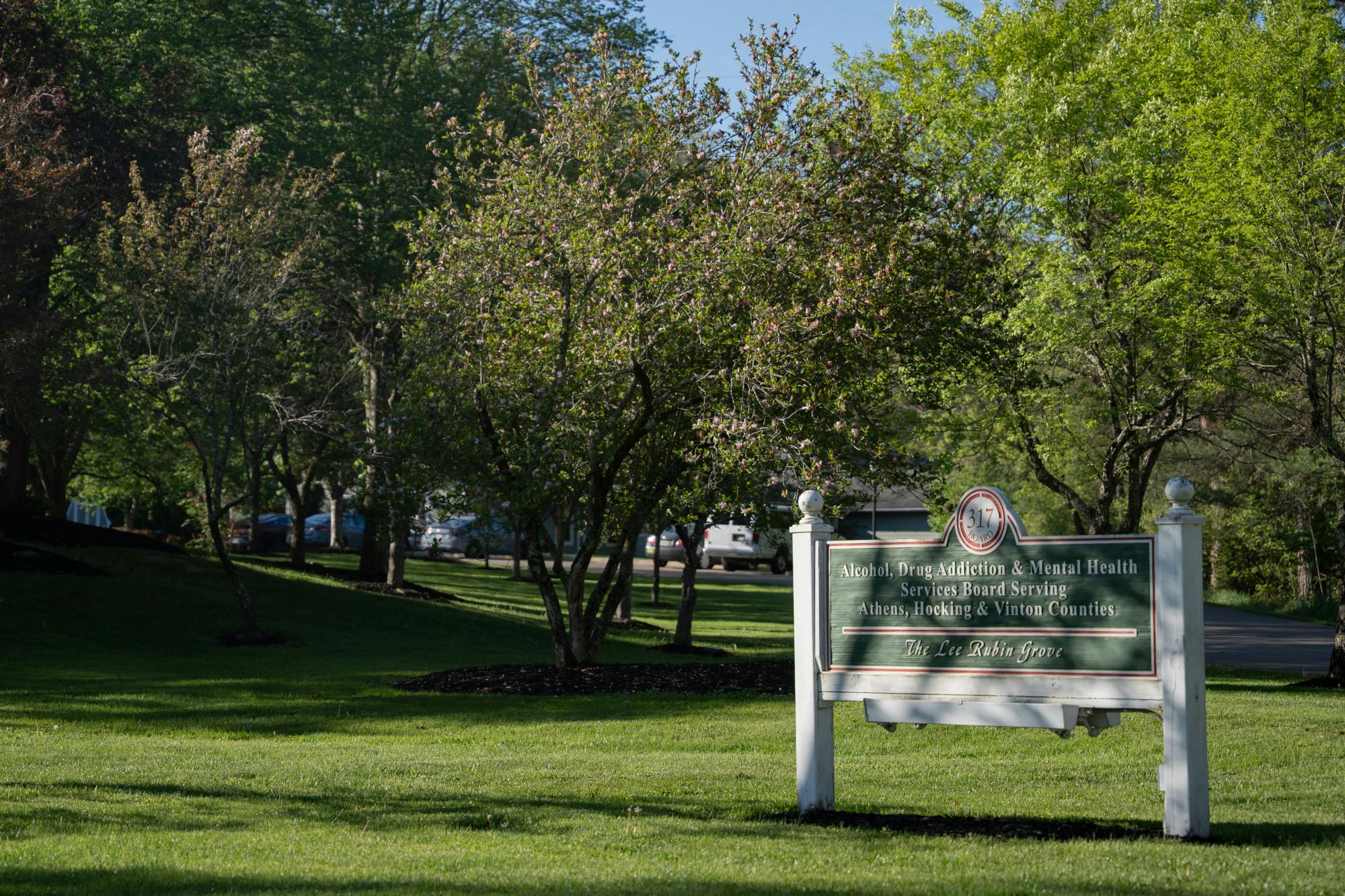
Diana Pfaff, executive director of the 317 Board, said her organization partners with 30 groups to fund 60 programs and invest in behavioral health services.
For organizations like the Tomcat Bridgebuilders, regional collaboration has helped expand opportunities for students.
“The Dairy Barn Exhibit Voices and Visions highlighted our Trimble students and gave them an opportunity to get on stage and read their stories to a bigger audience,” Becky Handa, president of the organization, said. “At the closing event at the Dairy Barn, there were professionals in the audience that seen them, which led to an invitation to the 2025 Ohio Prevention Conference in Columbus.”
The coalition also works to bring funding and usable data into the region. It created a dashboard with 260 health indicators, ranging from food insecurity to mental health trends, helping communities identify needs and support grant applications.
“(The ACC) was tremendously impactful with the (American Rescue Plan Act) funding and getting all those rural school health clinics up and running,” Pfaff said.
Some indicators show gradual progress. The number of mental health providers in Appalachian Ohio has increased to 710 per 100,000 people, rising by 189 since 2019.
Leaders said collaboration has also helped attract funding into the region.
“I think our main gift is that we have a lot of funding to put back in the region,” Erin Space, senior director of programs for the ACC, said. “We’ve drawn a lot of money into the region, and what we’re using it for is to support programs and things that already work out there.”
Even so, collaboration has not eliminated the structural barriers many families still face.
“People who are not in the Appalachian Region are able to receive these services because in bigger metropolitan areas, you have public transportation and you have more options,” Garcia said. “In the more rural counties in Appalachia, there isn’t a lot.”
Transportation, broadband access and funding continue to shape what care looks like in the region. Telehealth expanded options during the COVID-19 pandemic, but internet access is not universal. Broadband access in the Appalachian Region is 86.2%, below the national average of 89.7%, according to the Appalachian Regional Commission.
Additionally, finding financial support to expand treatment remains an ongoing challenge.
“We have the services, we have the staff, we have the commitment and we have the longevity of the community of providing this care over the 50 years that we’ve been in existence; however, the funding to be able to support that piece is what is a very definite gap,” Ellen Martin, director of operations for Health Recovery Services, said.
Leite said improving behavioral health outcomes often requires addressing broader conditions in children’s lives.
“You can provide a child access to behavioral health, but if they go home every night to a house with no food in it, they’re going to have problems,” Leite said.
Across Appalachian Ohio, collaboration has become one way organizations are trying to stretch limited resources while improving access to care. But leaders said each county faces different challenges, meaning no single model can solve every problem.
“Each community is unique,” Garcia said. “What is going on in Athens may not work in Meigs … just really sitting and listening a lot to what these communities are.”