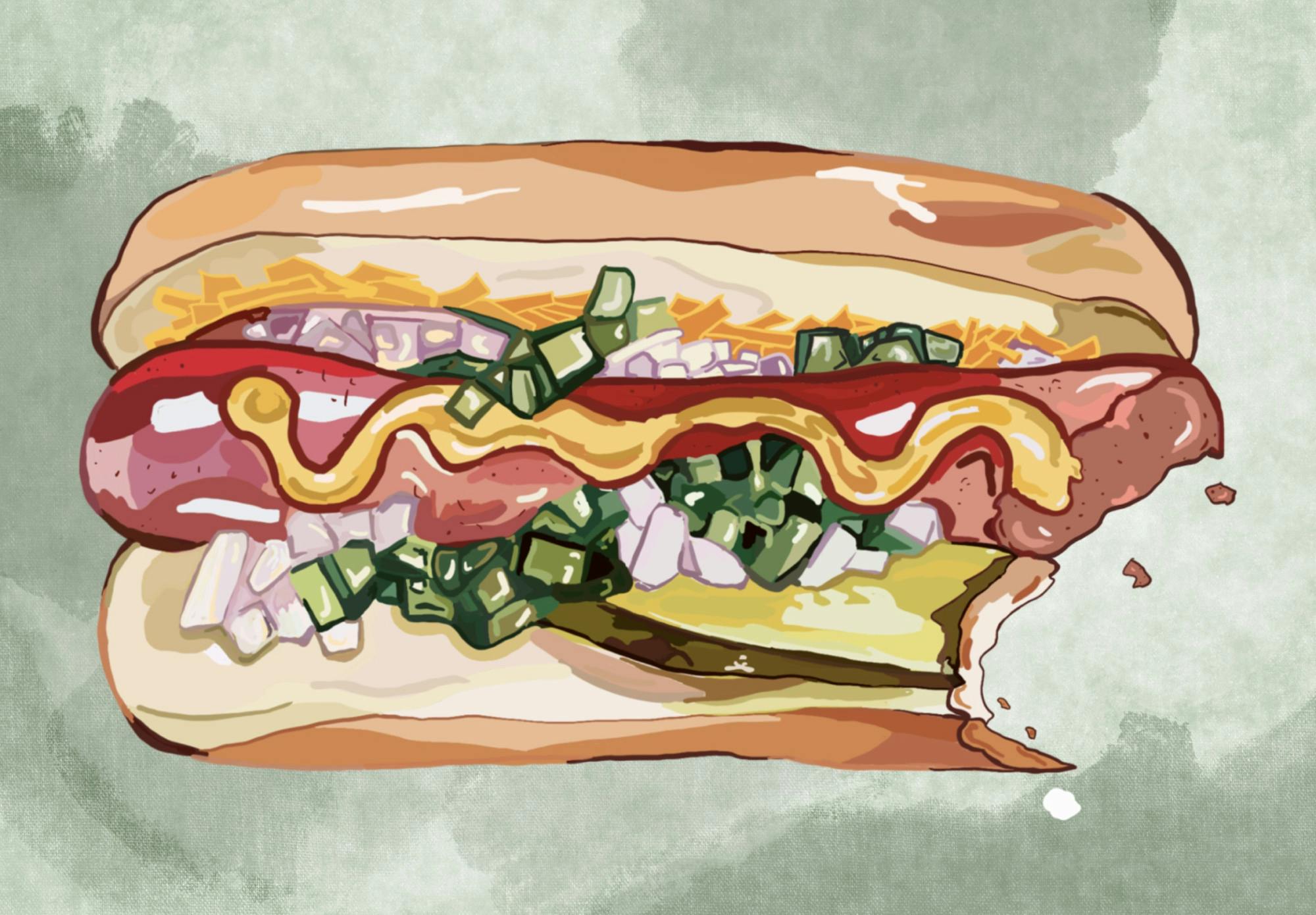
Mukbangs captivated the U.S. netizens in 2015, introducing content creators who put competitive eaters to shame. The genre of online content showcases one or more people eating copious amounts of food in one sitting. Usually, they involve ASMR or extreme emotional reactions to food, which has made it popular amongst the genre’s consumers.
A niche segment of South Korean content has now gone global and allows viewers to discover new foods, satisfy a craving or enjoy the virtual social dining experience. Although many enjoy these videos, they may be a new source of concern for mental health.
The problem with mukbangs is the concern that it causes disordered eating. 56% of viewers use these videos to suppress their intake of food. In a study by the University of Melbourne, participants watched 10 minutes of mukbang videos and reported that after watching the videos, there was a decrease in disordered eating urges.
Being exposed to mukbangs can reduce the impulse to indulge in food, but that doesn’t make people feel great. A loss of appetite is usually caused by something unpleasant.
This study found that watching mukbangs lowered eating disorder impulses, including overindulgence, making this study the first of its kind. However, the study found that the reaction to mukbang videos can differ by gender and other influences. Impulsivity is the leading factor in the viewer’s eating habits being affected by mukbang videos.
On the flip side, the mukbang creators often struggle or go to extreme lengths with their health. Mukbang YouTuber Nicholas Perry, known online as Nikocado Avocado, has gained a significant amount of weight as a result of his content over the years. He said that it was for engagement, so it “wasn’t that serious.”
Yet Perry was always criticized for overeating in his content and was labeled online as a creator of feeder content. This type of content can be gratifying for certain online groups who enjoy watching people eat and gain weight. People online assumed Perry was continuing to “eat himself to death,” but really, he was on a shocking weight-loss journey.
In 2024, Perry released a video titled “Two Steps Ahead,” where he talked about his impressive editing skills to trick viewers while he was losing weight. This move plants a checkpoint that shows a shift in mukbang and diet cultures.
With new mukbang creators entering the online space, including user Jelly Bean Sweets, the genre stays relevant, but the health of the creators may soon become a priority.
Creator Tiffany Magee, known online for her healthy work lunches called “Tiffany Plates,” prioritizes her health. It’s clear that viewers enjoy the ASMR aspect of the food crunch but also become inspired by the health aspect of her content.
Other content creators have spoken out about adjusting their health behaviors when creating content surrounding food. Keith Habersberger, known for working with “The Try Guys,” hosts an online series titled “Eat The Menu.” Habersberger sits down on camera, tries the entire menu of restaurants and rates it. He has been candid about how he has been able to maintain his weight despite high-sugar and greasy foods.
Habersberger said he is able to maintain his weight because of his metabolism and records only one video a month without eating anything prior to the recording. He also mentions that the series is a great incentive to have a fitness routine.
Perry has a similar schedule and only records one mukbang video a month.
“I don’t think I’ll ever go back to eating that type of food and that quantity of food frequently,” Perry said.
Despite the health steps these creators take, large consumption of mukbang videos has been associated with eating disorder symptoms. Disordered eating is a serious mental health issue and often goes overlooked. It’s important to reflect on why one watches this content, and to engage carefully with what is posted online.
If you or someone you know struggles with disordered eating, there are many resources available through Ohio University, including a referral to OhioHealth Campus Care or nutritional counseling with Dietitian Louise Cruz.
More resources off campus include the Eating Recovery Center, which can be reached at 866.419.2367, and Charlie Health at 866.540.1622.
@cassieefsc