Ohio Senate Bill 294 proposes changes to Ohio’s energy production by defining the state’s energy policy as prioritizing affordable, reliable and clean energy sources.
SB 294, currently sitting in the Senate committee, promotes “clean energy sources” across the state. A “clean energy source” is energy generated by nuclear reaction, using natural gas and domestic production, as introduced in the bill.
Primary sponsors, Sen. George Lang of District 4 and Sen. Mark Romanchuk of District 22, defended the bill in October in the Senate Energy Committee by claiming it will continue to promote Ohio’s role as a top producer nationally of natural gas.
“In 2023, Ohio had the seventh-highest total natural gas production, third-lowest natural gas prices and tenth-highest total energy production in the United States,” Lang said in his testimony. “These data points are encouraging and signal a growing, robust energy infrastructure that will power Ohio to become the economic engine of the Midwest once again. However, our state can still stand to improve.”
Romanchuk followed Lang’s remarks by stating the bill defines “affordable energy using true cost accounting, preventing subsidies from artificially inflating the affordability of certain forms of energy.”
President of the Heartland Institute, James Taylor, said in the second hearing in November that SB 294 is necessary because renewable energy sources are unable to support the energy needs of Ohio.
He said SB 294 is necessary because many coal and gas plants have closed or plan to close in the coming years, citing recent closures including Dayton Power & Light shutting down its J.M. Stuart and Killen coal power plants in 2018, American Electric Power shutting down its Conesville coal power plant in 2020 and First Energy shutting down its Sammis coal power plant in 2023.
“None of these closures are operationally necessary, but are politically driven,” Taylor said in his testimony. “Such closures mean Ohio will need to build even more new power facilities to meet growing demand.”
Shayna Fritz, executive director of the Ohio Conservative Energy Forum, opposed the bill during the third hearing Feb. 10, citing concerns that it would limit the free market in energy.
“This is really just about making sure that when it comes to energy policy, we’re trying to keep in mind that free markets exist, property rights exist and trying to limit as much government intervention within this area,” Fritz said. “This bill is taking us in the entirely wrong direction of that.”
In her opponent testimony, Fritz said SB 249 would harm families, businesses and the Ohio Conservative Energy Forum’s ability to meet growing electricity demand. The Ohio Conservative Energy Forum is a group that advances conservative ideology principles in energy policy.
The bill calls for energy sources to have a minimum capacity factor of at least 50%, meaning the production of energy is at least half of what the plant can produce. Fritz expressed worry that the capacity factor in SB 294 will harm energy growth in Ohio.
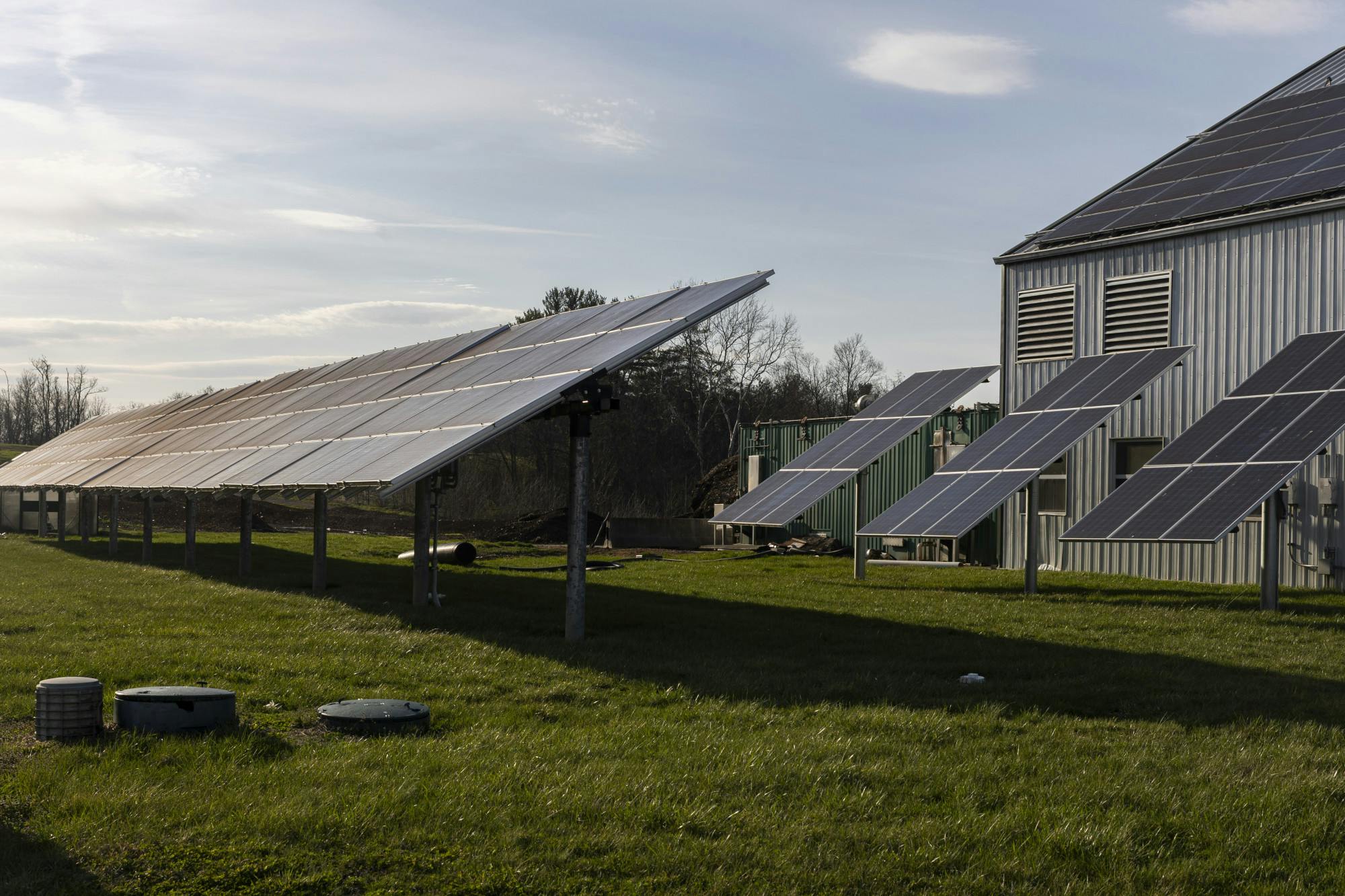
“It's designed to specifically exclude solar and wind, and in the grander scheme of things, reliability isn't about just one metric,” Fritz said. “It's about how different resources work together across the day.”
According to a study from Boston University, renewable sources like wind and solar have low capacity factors. By having a minimum capacity factor of 50%, the new bill will exclude wind and solar, Fritz explained.
According to the U.S. Energy Information Administration, in 2024, the capacity factor for solar energy was between 23.2% and 25%, and the capacity factor for wind energy was 34.3%.
Evangaline Hobbs, deputy director of Eastern Region State Affairs at American Clean Power Association, gave an opposition testimony highlighting the cost to consumers if Ohio passes the bill.
Hobbs pointed out that, with rising energy needs, Ohio cannot afford to limit its energy portfolio.
“We must proactively include renewable energy alongside other resources,” Hobbs said in the testimony. “Excluding renewables from the definition of ‘reliable energy’ undermines the state’s ability to meet future demand and weakens grid resilience.”
SB 294 remains in committee, and there are no future dates set for hearing testimony.