

The way business often works makes it difficult for anyone to get their feet off the ground with their own creative works. To get any funding whatsoever, you need to have a company behind you shelling out money — and they won’t do that unless it will make them plenty of money back, which usually involves them telling you what to do.
Cue crowdfunding. Crowdfunding is defined by Forbes as "the practice of funding a project or venture by raising many small amounts of money from a large number of people, typically via the Internet."
For example, Zach Braff financed a movie through Kickstarter.
Through doing this, he was able to have freedom in casting and keep the script he had written without having a company tell him what to change. Crowdfunding allows people to find an audience before the product is even completed, and it assures profits, something companies have never truly discovered how to do.
This incredible feat of technology and community has also taken its turns for comic value. The potato salad that had a goal of $10 received over $55,000, since everyone and their dog thought it would be funny to donate. With the potato salad's stretch goals such as $250 to go towards "Better mayonnaise (from the natural foods section),” what started as a joke turned into a news story that spread like wildfire.
Of course, there are cons: the creator could make something that disappoints the donors completely. The creator could deceive the donors. However, the success stories of crowdfunding are so many, even including people who have gotten out of abusive home situations due to crowdfunding, that it seems to be something that will continue for a long time.
The pros of crowdfunding seem to heavily outweigh the cons.
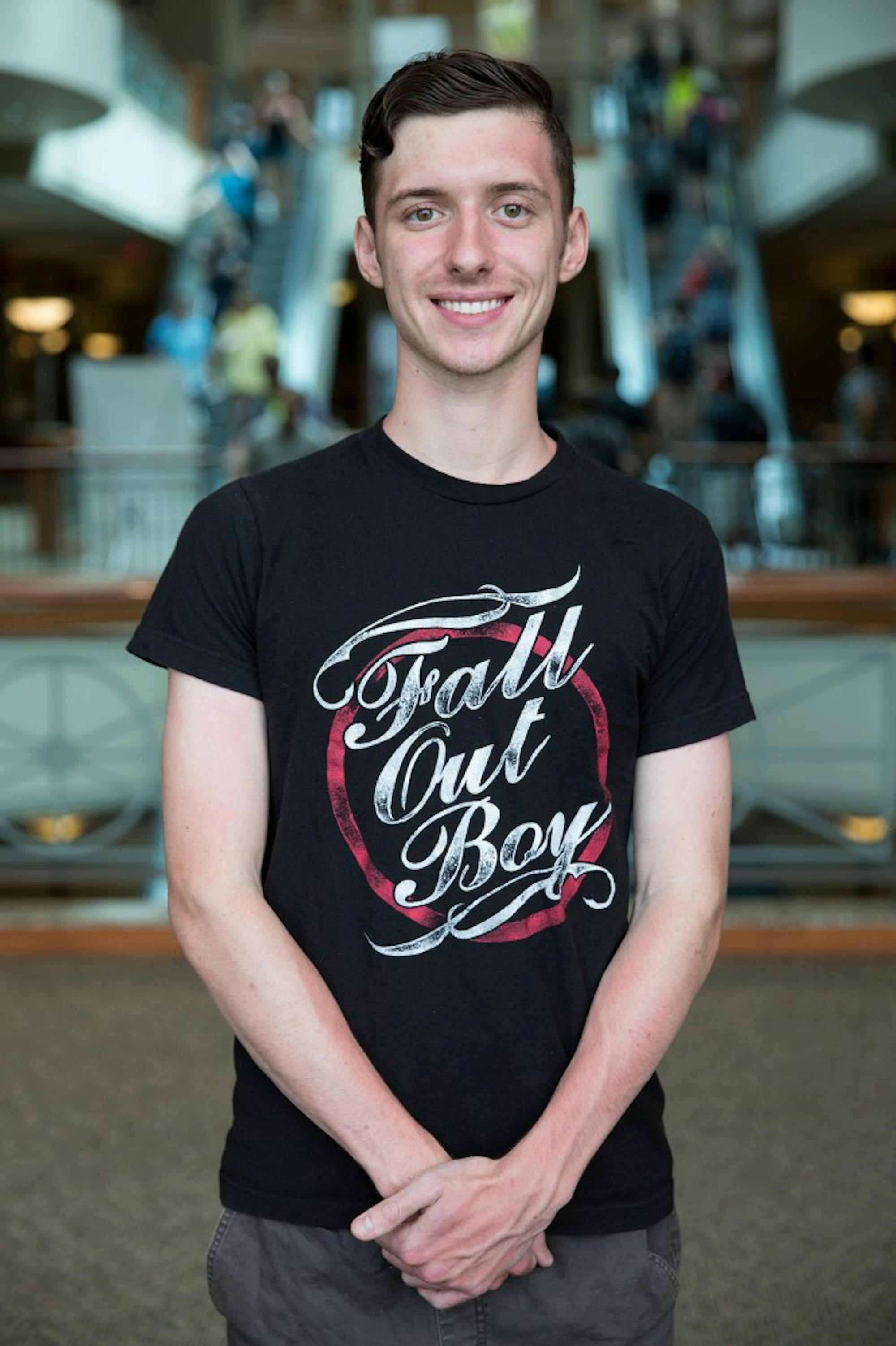
Marco Omta is a sophomore studying music production. Please note that the views and opinions of the columnists do not reflect those of The Post. What do you think of crowdfunding? Email Marco at mo183714@ohio.edu.


