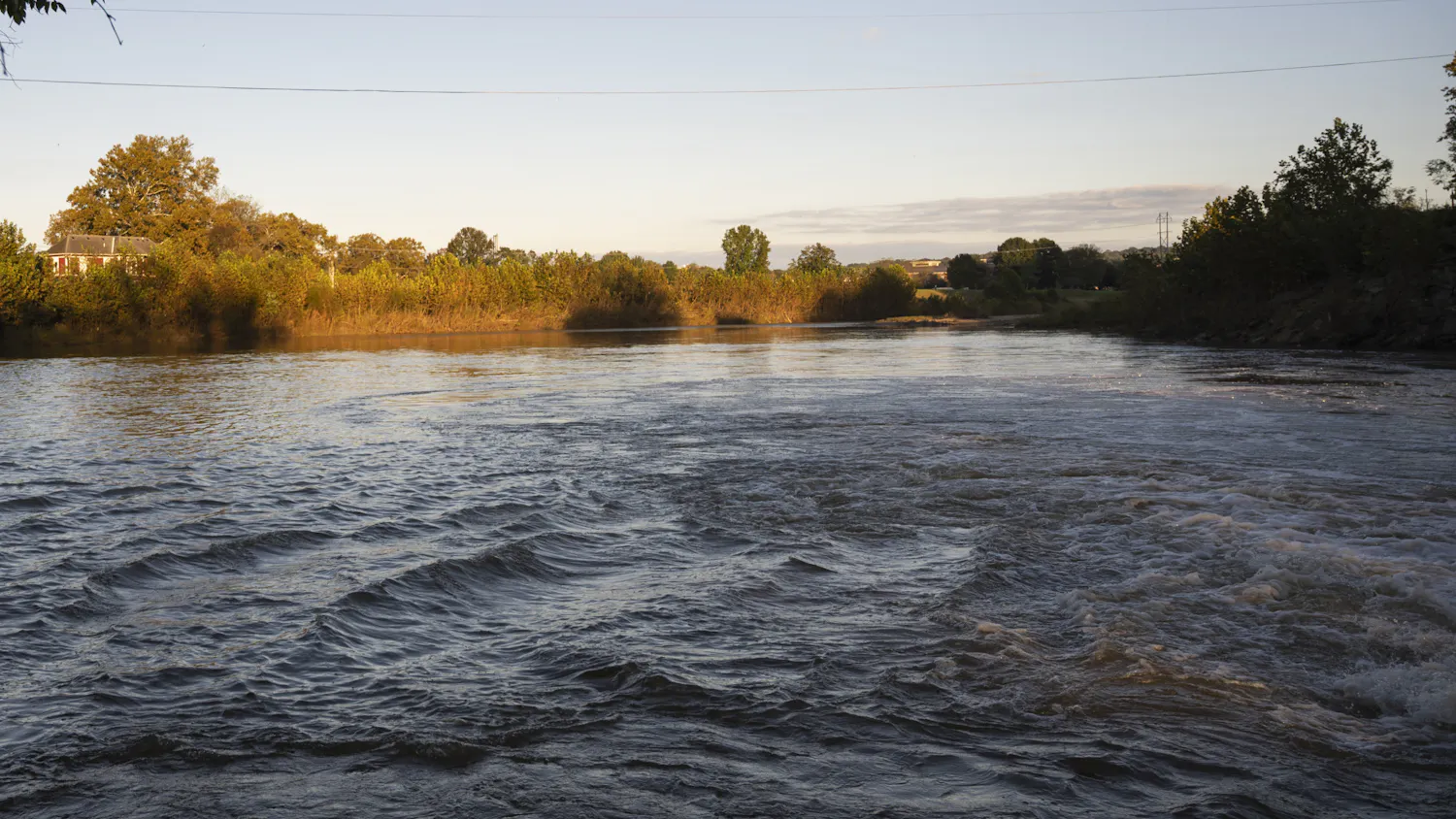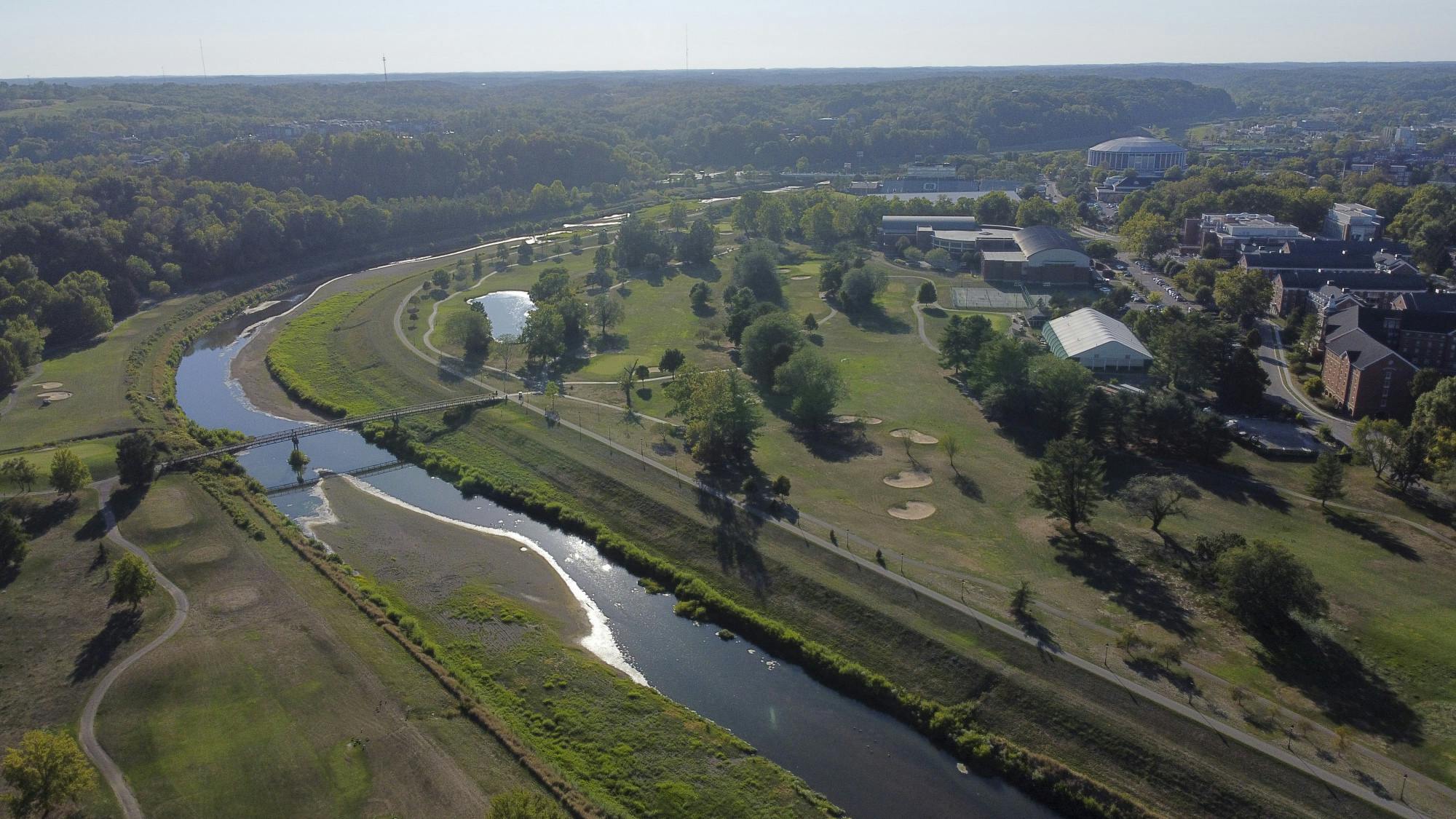
A significant and unprecedented drought affected Southeast Ohio during the summer of 2024, which is causing stress for future climate trends this summer.
The recent drought is considered to be the most intense in Ohio in 25 years, attaining an Exceptional Drought level, or D4, on the U.S. Drought Monitor, according to the State Climate Office. The drought took a large toll on agriculture, livestock, water supply and locals.
“We had fairly dry conditions in spring, right after a wet March,” Ohio State University Climatologist Aaron Wilson said. “But it dried out, then got really warm in June, and then we didn't have the rainfall, maybe four or five inches for the next six months, which sent us into exceptional drought, conditions for 13% of the state.”
The conditions come as overnight low temperatures in summer are largely increasing, and daytime summer high temperatures are decreasing. These changes in the local climate caused additional dry periods in October 2022 and June 2023, which highlight the potential for future droughts, Wilson said.
Wilson also stated the 2024 drought was distinctly harsh, but acknowledged what the climate trends might mean for conditions moving forward.
“The risk of having more intense droughts, according to the models, does increase because at some point we do see big increases in daytime extreme heat, for instance, into the future, which is going to drive up again, more soil moisture loss,” Wilson said.
However, Wilson expects the likelihood of a drought or dry period for the upcoming summer months to be fairly low, but a dry period could occur towards the final months.
The 2024 drought completely dried up springs and lowered water supplies across the region, according to Wilson. The effects challenged local farmers, posing problems with maintaining agriculture and supplying water to livestock. The conditions then forced the Ohio Department of Natural Resources to open up state lakes to provide water for farmers.
Additionally, farmers began supplying livestock with feed saved up for the winter of 2024 during the summer months, which forced local farmers to gather additional feed from locations across the state, or even the country.
Ohio is a part of the Midwest Drought Early Warning System which was established through the National Integrated Drought Information System in efforts focused on ensuring rapid and ample responses to any drought appearances.
Through DEWS, Ohio works with regional partners and analyzes weather conditions for the coming months. With the information gathered at these conventions, each state is then able to predict and prepare for coming droughts, Wilson said.
In 2024, Wilson was able to mobilize his local team through Ohio State University Extension's Drought Response Team. This team was made up of specialists in areas such as agronomy, forestry, livestock, pastures, forages, fruit, crop growers and more.
“We organize those specialists to get together, to be able to curate information and resources on things to look out for during droughts, how to respond to the droughts, a little bit on how to build resilience, depending on what operation that you're operating under,” Wilson said.
To help minimize the negative effects of droughts, Wilson mentioned conservation. He said residents of the area can consider utilizing rain barrels and rain gardens to avoid tapping into the city water supply. Wilson also mentioned ongoing research regarding water recycling and irrigation efficiency for farmers to help preserve water.