Amazon isn’t just an online shopping giant; it’s the driving force for convenience in the e-commerce industry. Millions of people rely on its one-click deliveries and Prime Video, but the company is now facing a $2.5 billion settlement.
The lawsuit, first filed in 2023, centers on the company’s Amazon Prime membership program, a subscription service that promotes fast, free delivery on thousands of products. This shows even a brand built on speed and simplicity can face backlash over the culture it helped create.
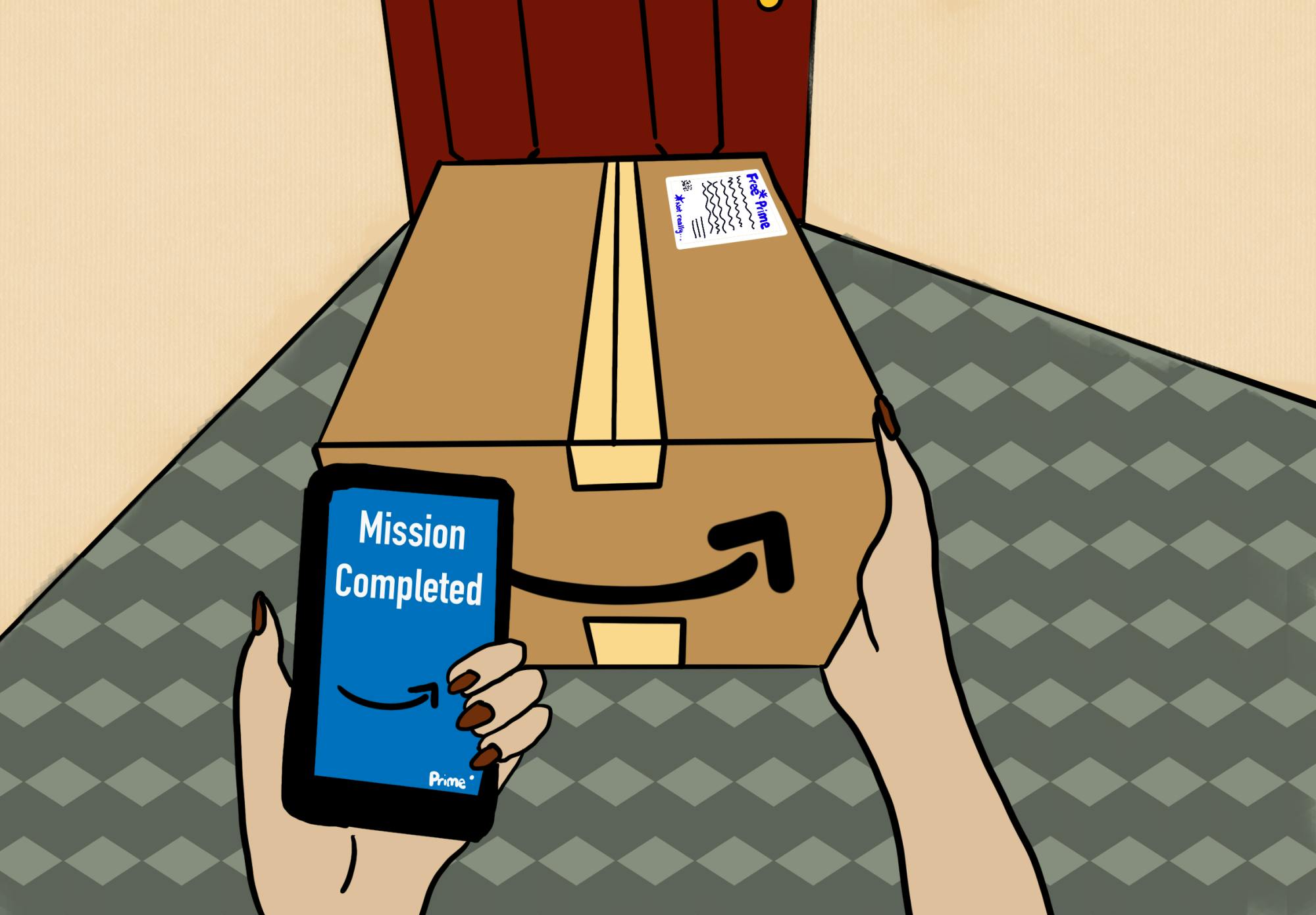
The Federal Trade Commission says Amazon enrolled customers in Prime without consent and used deceptive tactics to keep them subscribed. The agency alleges Amazon failed to clearly disclose terms and made it harder for shoppers to buy products if they declined a membership.
Roughly 35 million customers are expected to receive money from the settlement. Amazon has to pay $1.5 billion in refunds to Prime members who signed up between June 23, 2019, and June 23, 2025, with eligible users receiving an automatic $51 refund. The company also has to pay $1 billion in civil penalties for violating the FTC Act and the Restore Online Shopper’s Customer Act. Investigators said Amazon repeatedly slowed or rejected internal proposals to simplify cancellations.
Amazon denies wrongdoing but says the settlement allows it to “move forward.” In a statement, the company said it sympathizes with customer frustration and is working to improve Prime, including new technologies and clearer disclosures.
The debate has sparked a broader cultural conversation. Critics argue the settlement allows Amazon executives to avoid personal accountability. The American Economic Liberty Project, for example, said ordinary people face harsh penalties for similar conduct.
People have gone to social media to express their concerns about this settlement. Users on Facebook state their concerns about the speed at which they will receive the money in their pockets.
“$51?” one Facebook user said. “I remember when I first signed up, my packages were actually delivered the next day. Now it can take longer than a month to get what I order. It’s hardly ever on time. I always get the ‘Sorry, but your delivery is late’ email. Every time I find something I want to watch on Amazon Prime, they want me to enroll in Hulu, Netflix, Paramount, etc. Amazon Prime is charging for things we were promised WITH the enrollment. They are crooked.”
Some users even commented, asking who would receive the money. People have also gone to many media platforms to start educating other viewers on how to receive their money.
Lawyer Angela, a TikToker and Harvard Law graduate, is informing her viewers about the lawsuit and what that could mean for their bank accounts.
“Amazon and the FTC announced a $2.5 billion settlement, with $1 billion going to the government as a penalty, “Angela said. “ The other $1.5 billion is returned to you (consumers).”
Whether the case signals a new turning point remains uncertain, but it shows regulators are willing to challenge even the world’s biggest digital gatekeepers. For millions of Prime members, the lawsuit isn’t just about a refund; it is a reminder to stay alert in a marketplace where convenience can quietly come at a cost.