Every January, my social media feeds flood with the same declaration: “New year, new me.” Many join in the ritual with fitness selfies, dietary promises and ambitious lists of goals, as if flipping a calendar page can magically transform who we are.
As hopeful as that feels, the calendar itself doesn’t hold the keys to change. Real transformation rarely arrives with fireworks at midnight; it comes quietly, over time and often when we least expect it.
The problem that keeps resurfacing with the “new me” mentality is it treats self-improvement as a deadline, when in fact it is a journey. People assume when the clock strikes midnight Jan. 1, a better version of themselves emerges. Though becoming a healthier or smarter version of yourself can begin then, change often doesn’t obey a calendar.
Shifting my mentality to separate the new year and major changes I would like to enact in my life helps disconnect the predetermined timeline that emerges.
A long-term study of 200 people who made New Year’s resolutions, referenced by Psychology Today, concluded that while 77% of participants maintained their resolution after one week, just 19% considered themselves successful after two years.
A second study published in the journal PLOS ONE, with more than 1,000 participants, found at the one-year benchmark, only 55% of respondents said they were successful in keeping their resolutions.
This gap emerges between our midnight ambitions and day-to-day actions as soon as change is connected with a timeline. The backbone of real, lasting change is habits, and habits are rarely born from dramatic leaps.
Whenever I jump into something too soon or too fast, it always ends with “I’ll do it tomorrow.” I start to push off these big goals, knowing I might have taken too much on. Which is why I make small changes that can flourish into habits I know are obtainable.
A systematic review cited by Psychology Today concluded from data across six studies that people who create routines and form habits are more likely to follow through with their goals. The research also suggests habits are more important in achieving goals than desire alone.
This shows change works best when it is gradual, contextual and realistic. It does not need to be forced by societal pressure or the timeline-driven hype of a new year.
The new year mindset also tends to encourage sweeping, ambitious goals, such as losing 20 pounds, overhauling a diet, waking up at 5 a.m. and hitting the gym every day. While big aspirations can be motivating, they often ignore reality.
That disconnect between aspiration and reality helps explain why so many resolutions fizz out early. A 2024 review published on the research archive arXiv argues external triggers, such as the new year, rarely create lasting motivation.
People tend to abandon large, externally motivated goals long before they become habits. This is not a case for giving up on self-improvement; rather, it’s a call to reconsider how we change and when.
In my life, breaking up my ambitions makes them easier to integrate. Although less trackable at a statistical level, I have found this is the best way to start a healthy routine that leads to everlasting change.
Change grows from small, consistent decisions that develop into routines. Those routines form good habits, and from those habits comes real change, not forced, but natural.
Instead of using New Year’s as a trigger for reinvention, we might treat it as a gentle nudge to reflect. We can use the time to reflect on what we actually want, rather than what social media trends tell us to. Real transformation doesn’t need a start date. Most of the time, you don’t even realize it’s happening.
The changes I have made and kept are due to looking at my life from a different angle. Having choices that are not set in stone makes it easier for me to check myself and reflect on the path I decided to take. From there, it doesn't seem as much of a resolution; it is more of a solution that will help me be the person I believe myself to be.
Real change doesn’t announce itself at midnight or wait for permission from a calendar. It grows quietly through small, consistent choices that turn into habits over time. When that change finally becomes visible, it isn’t the result of a new year; it’s the result of showing up day after day.
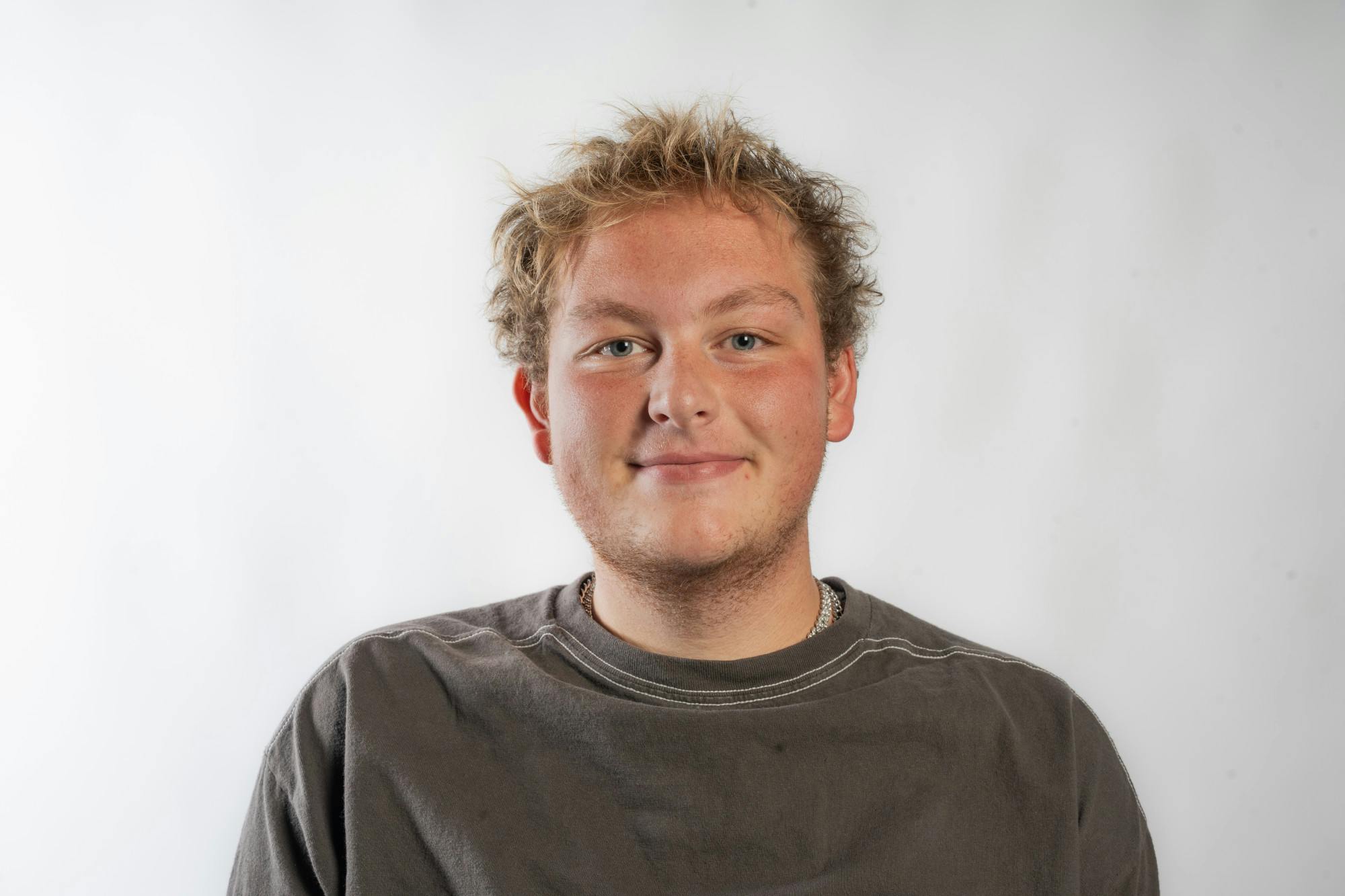
Michael Dorwaldt is a sophomore studying journalism at Ohio University. Please note the opinions expressed in this column do not represent those of The Post. Want to talk to Michael Dorwaldt about their column? Email them at MD557123@ohio.edu