

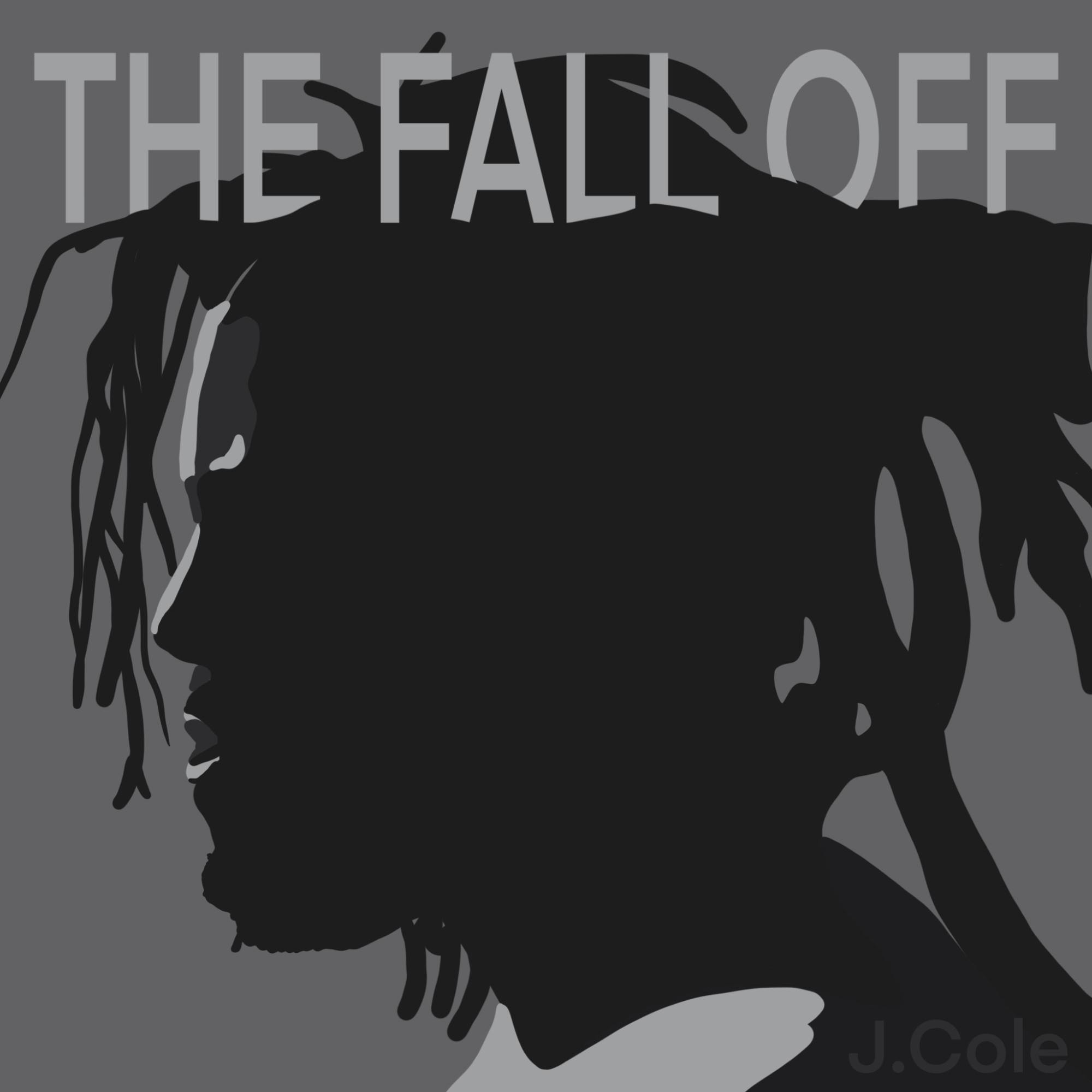
On Feb. 6, J.Coledropped his long-awaited album “The Fall-Off double album fit for the end of his career.
The two halves of the album represent visits to his home in Fayetteville at ages 29 and 39. At 29, Cole is ambitious but also feels survivor's guilt. At 39, Cole is much more peaceful but still has an edge, desiring recognition for his success.
It starts with “Two Six,” a tie to Fayetteville’s county code. Cole also released this album Feb. 6, tying into the importance of those numbers.
Cole is known for storytelling songs such as “4 Your Eyez Only.” The legacy continues with “SAFETY.” Cole catches up with friends from Fayetteville when he returns, who explain all the things that have happened since Cole left.
The next two tracks, “Run a Train” and “Poor Thang,” are about Cole’s experience growing up in Fayetteville and the work he put in to make it big.
At the end of “Poor Thang,” Cole calls someone, but it goes to voicemail. “Legacy” is what Cole wanted to say to “the one who got away,” and the regret he feels.
“Bunce Road Blues,” whose title is a reference to a street in Fayetteville, is about the loyalty Cole feels to his home and the people there.
“WHO TF IZ YOU” is about how Cole put Fayetteville on the map and made it big, but “Drum n Bass” has him wrestling with the guilt of making it out while he can “feel the vibe of the whole city so tired and stressed.”
The album then goes into another strong display of storytelling with “The Let Out.” Cole raps a story of him being at the club one time when he was warned there were some other people out to get him. This has Cole wondering if “Will I make it home?” and “Will we survive the let out?”
The first disc closes on a double track of “Bombs in the Ville/Hit the Gas.” Cole starts young and braggadocious as he has been for most of the first disc, before shifting into rapping from his current perspective
While the intro on Disc 29 was short, “Intro 39” is a six-minute song that starts calm but then gains an edge. It’s reflective of how Cole deals with peace and pride on the disc.
It kicks off with “The Fall-Off is Inevitable.” Cole raps his life backwards, from death to birth, with no hook.
“The Villest” is Cole rapping about what dreams were as a kid before he raps about his view of the world now. He interpolates Outkast’s “Elevators (Me & You)” with Erykah Badu.
This is followed by Cole’s celebratory homecoming “Old Dog.”
Cole writes a love song about his partner with “Life Sentence.” He traces his relationship and how the two are now doing life, a twist on the phrase used for convictions. Cole interpolates again, this time DMX and “How’s It Goin’ Down.”
He continues the songs for his partner on “Only You,” where he raps about the time he owes her. Burna Boy also joins in as he wonders, “What am I longing for? My baby to love me more.”
Cole explains how Christian faith can help one out of a chaotic life on “Man Up Above.” It samples Marvin Sapp’s “Never Would Have Made It” which carries a similar theme.
“I Love Her Again” is also a love song, but this time the love is directed to hip-hop.
In “What If,” Cole raps as both 2pac and The Notorious B.I.G. and wonders how their feud could have been different.
The music of J Cole means a lot to many fans, and “Quik Stop” makes Cole realize his impact is the most important part of his legacy when a fan approaches him while filling gas.
Just like it started, the album ends on a tribute to Fayetteville, “and the whole world is the Ville.” This time it’s much calmer, but he still carries the pride.
Both discs technically end with bonus tracks of “Lonely at the Top” and “Ocean Way.” The two laid-back tracks are moments of Cole reflecting on his legends and love, adding to the conclusive nature of this album.
While Cole has confirmed the album “It’s a Boy,” which was intended to come out before “The Fall-Off,” is still coming, this is likely his last album.
Titling an album “The Fall-Off” is bold, but Cole managed to “fall off” on his own terms while still delivering his style. It is also full of love for Fayetteville, his partner, and rap as a whole.
It is rare to see an artist finish their career in the way they want and do it well, but Cole did it.


