

Times are scary. With the Trump administration’s authoritarian, vice-like grasp on every U.S. citizen’s right to free speech and protest, specifically targeting college students, feeling scared is not just valid, but is to be expected.
Take the arrest of Mahmoud Khalil in March. Khalil, a Palestinian, Columbia University student and activist against the occupation in the Gaza Strip, was unlawfully detained by unmarked individuals now known to be Immigration and Customs Enforcement agents. Khalil was held in an immigration detention facility in Jena, Louisiana, for over 100 days before being released.
Despite his release, Khalil’s detainment marked the first of its kind under the second Trump administration, and it has not been the last. Across the nation, college students and protesters alike are having their First Amendment rights infringed upon.
Fear has its place in society. Although authoritarianism and restrictions on the rights of others are bad, it can be a unifying force, lighting a fire under a population under the foot of oppression for the greater good to take place.
Fear is a normal reaction to the actions and policies this administration has implemented. However, the normality of such fear means communities can be built around it. Protests aren’t just born of displeasure or anger, but fear as well.
Protests have constantly spawned from fear these past seven months. The anti-ICE protests that continue to cover the country have helped voice displeasure and concern pertaining to the agency’s actions. The No Kings protest June 14 stated the country’s mission in its protesting.
However, another thing protests do is cause the nation to operate under a microscope. The No Kings protest itself was livestreamed, which can be found on its website, though it features graphic content.
Protesters were hit with rubber bullets, including journalist Lauren Tomasi, a correspondent for Australia’s 9News. An officer was caught on Tomasi’s broadcast aiming and firing at the reporter’s leg, content warning: watch with caution.
As tensions continue to rise across the country, it’s reasonable to want to back away from the protest. Under the authoritarian actions of what is seemingly becoming a regime like this one, there’s more than enough reason to want to hide. However, there’s all the more reason to step up and make your voice heard.
Protest sparks change, discomfort at the very least. It’s easy to let fear inhibit actions, but turning them into motivation, rallying with those who share your fear to invoke material change, is what makes protest so powerful.
Think back to Khalil: a man without U.S. citizenship, in the country on a green card, knowing full well the opinion this administration holds regarding immigrants and Palestinians. Through his bravery, despite the horror and abuse of power he was subject to, he was able to spotlight the injustice he faced, bringing more attention to the issue he was protesting in the first place.
It’s not just easy to be fearful; it’s expected. However, as we’ve seen time and time again, fear can invoke action, and action can invoke change.
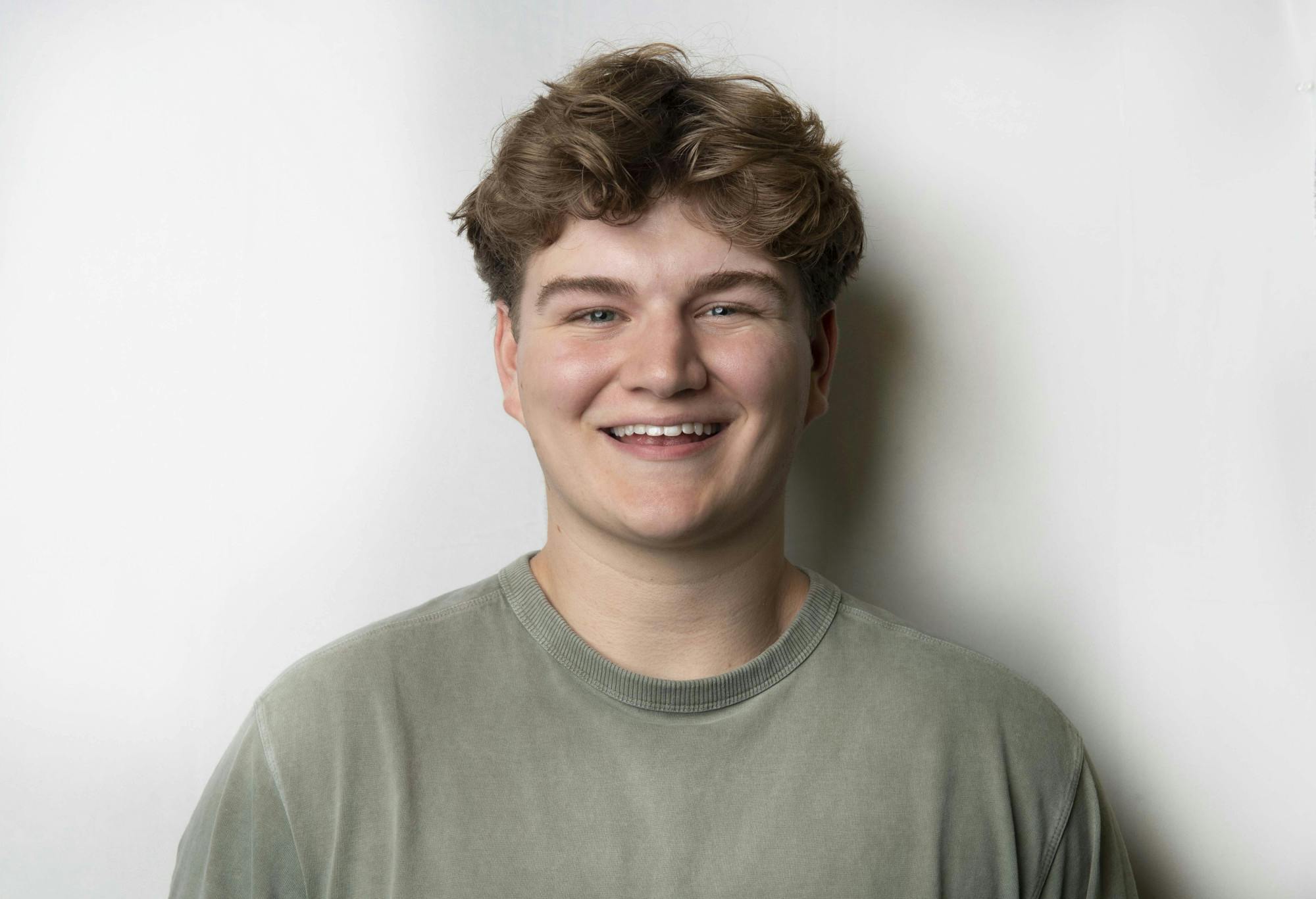
Logan Adams is a senior studying journalism. Please note that the views and opinions of the columnists do not reflect those of The Post. Want to talk more about it? Let Logan know by tweeting him @LoganPAdams.


