As global governments debate whether or not social media users should have the right to turn algorithms off, it is important to focus on the loss of agency users' experience as a result of these algorithms.
Before digital media, finding information often involved searching through several perspectives to construct a solid opinion. Today, social media algorithms propose a threat to the safety of users. With 253 million people in the United States who use social media, citizens must be aware of the dangers of algorithms. Algorithms do not show us what we need to see, it shows us what keeps us looking at the screen.
Allowing algorithms to dictate our perception of reality is extremely dangerous. Passive users are not safe without a strong digital literacy and awareness.
Algorithm-driven apps rob users of control by using human psychology for profit. It is not our fault if we keep scrolling because social media platforms are designed to keep users engaged. According to St. Luke’s Penn Foundation, our brains respond to novelty, reward and social connection, which social media continuously provides through the endless nature of each platform.
Scrolling is not a conscious decision, it is a natural result of the instant dopamine hit when an app shows users exactly what they want as a result of their algorithm. Those algorithms are filtered to be in line with each user's worldview, showing them content they agree with or are already engaged with. That is also known as a feedback loop.
Feedback loops are historically harmful and dangerous. Algorithms are warping our perception of reality. That causes us to think our hyper-curated feed is the only way the world works or the only way our lives should look. Without the knowledge of the psychology behind algorithms, users do not have the choice but to be subjected to repeated manipulation of their opinions and ideals.
In the past, it required an active effort to find ample information in order to build an opinion. But on social media, we do not have to find information, the information finds us.
The curation of our feeds does not give us the room to create our own opinions. Instead of allowing us to grow intellectually, see unfamiliar ideas and weigh the evidence on our own, we are stripped of the opportunity to think critically because our algorithms have already decided what we should believe.
Awareness goes beyond simply knowing algorithms exist. We have to be aware that these platforms are deliberately weaponizing our cognitive biases to dictate our choices. We should intentionally train ourselves to look beyond the boundaries of our feed.
Look up the other perspective and find all of the information, not only information that conveniences you.
Using social media gives us no choice but to be vulnerable to the disconnect algorithms create. But with awareness, we have a defense mechanism. Next time you start comparing yourself to someone online, remember it is simply one person. The world is very different from your feed.
The true danger of social media algorithms is our collective blindness to the consequences we are facing. Without a foundation and deep awareness of the behind-the-scenes manipulation, we are left completely defenseless against technology designed to control how we interact.
We cannot protect and maintain our autonomy when our shared perception of reality is fading away because we all live in the same world. However, our feeds show us opposite versions of it. We need to rebuild connection within our society and consciously inform ourselves of opposing viewpoints.
Social media is still new. It is our job to maintain our digital literacy if we choose to engage in social media. If we choose not to actively question why certain content is targeted toward us, we surrender the ability to independently form opinions.
Do not let yourself become blind to the world around you. Choose to let your opinion be carefully crafted rather than made for you. When we surrender our curiosity to our algorithms we stop building communities and empathizing with one another.
Survival in the digital age demands that we choose to be active investigators of information rather than passive receivers. Being aware of the consequences of social media algorithms is crucial to save our society from the loss of intellectual agency.
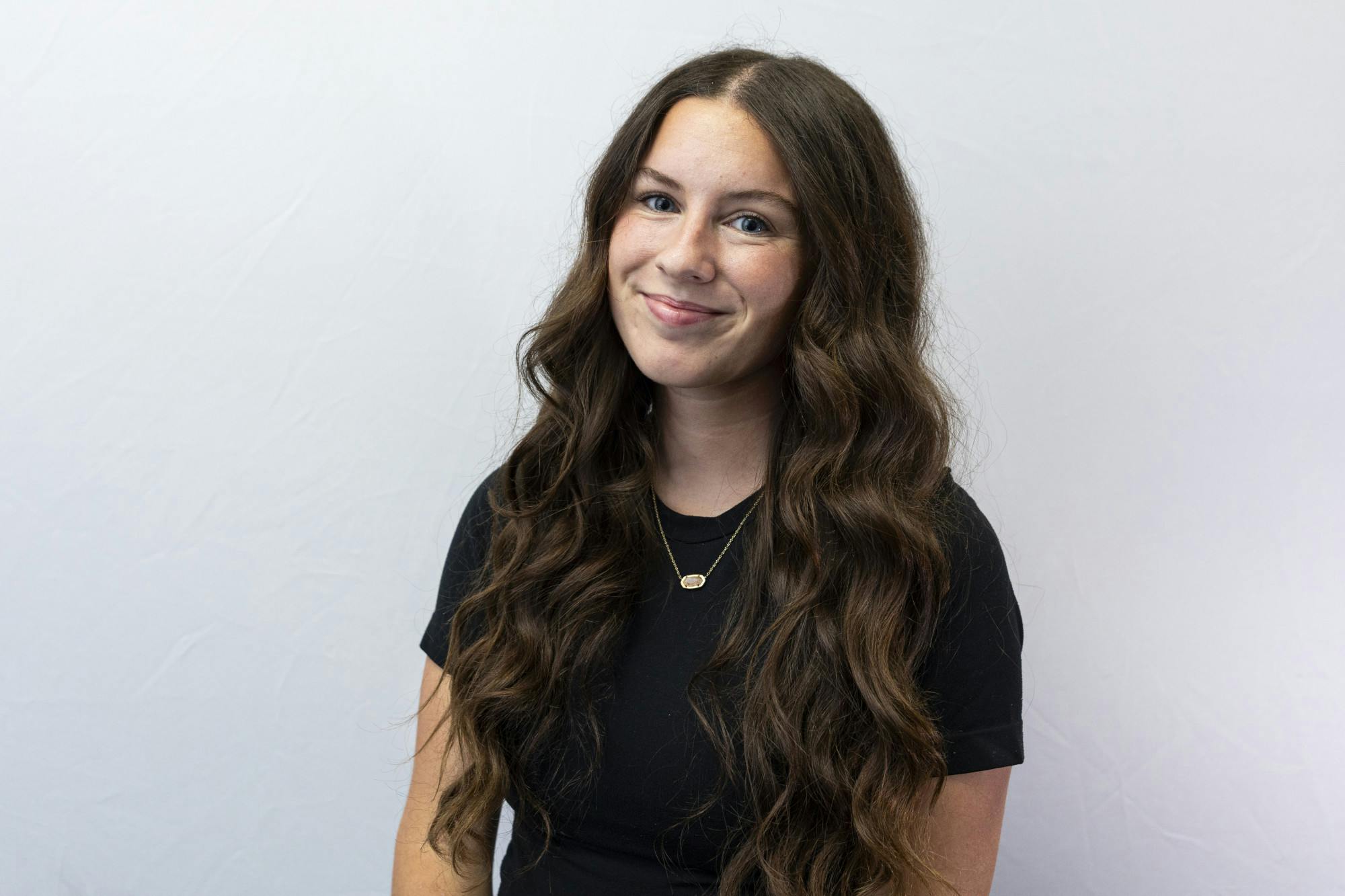
Heidi Bartolone is a junior studying communication and journalism at Ohio University. Please note the opinions expressed in this column do not represent those of The Post. Want to talk to Heidi about their column? Email them at hb963023@ohio.edu. @heidibartolone