At first, loving the same band or television show was a common ground for connection. Since the rapid rise of social media, the reason for connection has turned into a reason for judgment. Suddenly, it’s not enough to like something; you have to prove you liked it first.
The internet’s once-shared spaces have become crowded with people guarding their tastes like territory rather than letting others join in on what made it special in the first place.
The overall concept of gatekeeping is not new, especially to those familiar with how traditional media once worked. For decades, those involved in public media acted as gatekeepers, deciding what information reached the public and what stayed secret. In today’s society, gatekeeping refers to restricting certain access to information and content.
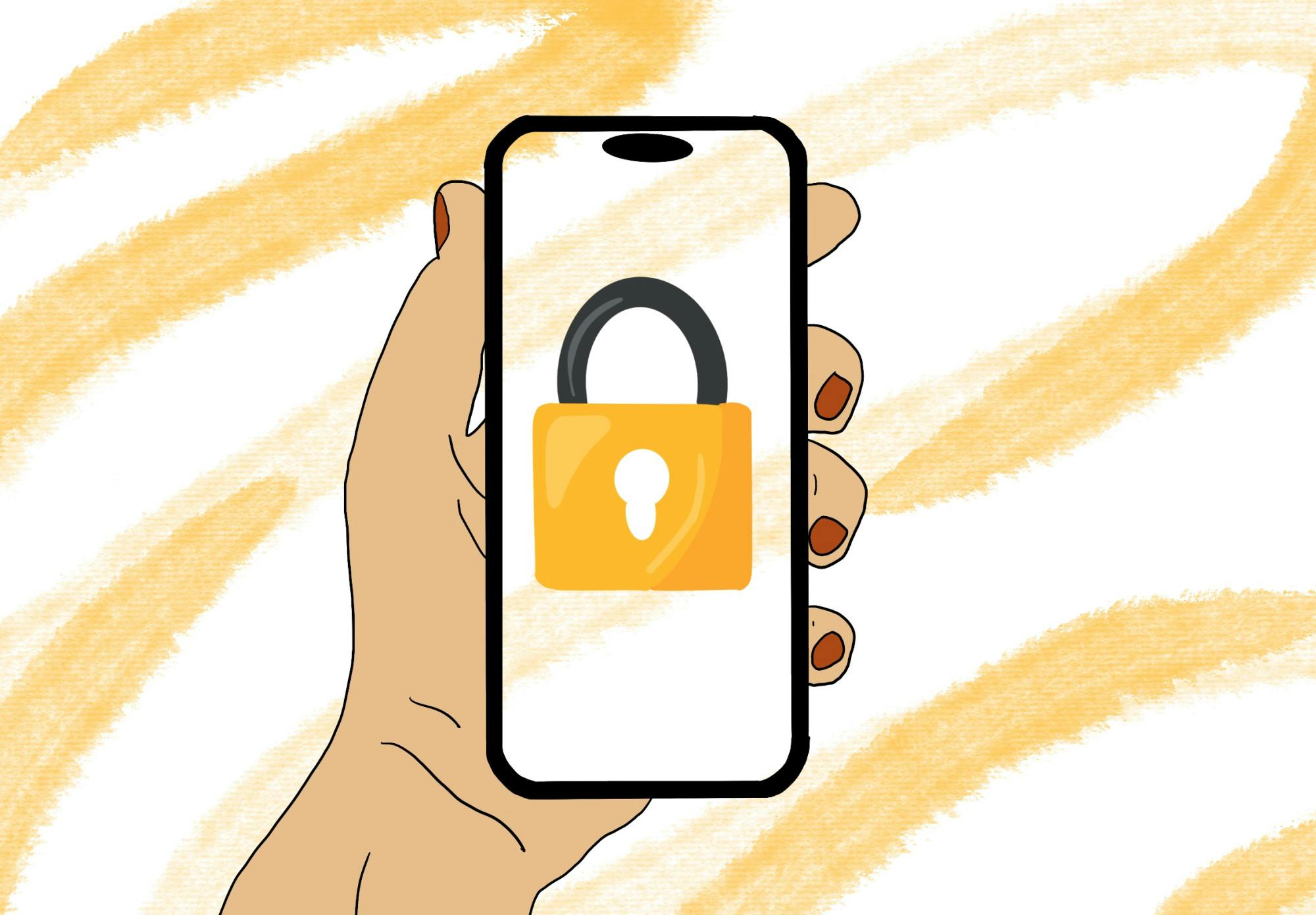
In social media and online spaces, it is often individuals or communities who decide who is worth enough to be included based on arbitrary criteria or norms. Now, with platforms such as TikTok and Instagram, any user can become a gatekeeper, not of information, but of culture itself.
If gatekeeping was originally about who controlled the news, it’s now about who gets to belong in a specific community. Nearly anything with a large following can be gatekept, like TV shows, music artists, micro-aesthetics, lifestyle trends or even hobbies like coffee culture and fitness routines. Social media, especially, has made this behavior more mainstream, turning personal taste into a kind of performance and a test.
Individualalgorithmsintensify the effect as the platforms reward originality and engagement, which encourages users to gatekeep to protect their identity and status. When so many people’s sense of self is tied to their taste in aesthetics and music, allowing newcomers in can feel like losing part of yourself. Social media, built for sharing, has paradoxically created a landscape of division, where belonging is measured not by enthusiasm but by perceived authenticity.
However, gatekeeping isn’t inherently bad. Seen as a form of self-expression and cultural preservation, it allows individuals to maintain a personal connection to the things they love. In a world where social media pressures everyone to share every detail, experiences can quickly become homogenized, with everyone doing the same things, wearing the same items or visiting the same places.
Thoughtful gatekeeping offers a way to resist this trend, protect personal identity and preserve the joy of discovery. In this sense, it has become so ingrained in online culture that nearly everyone participates at some point, often not even realizing it.
The rise of social media has transformed gatekeeping from a largely institutional practice into something intensely personal. Where once producers acted as arbiters of taste and decided what the public could access, those decisions are now scattered across millions of individual users.
Algorithms quietly shape what people see, steering trends and culture on a massive scale, while everyday users assert their own influence over who belongs in their corner of the internet. This type of gatekeeping can create large amounts of tension that anyone can participate in; however, it still comes with certain conditions. This perceived exclusivity can feel more important than cumulative enjoyment.
So, is gatekeeping even possible in an era defined by TikTok virality? It may be less about shutting others out and more about defining oneself. Trends erupt in today’s society at lightning speed, and what counts as insider knowledge lasts only as long as the next popular meme. In this environment, the challenge isn’t keeping others out; it’s learning to share again and to enjoy your passions openly without feeling like they lose their meaning.
Gatekeeping is a complex and sometimes contradictory practice, serving as a performance, a defense and occasionally as a means to preserve what people value. Social media has turned fandoms, aesthetics and hobbies into sprawling cultural territories. It has also opened up opportunities for authentic individuality despite the pressures to conform.
Maybe the solution is not to abandon gatekeeping altogether, but to understand when it empowers and when it excludes. By doing so, it makes space for the shared joy and community that online culture was always intended to cultivate.