

The registration process for general course selection at Ohio University is flawed. Undergraduate students face uncertainty and constraints when selecting classes, as they need to excel and advance in their education. There should be no reason why students should have to struggle to enroll in required courses.
Students looking to schedule classes feel overwhelmed when their required courses close before their scheduled registration time. The times to schedule for the upcoming semester can differ for students based on the credit hours they’ve completed thus far.
Some students can complete courses through College Credit Plus, a dual enrollment program, before enrolling in college. It allows students in grades seven through 12 to earn both college and high school credits by taking college-level courses.
Kira Hopkins, a senior studying exercise physiology, completed four CCP classes during her time as a high school student, providing her with more credit hours her freshman year of college than the average student. She compared her registration time to her peers with the same major who were set to register for classes days after she did.
“I know some people who had wildly different pick dates from me, by four days,” Hopkins said. “I just can’t imagine that we have that many different amounts of credits.”
There is anxiety surrounding course scheduling due to the uncertainty in making the wrong decision in class selection, particularly because such a decision can delay a student’s graduation.
Carson Huxtable, a sophomore studying marketing, is set to schedule classes Nov. 10 and spoke about the common frustration among students in the business school trying to enroll in the course called Integrated Business Cluster.
This course is 12 credit hours and four courses in one, and Huxtable said he’s having a hard time finding other classes that don’t conflict with Cluster.
“Everyone’s having this problem,” he said. “I know some of my friends schedule (classes) tomorrow, and they’re like, ‘Everything’s taken.’”
Huxtable said with Cluster specifically, the section he was hoping to enroll in reached full enrollment Friday.
Fletcher Davies, a sophomore studying communication studies, spoke about the stressors he felt while trying to schedule necessary classes for the upcoming spring semester.
“I think it’s the same stresses for everybody,” Davies said. “It’s just making sure you get into the course, and I don’t think we have enough courses for certain majors.”
Davies and Hopkins both said there is a lack of variety in the courses offered for their majors, and I’d have to agree with them.
At OU, students use the Degree Audit Reporting System. It’s used to analyze degree requirements for a major, minor or certificate according to the catalog year. Students look at their DARS to understand which courses to take each semester.
“I know so many people who had to request permission (for classes), I also know some people are taking alternative classes to fulfill the BRICKS requirement,” Hopkins said.
The requirement is for undergraduate students to complete 38 hours of courses over five categories, one of which is the capstone. This category requires a minimum of two hours and is for students to complete while implementing and applying their skills acquired from their previous years of education.
For upperclassmen, capstones are the perfect opportunity to showcase their ability to problem-solve and apply their knowledge. Although these courses can push students outside of their desired field of study into a related area, it’s extremely disheartening to be unable to enroll in a desired capstone because the course has closed.
For standard students who don’t receive accommodations, did not enroll in CCP courses and are not in the Honors College, enrolling into courses for an upcoming semester is met with loads of uncertainty. Even speaking with advisers within our colleges of study may not help when it comes to getting enrolled in a full class.
“It should be a lot easier to get a hold of people for help,” Davies said when referring to advisers.
He said the waiting period between meeting with an advisor and scheduling classes adds a recurring stressor each time he’s had to schedule classes.
Working toward earning a degree presents students with hundreds of moments of uncertainty. This could be about an exam grade, a group presentation or a seat in a lecture hall. When scheduling classes for the upcoming term, there shouldn’t be uncertainty about whether a student can enroll in a course required for graduation.
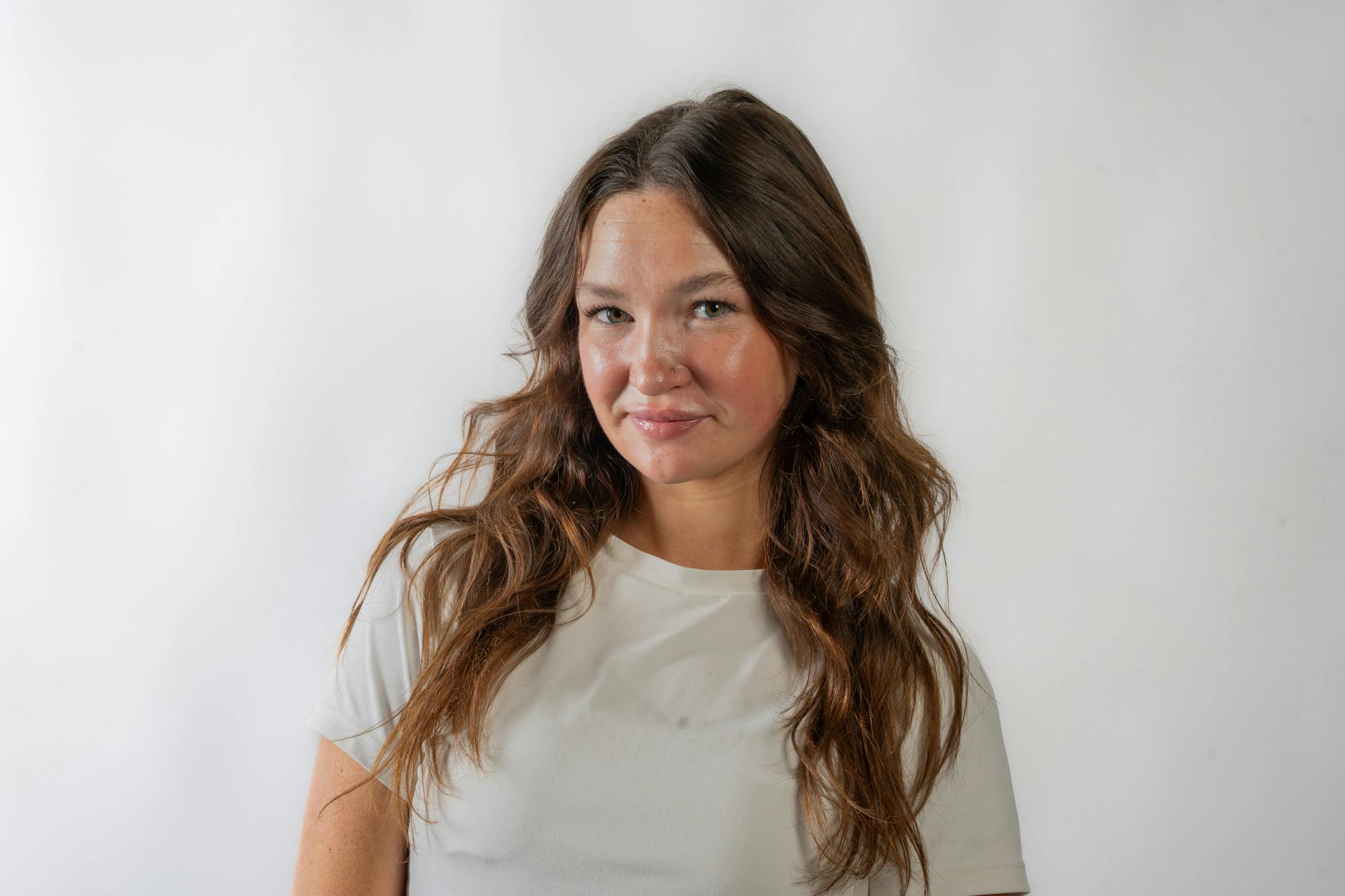
Daphne Graeter is a senior studying journalism at Ohio University. Please note that the views and opinions of the columnist do not reflect those of The Post. What are your thoughts? Let Daphne know by emailing her at dg422421@ohio.edu.


