When it comes to caffeine, students have many on-campus options to grab a fix, but Culinary Services does not oversee all six university cafés.
Ohio University’s Culinary Services has four cafés on campus — Café BiblioTech, OU-HCOM SAF Café, South Side Espresso Bar and The Front Room Coffeehouse.
Based on fiscal year 2013 projections, these cafés brought in more than the entities run independently from Culinary Services.
Front Room, on Baker University Center’s fourth floor, is by far the most profitable of the Culinary Services-run cafes and raked in $746,337 in fiscal year 2013.
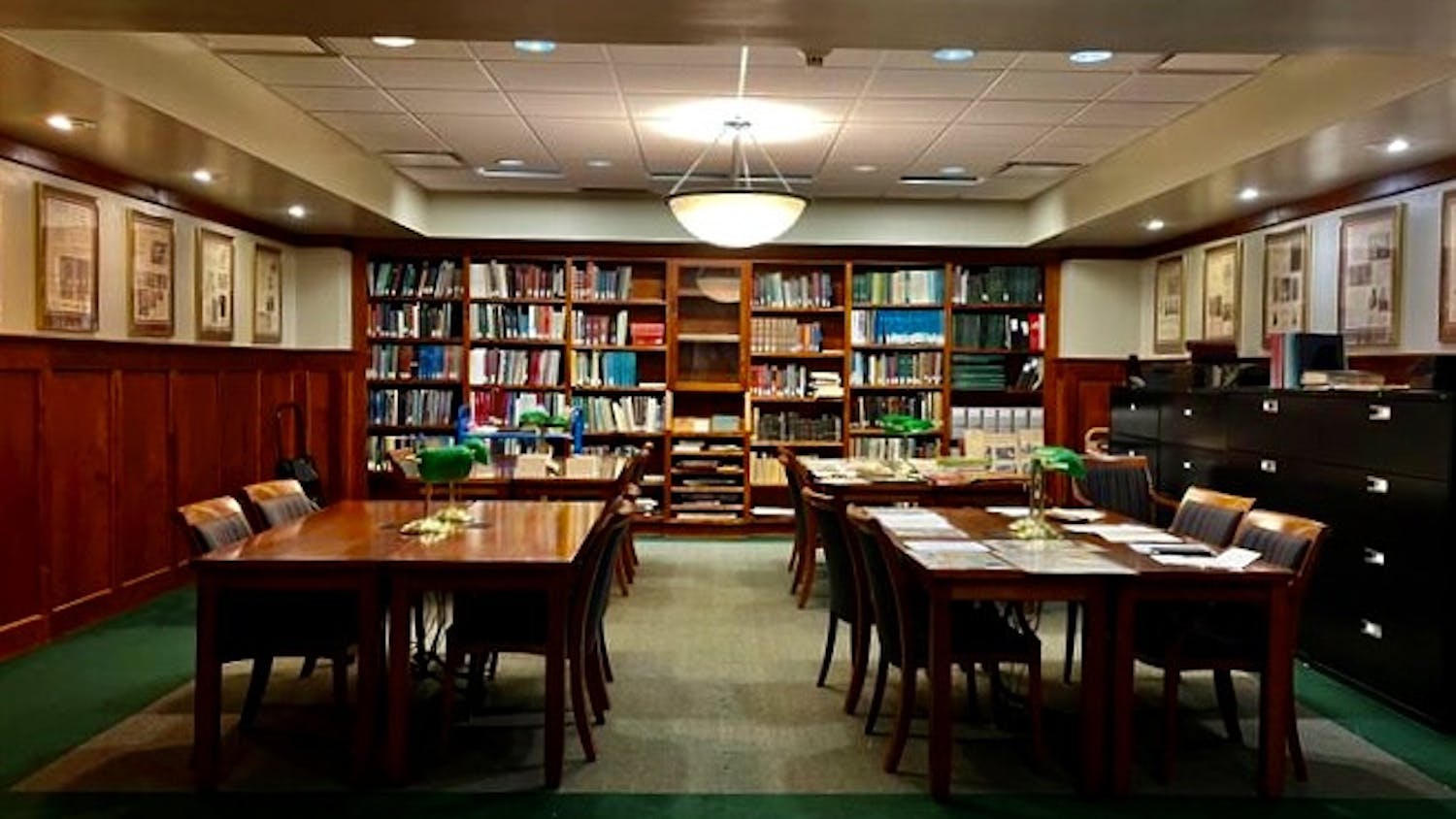
Café BiblioTech, on Alden Library’s second floor, follows with $428,115.
South Side Espresso Bar in Nelson Commons made $246,510, while the OU-HCOM SAF Café in the Academic and Research Center made $139,467.
Revenue from Culinary Services’ cafes is funneled into the university’s general fees budget which funds OU programs and general operations.
For three of the Culinary Services cafés, cash sales bring in the largest percentage of revenue.
The second largest chunk comes from Flex Points which account for nearly half of the annual revenue for Front Room and Café BiblioTech.
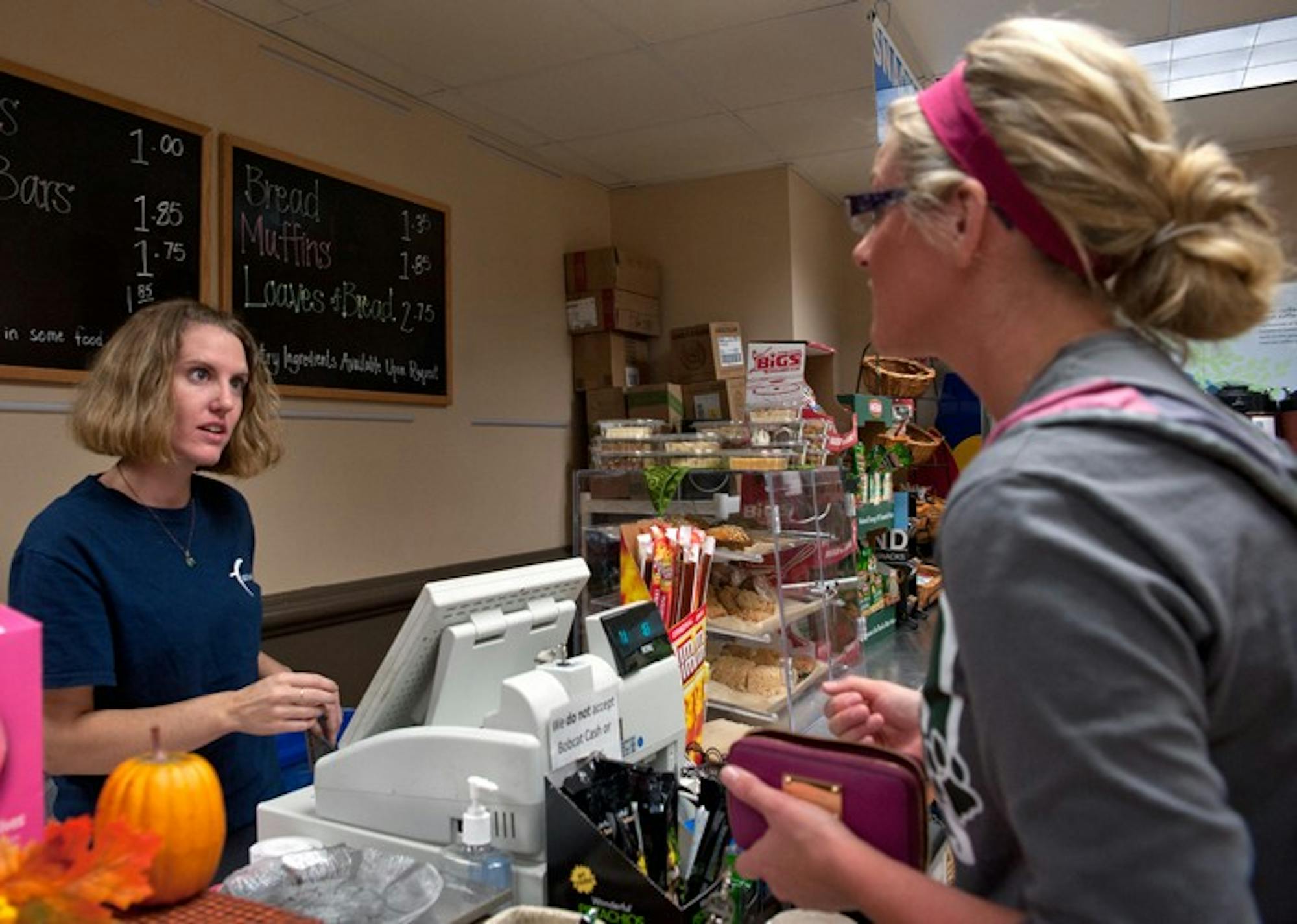
Two other cafes on campus are not run by Culinary Services — The Ridges Café in the Kennedy Museum of Art and the Atrium Café on the first floor of Grover Center. Neither accept Bobcat Cash or Flex Points.
“Because we are not food service, Bobcat dollars are not accepted,” said Francis McFadden, an assistant professor in the School of Applied Health Sciences and Wellness who oversees both the academic and fiscal responsibilities of the Atrium Café. “I’m sure a few sales slip away.”
Atrium Café made about $225,000 last year, McFadden said, adding, “Not bad for a student-run café.”
The café is a class for students studying in the College of Health Sciences and Professions to teach them about contemporary food service management, food and wellness, McFadden said.
Atrium was certified as a “green restaurant” by the Green Restaurant Association; the certification is awarded to only eight other restaurants in Ohio and is given to restaurants for eco-friendly practices, such as water efficiency and waste reduction.
The revenue from the café goes back to the eatery.
Unlike Atrium Café, The Ridges Café was established with museum donor funding, said Douglas Andersen, manager of the café. All the café’s revenue, which wasn’t available as of press time, goes directly back into the museum.
Though both coffee shops bring in steady revenue, Bobcat Cash and Flex Points could possibly attract more business.
In fiscal year 2013, the South Side Espresso Bar made $246,510, a similar sum to the Atrium; but at the Espresso Bar, nearly $200,000 of that sum came from Flex Points sales.
Anastasia Fitzroy, a freshman studying nursing, finds the limited payment options at the Atrium Café inconvenient.
“I don’t carry cash,” she said. “I’m a broke college student. I don’t want to spend money.”
Though students might be frustrated by the inability to grab coffee with a simple swipe, McFadden said business has picked up at Atrium Café since he took over.
“When I took over as faculty manager of the café, it was losing $30,000 a year and (was) therefore subsidized by the college,” he said. “It took two years to fix that problem, now our food labs are profitable and we require no subsidy at all.”
db794812@ohiou.edu
@Dinaivey