Ohio University's Air Force ROTC program took over parts of Morton Hall this weekend for a two-day mobility exercise.
The program of 51 cadets participated in the exercise, which was an in-process ' a simulation of a mock deployment. The cadets practiced the transition from active duty to a deployment situation.
Cadet Major Scott Croskey, a fifth-year senior electrical engineering major, described the first part of the exercise as a hurry up and wait event, where the cadets packed up all of their equipment at different stations. After a briefing in Morton, they packed themselves into university vans and were deployed to the made-up country Forrestan
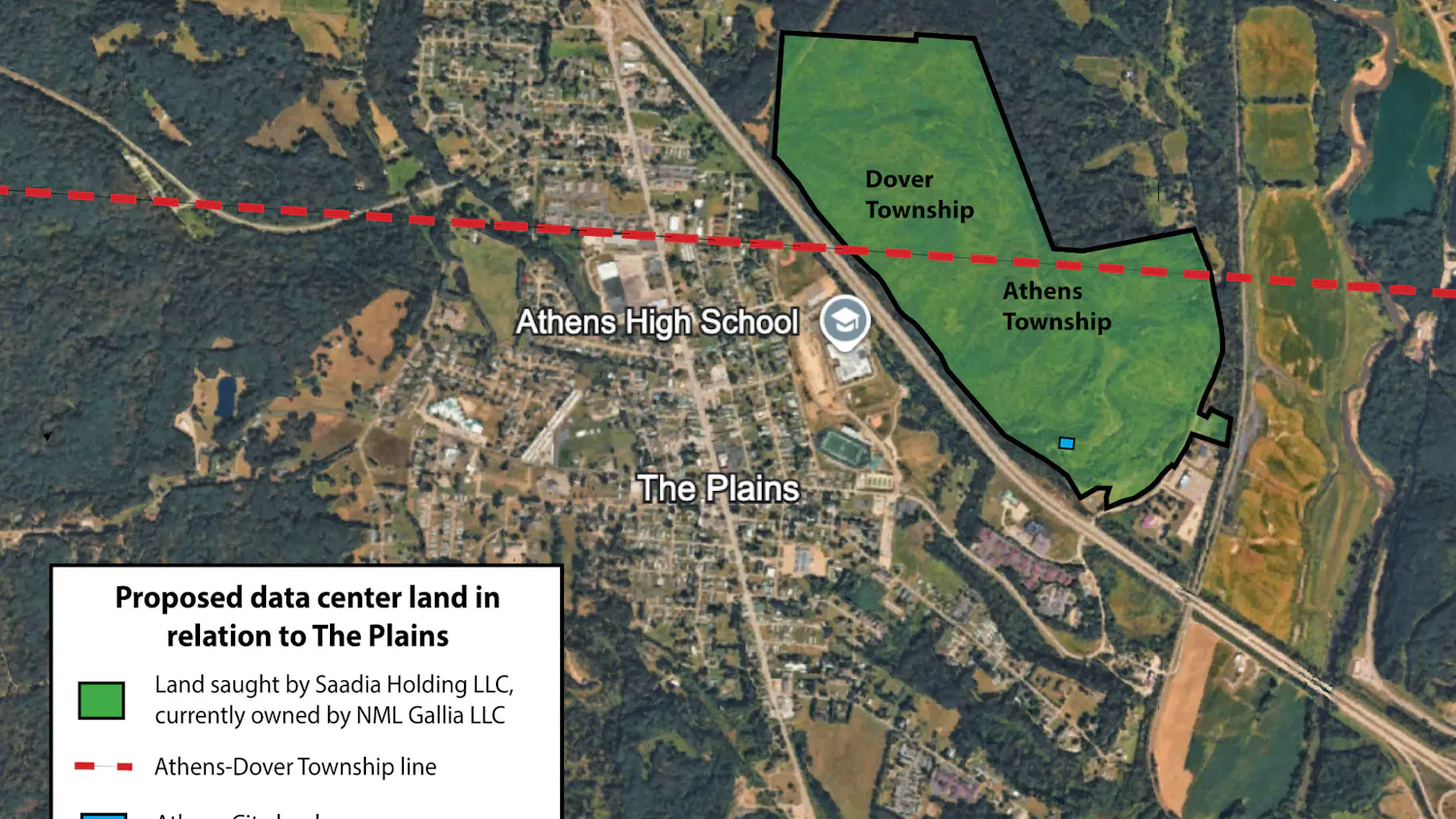
which was actually a location near The Plains.
The exercise was entirely run by the cadets, said sophomore Adam Bevere.
It's all on our shoulders said Bevere, who was mostly in charge of the weapons and medical stations.
Once the detachment arrived at the mock military base, members learned survival techniques and practiced battle situations like a simulated mortar attack, using fireworks in place of real explosives.
At one point a cadet even had his gear stolen to see how the group would react, Bevere said.
One of the main simulations involved a Provincial Reconstruction Team, where cadets met with the country's secretary of transportation to discuss the building of a bridge and acted as escorts.
PRT is one of the main jobs of the military in Iraq and Afghanistan now, so it's important to be able to communicate properly in this situation, said Croskey, who, like most ROTC seniors, will be eligible for active duty within a year.
Cadets also had to go through survival training where they learned the basics of living in the wilderness. Also covered were medical training and some rules of conduct in countries they might be deployed to, said survival trainer Keith Butt.
For example, in some countries wearing sunglasses in public is considered rude, he said.
Butt has worked with some of the cadets before, but Friday he gave a three-hour presentation to the whole group on survival essentials such as how to find food and shelter and stay as comfortable as possible in a wilderness environment.
The basic survival skills deal with finding fire shelter
water and food
and signaling and navigation
Butt said, adding that cadets will also learn to use their gear in many different ways, such as making a tent out of a poncho.
At the end of the weekend, Croskey said he considered the exercise to be the best one at OU.-
he said, adding that he thinks OU's ROTC group is one of the best in the nation because it is one of only a handful that runs this exercise.-
he said, adding that most groups do not have the benefit of this experience.
OU's ROTC program is consistently ranked in the top third for its leadership skills during national field training with 143 other programs from across the country.
17
Archives