
Studies show more health benefits related to coffee and caffeine consumption
By Marisa Fernandez | Jan. 25, 2015Studies reveal coffee may lower health risks and possibly increase the lifespan of adults.


Studies reveal coffee may lower health risks and possibly increase the lifespan of adults.

It was a night of glitter, games and gender-bending at Friday’s Amateur Drag Show Fundraiser.

The second round of announcements for Nelsonville Music Festival include The Flaming Lips, Lucero and five other bands.

Though a snow day is unlikely this year, OU will prioritize keeping its key buildings open if it has to call off classes.

Members of the Ohio University Student Union met for a two-day retreat to discuss group goals and devise a plan for enacting changes in Athens.
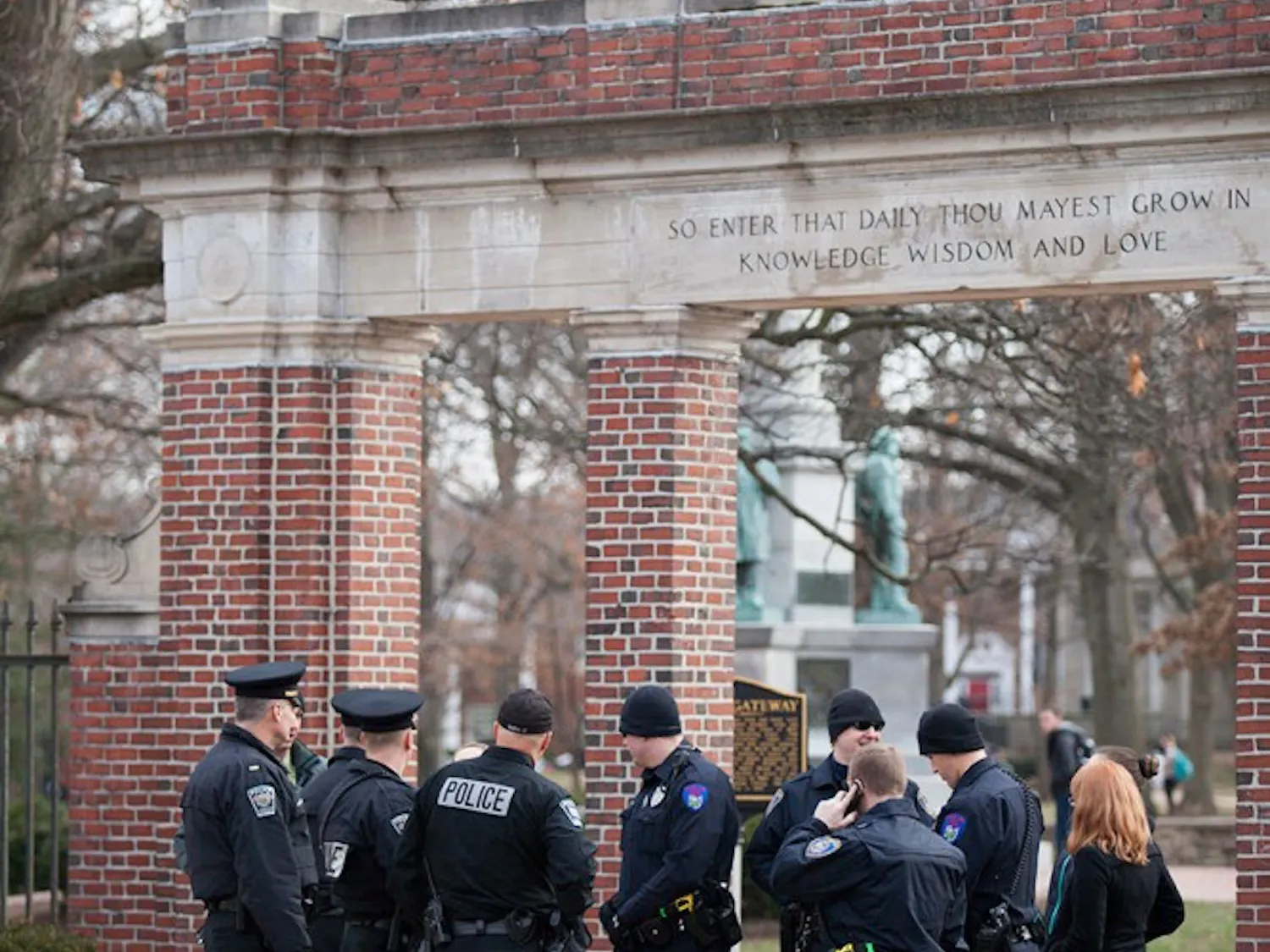
Tensions remain high between demonstrators and officials.
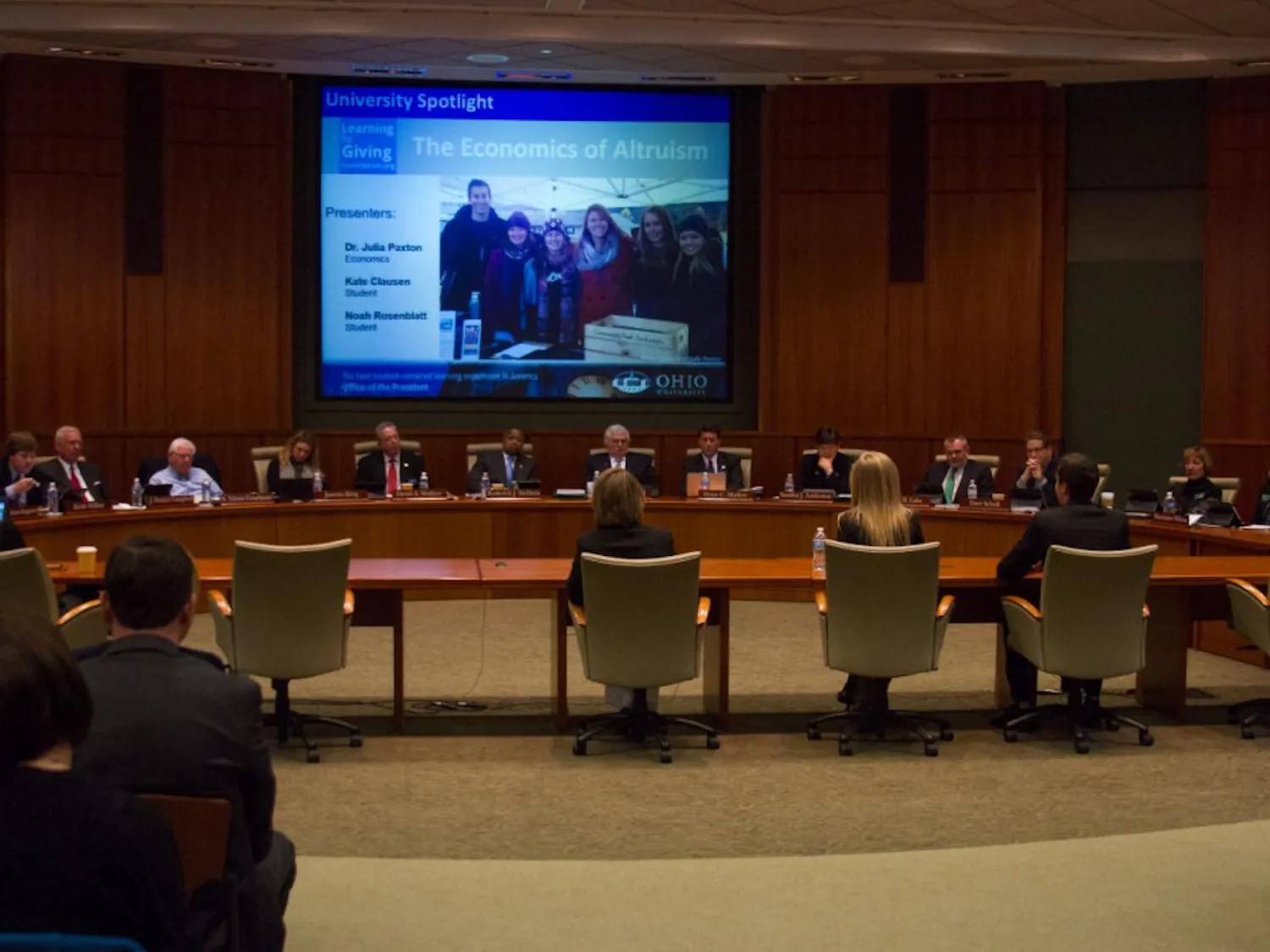
The Ohio University Board of Trustees approved tuition rates for continuing and guaranteed tuition students for the 2015-16 academic year.

Quentin Poling, a redshirt freshman linebacker for the Bobcats, was arrested and charged Sunday morning by the Athens Police Department after an altercation outside of Courtside Pizza.
Grant Stover addresses environmental concerns of gas pipeline

Carl Smith, President of Graduate Student Senate, responds to the Board of Trustee's vote on tuition increase

I am writing to commend and applaud those students who have raised their voices against the escalating costs of tuition in recent days and hope that others quickly join their ranks on campus. I also want to express my shock at the size of the uniformed police presence I witnessed when I walked by the protest at midday on Friday.These Ohio University students are right to object to the increasingly prohibitive costs of a college education and to do what they can locally to question their necessity. It is undoubtedly the case that public universities, and not just Ohio University, behave more and more like corporations than academic communities all the time and that their leaders behave more like CEOs, chasing the dollars of wealthy donors through victories in football and basketball and seeking to boost executive compensation to unprecedented levels, all to the detriment of the core academic mission. On our campuses, we are seeing the same rising levels of inequality that we witness in society at large.While it is crucial for students to continue to pressure our administration to reduce needless expenditures, in the end, doing so is only the tip of the iceberg. The fundamental reason why Ohio University raises tuition annually is because of what has happened over the last twenty years in Columbus. The political right has engaged in a gradual de-investment in public education and other public services that is part of a larger strategy to privatize higher education and transform what was once considered a public good into a consumer good. A college education has been transformed into a credentialing process, viewed by many as fulfilling no purpose beyond increasing the individual’s potential income. When I started teaching at Ohio University almost 19 years ago, fully half of the University’s support came from the state of Ohio, an amount that has plummeted to less than 30 percent today and will likely continue to fall dramatically without a change in Columbus. Meanwhile, the costs of educating students have not gone away. The University has, not surprisingly, passed the cost of this lost public investment onto students and their families. In addition to rising tuition, students now also bear a heavy burden in paying back loans, the interest on which increases the profits of the financial sector (those who profit of this system, not coincidentally, contribute heavily to political campaigns).As The Post reported on Friday (“Students March,” January 23), students are right to identify this as an issue of “class war.” So, if they want to fight back, I’m afraid local protests are only going to be marginally effective at best. Students can only hope to see any real and significant change when they forge connections with students at other public universities, take their march to Columbus, and take their frustration and energy back to their hometowns across Ohio where they need to raise their voices in those local political conversations.Joseph McLaughlin is an Associate Professor of English at Ohio University and the former Chair of Faculty Senate, where he served on the Budget Planning Council.
Protests stifled the on-campus Board of Trustees meeting last week as the governing body of Ohio University voted to approve a 2 percent tuition hike for continuing students and a 5.1 percent increase for incoming freshmen.Certainly no one enjoys having to spend more for the same product — students included — and protesters let decision makers know just how displeased they are upon entering the meeting Friday. The Board’s response, which was to walk out of the meeting until “order” was restored, was a poor move to say the least. (Three students were arrested during that time.)Trustees shouldn’t forget that those protesters are the very students they serve.Administrators, students and trustees must show an increased willingness to engage in a meaningful discussion on tuition, and the trustees’ choice to remove themselves from a situation that makes them uncomfortable is counterproductive.Although the university continues to take steps to better connect with students, there’s always room for improvement. Administrators, students and trustees alike would be better served if tuition decisions were better explained to the student body.One way to accomplish this would be to email students easy-to-read reports (or Buzzfeed-esque “listicles,” perhaps?) detailing how the additional funds would be used.A more healthy dialogue could limit the amount of backlash against Board members and administrators, and could be helpful for students who are trying to understand how their money is being spent. In the end, it’s a win-win for all parties involved.Editorials represent the majority opinion of The Post's executive editors: editor-in-chief Jim Ryan, managing editor Sara Jerde, opinion editor Xander Zellner and projects editor Allan Smith. Post editorials are independent of the publication's news coverage.
If you paid attention to CES this year, a global consumer electronics trade show that takes place in Las Vegas at the beginning of every January, you’d know that 3D printing took the center stage.

Maurice Ndour dunks home a game-winner over Buffalo to give the Bobcats their second win in MAC.
Cody Walters’ pin and 5 straight wins propels Ohio a 21-16 victory over the Huskies.
Interviews with Aaron Ekblad, Tyler Sequin, Ryan Getzlaf, Zemgus Girgensons, Ryan Johansen and Nick Foligno about the 2015 NHL All-Star weekend taking place at Nationwide Arena in Columbus, Ohio.

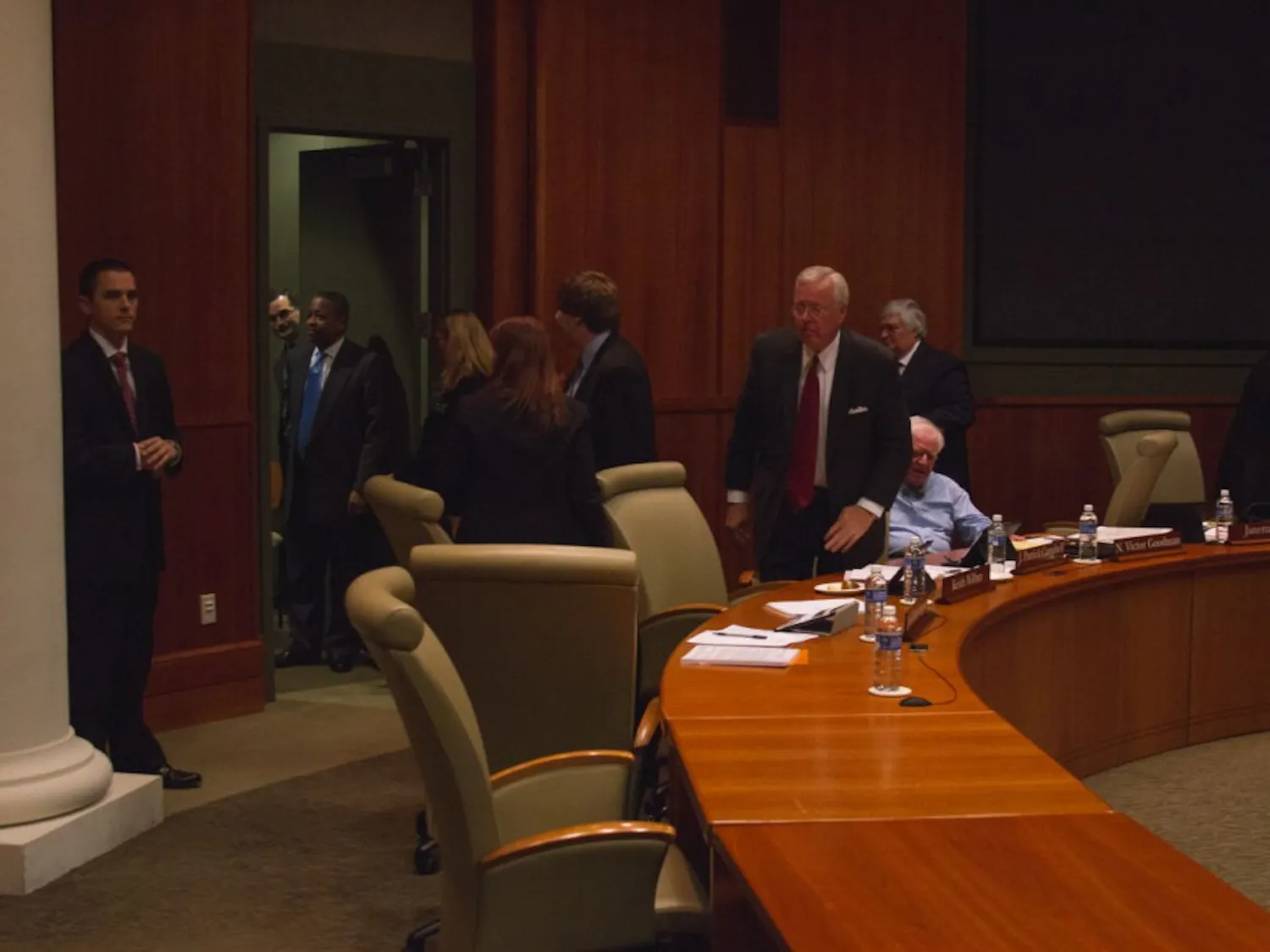
The Board approved tuition increases Friday amid protests from students.

Nelsonville Music Festival rolls out its second round of artist announcements.
 Solutions by The State News