

For nearly 100 years, the Rufus that runs around at football games was one of the few bobcats in Ohio.
Perhaps it was unregulated hunting, or maybe the destruction of the bobcat’s habitat that led the species, Rufus lynx, to be nearly eliminated in Ohio until about 50 years ago.
Since then, Ohio University’s exiled mascot seems to be making a comeback in the Buckeye State.
Until 1970, bobcat sightings were rare in Ohio but recent data from the Ohio Department of Natural Resources Division of Wildlife show the member of the cat family is clawing its way back.
The department uses verified sightings — animals seen as road kill, photographed or incidentally trapped — to judge the number of bobcats in the state, according to a report from the department.
Since 1970, about 95 percent of the verified bobcat sightings have occurred between 2000 and 2010, with more than 106 sightings in 2010.
Bobcats are still classified as an endangered species in Ohio, despite average increases of nearly 20 percent per year in the past 20 years, according to the report.
Suzanne Prange, a wildlife research biologist at the Waterloo Wildlife Research Station, estimates there to be between 750 and 1000 bobcats in Ohio.
Prange attributes the bobcat’s demise to deforestation that destroyed the carnivore’s habitat when settlers came to the area.
“People perceived them as a threat so they were killed,” Prange said. “Back then people perceived all predators as threats.”
Although bobcats have killed animals as big as a young deer, they are not a threat to humans, pets, or livestock, she said.
Bobcats, which typically weigh up to 40 pounds, tend to stay away from residential areas and are a very “secretive species.”
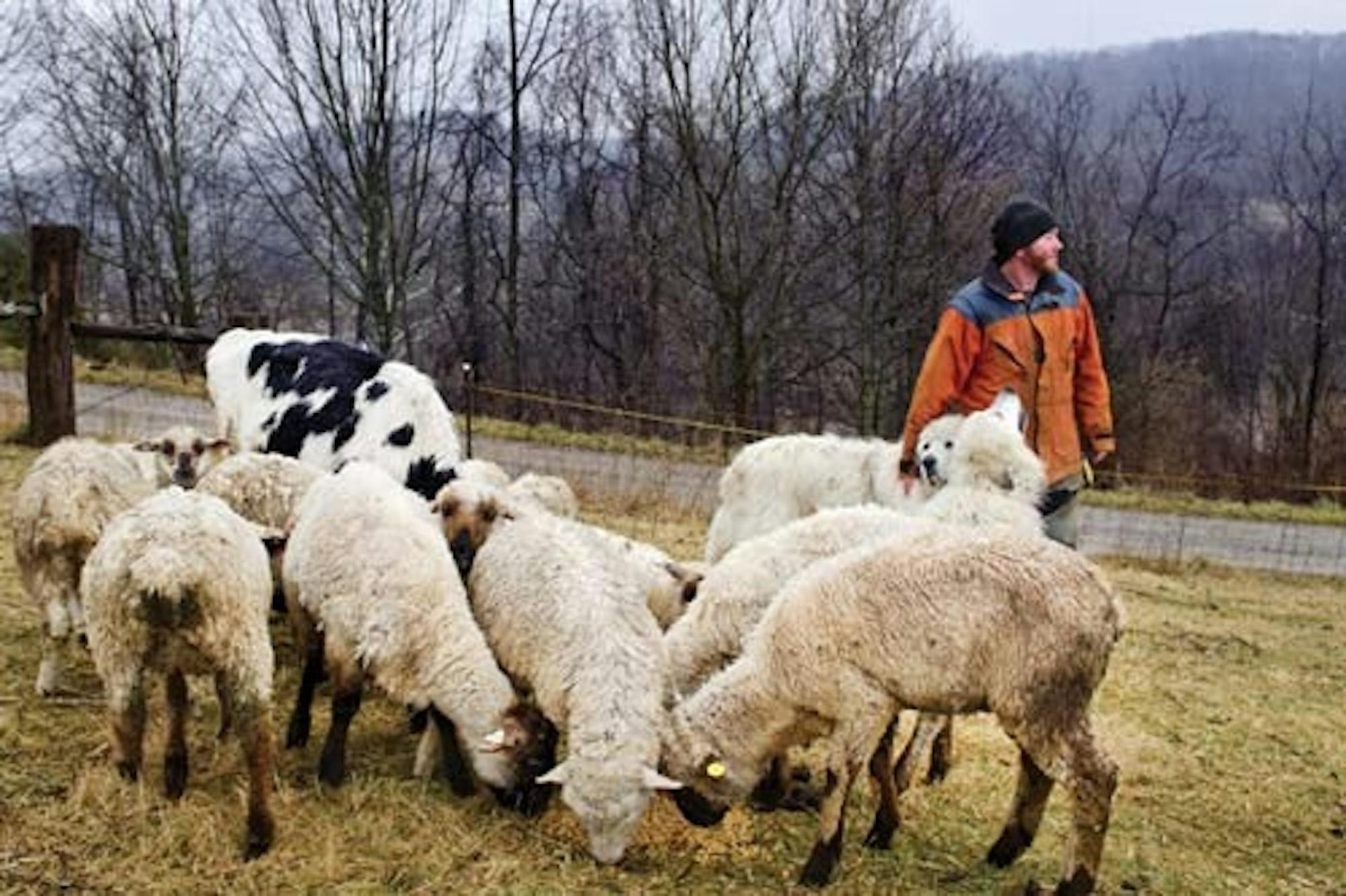
Matt Starline, a farmer in Athens County with about 30 sheep, said though he has never had a sheep eaten, an increase of bobcats could be a threat.
“If there were more bobcats near my sheep, they would be a threat,” Starline said.
The majority of sightings have occurred northeast of Athens in Noble County, according to the ODNR data.
“Right now our concern is the population is clumped in the Noble County region.” Prange said. “We would like to see it spread out a little more.”
Bears have a similar history, Prange said. Although there are not many bears in the Southeast Ohio region and their population naturally grows more slowly, they are coming back for similar reasons.
“Animals will come back when given the chance to live in their native habitat,” Prague said.
ld311710@ohiou.edu


