Thought of as where magic often happens in filmmaking, the editing room is where the film comes to life. Beyond this, it’s also where a film can be saved, ruined or even find its message or focus.
Mariana Quiroga, a 2007 OU School of Film alumna, can now finally speak of the wonders of editing. She edited her first film, The Second Death, which has been selected for the World Film Festival in Montreal. The festival is one of the oldest and is considered one of the most prestigious in the world.
“It’s a great venue to reach a North American audience,” Quiroga said. “Hopefully it will get into more film festivals around the world and it will be sold to more territories. So far, it’s been awesome.”
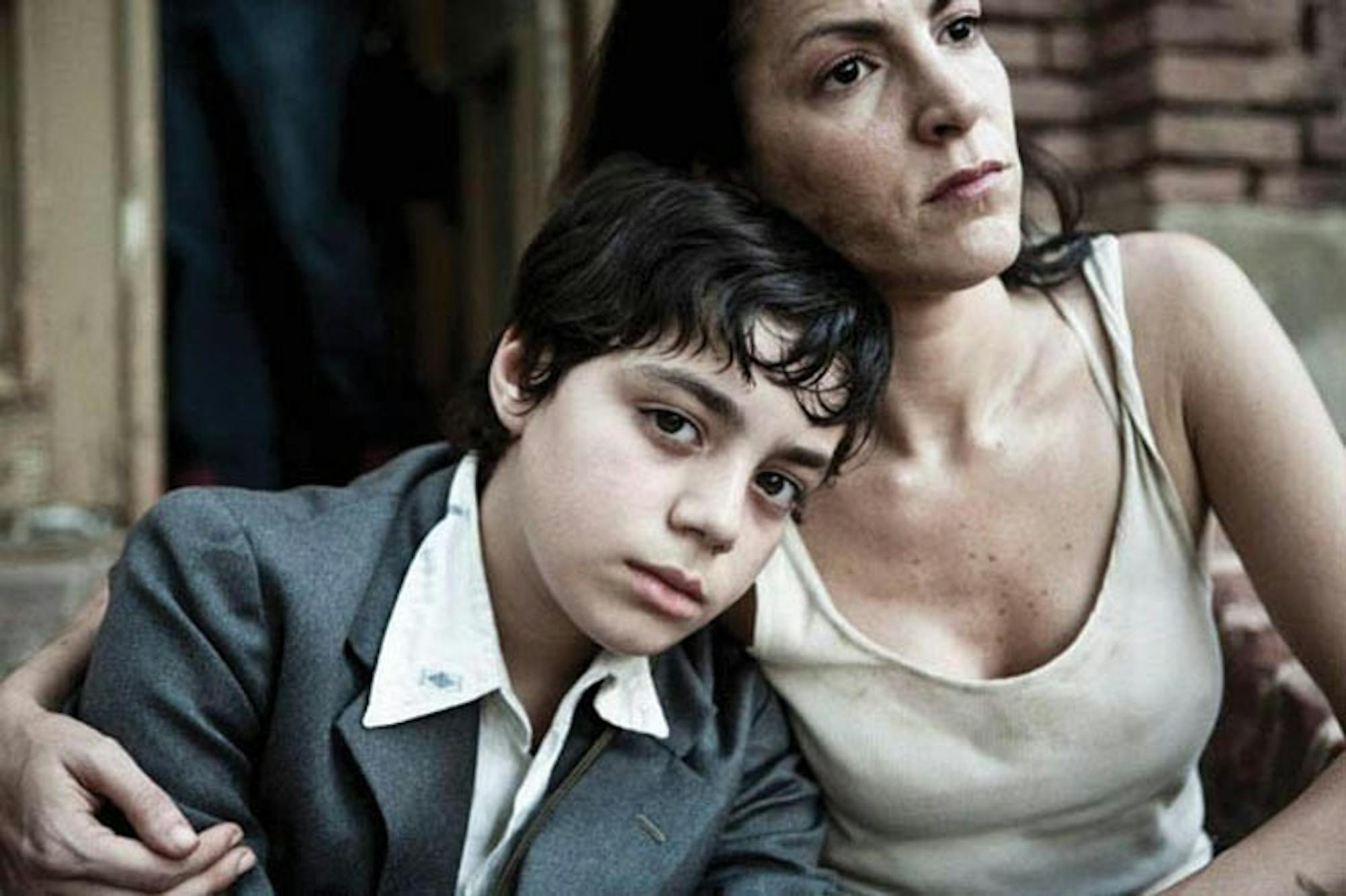
An Argentinian film, The Second Death is a horror story about a policewoman in a small village who is guided in a recent death by a newly-arrived clairvoyantly gifted boy who claims the murderer was the Virgin Mary.
“This kind of film is really difficult to edit because you have to achieve certain atmospheres and you have to follow some specific genre codes to make the film believable,” Quiroga said. “But at the same time, you don’t want to be just formulaic. It’s a fine line between following some genre rules but also being original.”
Before this, the film was also screened in the Puchon International Fantastic Film Festival in Korea. Additionally, the film will be in the L’Etrange Festival in France and the Sitges Film Festival in Spain.
“Being selected for an international film festival is always an honor and pleasure,” writer and director Santiago Fernandez Calvete said. “An honor because it means that a jury of filmmakers have appreciated your work, and a pleasure because it gives you the chance to show your work and watch other people’s work.”
Due to the political and economic culture of filmmaking in Argentina, movies are not as successful as they can be here, so the film’s success has a lot of impact, said Dario Sabina, the film’s director of photography.
“I’m really glad that a film like this, a genre film, is being accepted in the World Film Festival,” he said. “I’m glad because it is not a political film or a film that talks about poverty and how bad life is down here. Don’t misunderstand me, I really care about those items in my life, but I’m a little bit tired of Argentinian cinema only being tied with those themes.”
Above all else, the director believes the film’s success was found through his crew’s talent, dedication and persistence, particularly Quiroga’s.
“It was a real challenge to make this kind of film in Argentina, both technically and narratively,” Calvete said. “But when you’re surrounded by the correct professionals, you can do anything.”
wa054010@ohiou.edu